How to Optimize European Rail Transport for Global Buyers?

European Rail Transport plays a crucial role in modern logistics and trade. As the world increasingly focuses on sustainability, its importance grows. Experts like Dr. Clara Jensen, a leading analyst in rail systems, emphasize, "Efficient rail transport is key to reducing carbon emissions and improving global trade flow." This perspective highlights the need for optimization.

In the competitive landscape of global buyers, the European rail system must adapt. Streamlining operations can significantly enhance service quality and reliability. Current challenges include outdated infrastructure and varying regulations among countries. For instance, delays can result from different signaling systems or loading standards. Addressing these issues requires careful consideration and innovative solutions.

Furthermore, enhancing collaboration among stakeholders is essential. Manufacturers, suppliers, and logistics companies must align their strategies. This collective effort can identify barriers and drive improvements. However, the quest for optimization should not overlook the need for flexibility. The dynamic nature of global markets demands that European Rail Transport remains adaptable and resilient.
How to Optimize European Rail Transport for Global Buyers?

Understanding the Importance of Efficient Rail Transport in Europe

Efficient rail transport in Europe is crucial for global buyers. The continent's railway network connects major cities and ports. This connectivity enhances trade routes. It allows businesses to move goods quickly across borders. However, there are challenges. Delays sometimes occur due to outdated infrastructure. Maintenance issues can disrupt schedules, impacting reliability.

Investing in modernizing rail systems is essential. Improvements can reduce inefficiencies. Technologies like real-time tracking could enhance transparency. Global buyers depend on timely deliveries. The economic implications of delays can be significant. Each minute counts in today’s fast-paced market. Failing to optimize these systems means losing competitive advantage.

Clear logistics strategies are vital for overcoming obstacles. Partnerships among rail operators, freight companies, and governments can help. Collaborative efforts can streamline processes. Yet, some may resist change, fearing disruptions. Embracing innovation is necessary to adapt. Continuous improvement will ensure that European rail transport remains a viable option for global buyers.

How to Optimize European Rail Transport for Global Buyers?

Transport Dimension Current Status Optimization Opportunities Potential Benefits
Logistics Efficiency Moderate Implementing advanced tracking systems Reduced delays
Cargo Capacity High Using larger freight cars Increased volume of goods transported
Transit Time Lengthy Optimizing schedules and routes Faster delivery times
Environmental Impact Significant Adopting greener technologies Reduced carbon emissions
Customer Satisfaction Variable Improving service reliability Higher repeat business

Key Challenges Faced by Global Buyers in European Rail Logistics

Global buyers face several challenges in European rail logistics. One significant hurdle is navigating the complex regulatory landscape. Each country has different rules, which can confuse international shippers. Delays often arise from differing customs procedures. Understanding these regulations is vital for smooth transit.

Another issue is the reliability of schedules. Trains can be late or cancelled due to weather or technical failures. Buyers need to have contingency plans. They should consider alternative transport methods when delays occur. This can lead to increased costs and impact supply chains.

Communication barriers also present a challenge. Language differences can create misunderstandings between buyers and logistics companies. Clear communication is essential for efficient operations. Engaging local experts can help bridge gaps and ensure accurate information exchange. This approach can enhance the overall logistics experience.

Challenges Faced by Global Buyers in European Rail Logistics

Strategies for Enhancing Rail Connectivity Across European Nations

How to Optimize European Rail Transport for Global Buyers?

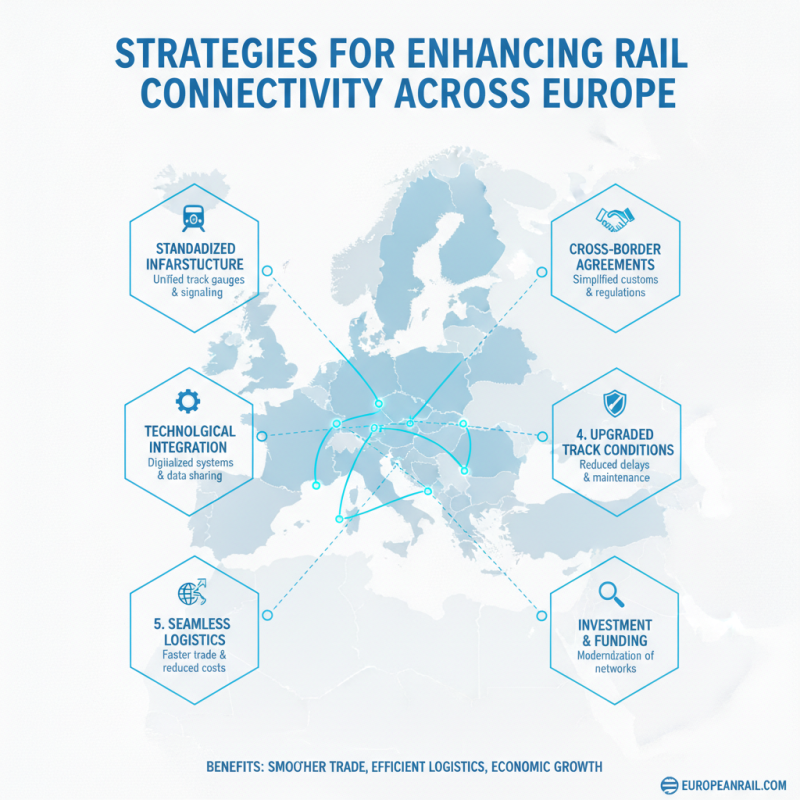
Rail connectivity across Europe remains a crucial issue for global buyers. Improving this connectivity can facilitate smoother trade and logistics. It is essential to address the varying standards of rail infrastructure across nations. Uneven track conditions can delay shipments, increasing costs for businesses.

Collaboration between countries can foster better connections. Joint projects can create unified standards for rail systems. This would enhance efficiency and reliability. Additionally, investing in digital technologies can streamline operations. Data-sharing platforms could provide real-time updates on cargo status. Such innovations reduce uncertainty for global buyers.

However, challenges persist. Political differences may hinder collaboration efforts. Each nation has unique priorities, making unified goals difficult. Fostering a culture of cooperation is vital. Regular dialogues among stakeholders can bridge gaps. The focus must be on mutual benefits to drive progress. Addressing these complexities is necessary for optimal rail transport across Europe.

Leveraging Technology to Improve Rail Freight Efficiency

The European rail freight sector faces challenges in efficiency and reliability. By leveraging technology, stakeholders can enhance these crucial areas. As per a recent report by the International Rail Transport Council, rail freight can reduce carbon emissions by up to 60% compared to road transport. This environmental benefit is appealing to global buyers seeking sustainable logistics.

Adopting advanced technology such as AI and IoT can streamline operations. Real-time tracking can significantly cut down delays and improve transparency, allowing buyers to plan better. Automated systems could also optimize cargo load, providing savings in costs and space. A considerable portion of rail transport delays, about 30%, is attributed to manual processes. This indicates room for improvement that technology can address.

Tips: Test various tracking solutions. Monitor improvements in delivery times. Regularly assess your technology needs. Adapting to rapid advancements can create a more resilient rail network. The reliance on outdated systems could hinder progress, so it's essential to stay proactive. This ongoing evolution is vital for meeting the expectations of global buyers.

Sustainable Practices in European Rail Transport for Global Accessibility

How to Optimize European Rail Transport for Global Buyers?

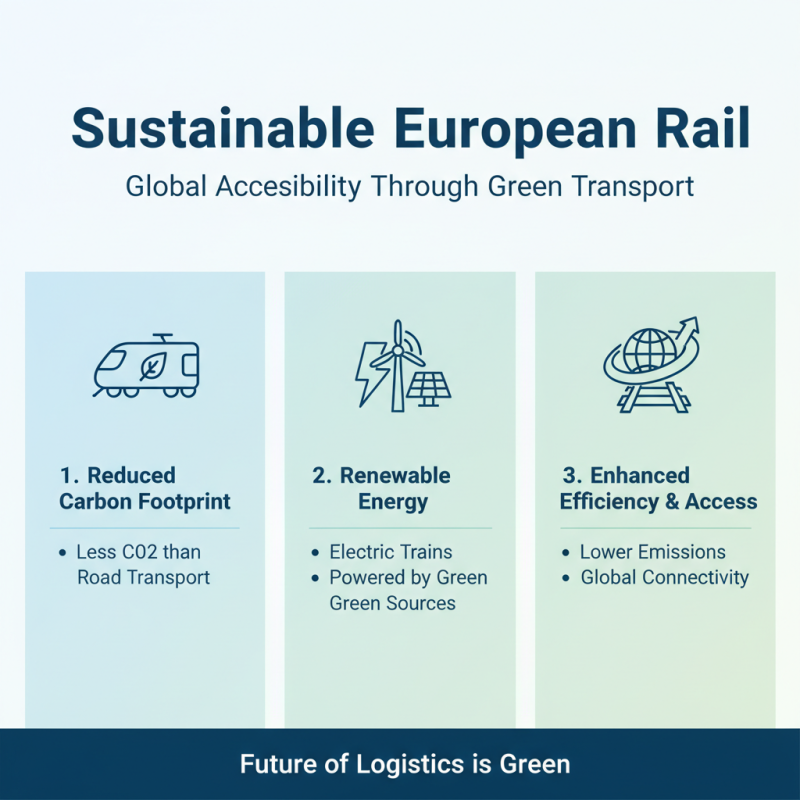
European rail transport is a vital component of the continent's logistics network. Emphasizing sustainable practices is crucial for global accessibility. Rail networks in Europe can significantly reduce carbon footprints compared to road transport. Transitioning to electric trains powered by renewable energy sources can lead to lower emissions and enhanced efficiency.

Tips for optimizing rail transport include implementing energy-efficient technologies. Use smart scheduling to minimize energy consumption and improve service reliability. Regular maintenance of trains and tracks can also enhance performance and safety. Encouraging intermodal transport can streamline freight processes, making it easier for global buyers to access goods.

Sustainability in rail transport involves commitment beyond technology. Engaging local communities in planning can ensure new routes serve everyone. Businesses in the rail sector must prioritize transparency in their sustainability practices. While progress is being made, ongoing assessments are necessary to identify areas for improvement. Investing in greener solutions is essential for staying competitive and meeting global demands.