Top 10 Railway Freight Services in China for Global Sourcing?
In the rapidly evolving world of global trade, the significance of efficient logistics cannot be overstated. Railway freight has emerged as a crucial component in the supply chain, offering an alternative to traditional shipping methods. It combines speed with cost-effectiveness, making it an attractive choice for businesses looking to optimize their sourcing strategies. China’s extensive rail network connects key cities and industrial hubs, providing diverse options for transporting goods.
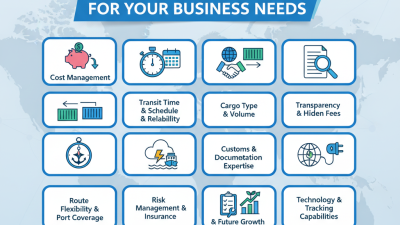
However, selecting the right railway freight service can be daunting. With numerous providers vying for attention, businesses must evaluate their specific needs. Factors such as delivery speed, cost, and reliability need careful consideration. While some services promise quick delivery, others may lack consistency and oversight. Companies must navigate this landscape thoughtfully to ensure their logistics partners align with their operational goals.
The demand for railway freight in China reflects ongoing economic trends. As globalization continues to shape supply chains, companies face both opportunities and challenges. Balancing quality service with competitive rates is essential for success. Railway freight services must adapt to changing market conditions while maintaining high standards. In this context, exploring the top railway freight services becomes imperative for those seeking reliable solutions for global sourcing.

Overview of Railway Freight Services in China
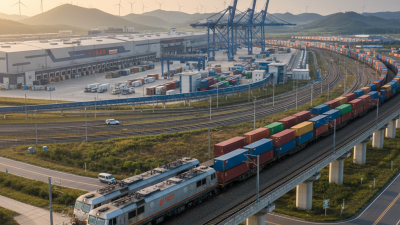
Railway freight services in China play a crucial role in global sourcing. The country's extensive railway network is among the largest in the world, encompassing over 77,000 kilometers of track. This vast system connects major industrial hubs and ports, providing efficient transportation for goods. According to the China Association of Railway Transport, the rail freight volume reached over 3.5 billion tons in 2022, demonstrating its capacity and reliability.
However, challenges persist in this sector. While railway freight is generally cost-effective, delays can occur due to various factors such as infrastructure constraints and seasonal demand fluctuations. In 2022, delays were reported to affect around 10% of freight shipments, reflecting an area for improvement. Additionally, despite the growth in rail freight, many logistics companies still rely heavily on road transport, which can limit the potential benefits of rail.
The government has invested significantly in expanding and modernizing rail infrastructure. Yet, the integration of technology in tracking and managing shipments remains inconsistent across regions. A study by the International Railway Journal indicates that over 20% of shippers find real-time tracking inadequate. Addressing these drawbacks could enhance the overall efficiency of railway services in China, making them a strong contender for global sourcing needs.
Key Factors Driving Railway Freight Transportation
Railway freight transportation in China is experiencing significant growth. According to a recent report by the Ministry of Transport, railway cargo volume reached over 4.5 billion tons in 2022. This growth underscores the importance of railway services in global sourcing. Key factors influencing this surge include efficiency, cost-effectiveness, and environmental impact.
Efficiency is paramount in logistics. Trains can carry large volumes over long distances, making them suitable for bulk goods. They often minimize transit times compared to road transport. A study shows that rail transport can cut delivery times by up to 30%.
Cost-effectiveness also drives businesses toward railway options. Transporting goods via rail often incurs lower costs per ton compared to road and air transport. With rising fuel prices, many companies are reevaluating their logistics strategies. Environmental concerns additionally bolster rail's appeal. Trains emit significantly less CO2 compared to trucks, aligning with global sustainability goals.
Tips: Consider the distance and cargo type when choosing freight methods. Evaluate your company’s shipping needs regularly. Always keep an eye on changing regulations and technologies that could impact costs and efficiency. Understanding these factors can enhance your sourcing strategy, ensuring smoother operations.
Top 10 Railway Freight Services for Global Sourcing
When considering railway freight services for global sourcing in China, several factors come into play. These services provide a cost-effective and efficient means of transporting goods across vast distances. They connect major industrial cities like Guangzhou, Shanghai, and Beijing with international markets. The advantage of rail is its reliability, often unaffected by road congestion or weather disruptions.
Many companies rely heavily on these services to maintain steady inventory levels. However, challenges exist. The quality of service can vary greatly between regions. Some routes may experience delays due to infrastructure issues or customs processing. Additionally, understanding the process is critical for timely shipments. Communication with logistics providers is essential in identifying potential bottlenecks.
Sourcing globally requires meticulous planning and execution. Finding the right railway service can make a significant difference. Stakeholders must assess not only pricing but also transit times and service reliability. Balancing these factors is crucial for successful supply chain management. While railway services in China offer promising capabilities, continuous evaluation is vital for optimizing the sourcing process.
Comparative Analysis of Service Offerings and Pricing
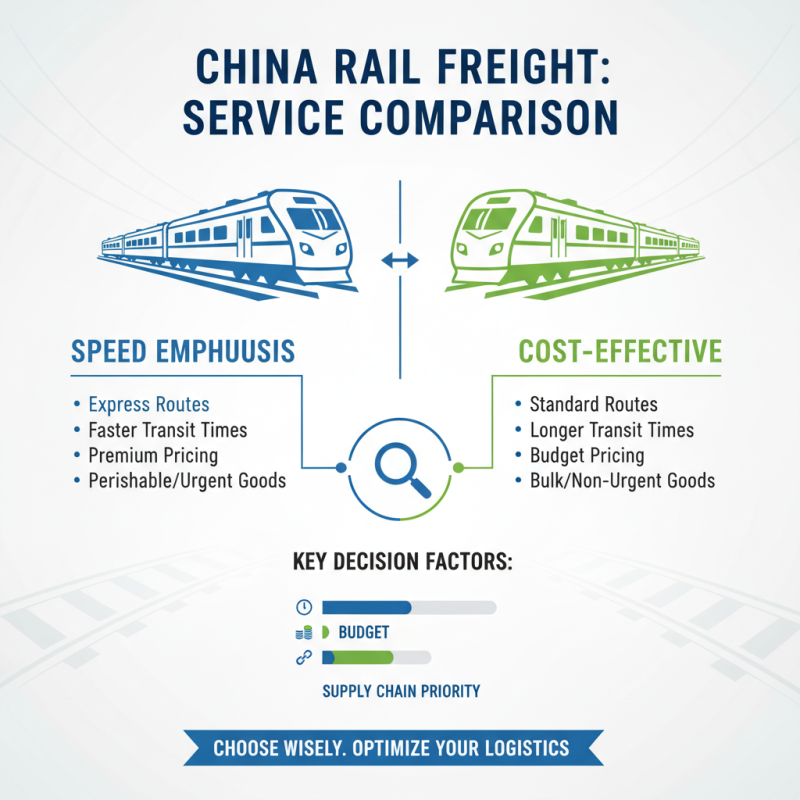
When choosing railway freight services in China, it's essential to compare offerings and pricing effectively. Different companies provide various options. Some focus on speed, while others prioritize cost-effectiveness. This divergence can greatly impact your supply chain decisions.
Pricing often reflects additional services. For instance, some providers charge extra for insurance or fast transit times. If your shipment is time-sensitive, the higher rate may be justified. However, for non-urgent freight, a budget-friendly option is wise. Always request quotes from multiple services. This ensures you understand what you get for your investment.
**Tip:** Look closely at the service level agreements. Ensure they meet your expectations. Transparency is vital. Small print can hide significant details that affect costs and services.
**Tip:** Analyze customer feedback. Real experiences provide insight into reliability and efficiency. Engaging with reviews can reveal patterns in service quality, helping you make informed choices.
Future Trends in China's Railway Freight Services
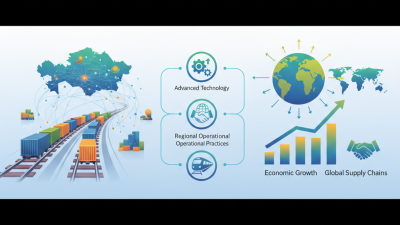
China's railway freight services are evolving rapidly. As global sourcing intensifies, efficiency becomes critical. The focus is shifting towards advanced technologies, like AI and IoT, for better tracking and scheduling. These tools enhance reliability in shipment timelines.
Sustainability is another pivotal trend. Rail transport is inherently more eco-friendly compared to road or air freight. As companies face increasing pressure to meet environmental standards, greener options are gaining popularity. Still, challenges remain. Infrastructure upgrades are needed to support expanded capacity and speed.
Customer expectations continue to rise. Companies demand real-time updates and greater transparency. This pushes freight services to refine their processes. Investing in staff training and operational protocols ensures a competent workforce. However, technology implementation is not without challenges. Not all regions have equal access to optimal resources, which can hinder overall progress.
Top 10 Railway Freight Services in China for Global Sourcing
| Service Rank |
Transport Distance (km) |
Average Transit Time (days) |
Frequency of Service |
Load Capacity (tons) |
Destinations Served |
Cost (USD per ton) |
| 1 |
2000 |
10 |
Weekly |
1000 |
Europe, Asia |
300 |
| 2 |
1500 |
12 |
Bi-weekly |
800 |
Southeast Asia |
350 |
| 3 |
2500 |
15 |
Monthly |
1200 |
Middle East |
400 |
| 4 |
1800 |
10 |
Weekly |
900 |
North America |
330 |
| 5 |
2200 |
14 |
Twice a month |
850 |
South America |
360 |
| 6 |
3000 |
18 |
Monthly |
700 |
Africa |
450 |
| 7 |
1600 |
9 |
Weekly |
1200 |
EU, Asia |
310 |
| 8 |
2750 |
17 |
Bi-weekly |
500 |
Asia, Africa |
420 |
| 9 |
2300 |
16 |
Monthly |
900 |
North America |
370 |
| 10 |
2100 |
13 |
Twice a month |
1100 |
Europe, Middle East |
390 |