10 Essential Tips for Choosing Sea Freight for Your Business Needs?
In recent years, the sea freight industry has become a vital component for global trade. According to the International Maritime Organization, approximately 80% of global trade by volume relies on shipping. This statistic underscores the significance of making informed decisions when selecting sea freight services. Businesses must recognize the impact of shipping costs, delivery times, and service reliability on their overall operations.
Choosing the right sea freight option is not just about cost. Many factors contribute to efficiency and effectiveness. Companies should be aware of unexpected delays, such as port congestion and weather disruptions. Such issues can derail even the most carefully planned logistics. Additionally, service providers may not always have transparent pricing structures, which can lead to unanticipated expenses. To navigate this complex landscape, businesses must understand the essential tips for selecting the best sea freight solutions tailored to their needs.
Moreover, with the rise of e-commerce, companies are seeking flexible shipping options. A report from the World Trade Organization states that sea freight is essential for handling the increasing volume of goods. As businesses adapt to these changes, it's crucial to strategically evaluate their sea freight choices for sustainable growth.
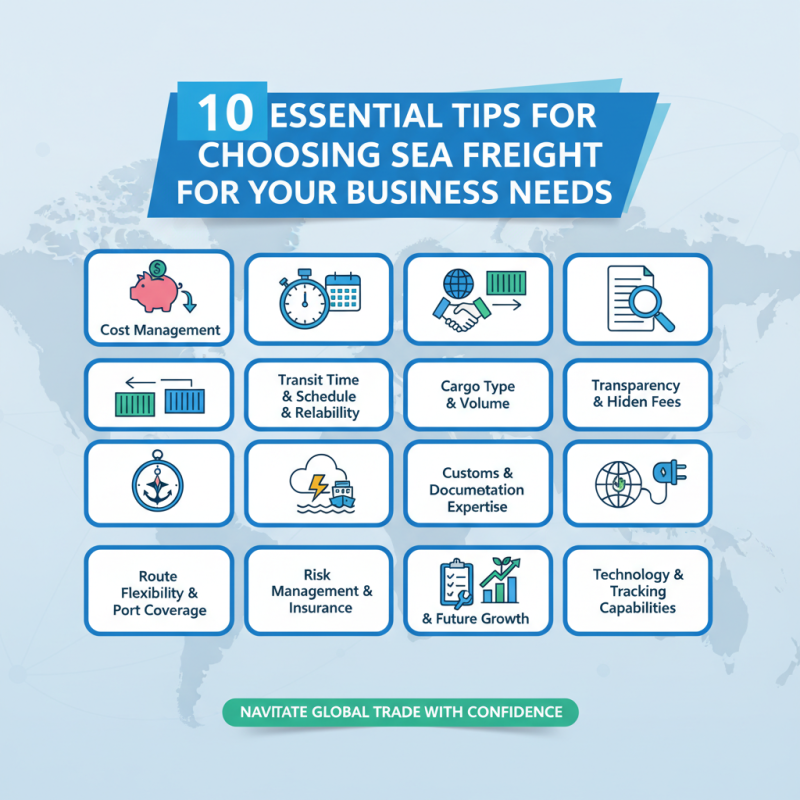
Understanding Your Business Shipping Requirements
When choosing sea freight for your business needs, understanding shipping requirements is crucial. Begin with the type of goods you plan to transport. Are they fragile, bulky, or perishable? These aspects will dictate how you package and label your cargo. Additionally, consider the volume and weight of your shipments. This information is vital for accurate cost estimation and selecting the right shipping method.
Another essential factor is delivery timelines. Are your shipments time-sensitive? If so, you might need to explore expedited sea freight options. However, this could increase costs significantly. Evaluate your budget against the urgency of your shipments to make informed decisions. Also, think about the destination. Some ports may experience delays, impacting your overall schedule. Understanding these variables can help you avoid unexpected setbacks.
Lastly, remember that communication with your freight forwarder is key. Provide them with all necessary documentation and details upfront. Late submissions can lead to additional charges and delays. It's crucial to reflect on your processes regularly. Flexibility and adaptability can improve your shipping efficiency in the long run.
Evaluating Different Sea Freight Options Available
When evaluating different sea freight options, it’s crucial to consider the specific needs of your business. Reliability plays a vital role. Look for carriers with a proven track record in on-time deliveries. Check reviews and testimonials to gauge their performance. Transparency in pricing is also important. Hidden fees can significantly impact your budget.
Consider the type of cargo you’re shipping. Perishable goods require faster transit times, while bulky items may be fine with slower services. Different carriers may specialize in certain types of freight. This specialization can enhance safety and reduce risk. However, not every carrier can meet every need. It’s wise to assess your own requirements carefully.
Insurance options are another vital factor. Many companies overlook this until it’s too late. Ensure the carrier offers adequate coverage for potential losses. Evaluate the terms and conditions closely. This analysis can save you from unforeseen costs later on. Don't forget to inquire about support services with the carrier. Having reliable customer service is key for resolving issues that may arise during transit.
10 Essential Tips for Choosing Sea Freight for Your Business Needs
| Option |
Cost (per ton) |
Transit Time |
Container Type |
Load Capacity (tons) |
| Full Container Load (FCL) |
$1,200 |
25 days |
Standard 20 ft |
22 |
| Less than Container Load (LCL) |
$450 |
30 days |
Shared Container |
3-4 |
| Reefer (Refrigerated Cargo) |
$1,800 |
28 days |
Reefer 40 ft |
28 |
| Flat Rack |
$1,500 |
35 days |
Flat Rack 40 ft |
29 |
Analyzing Costs: Comparing Quotes from Freight Forwarders
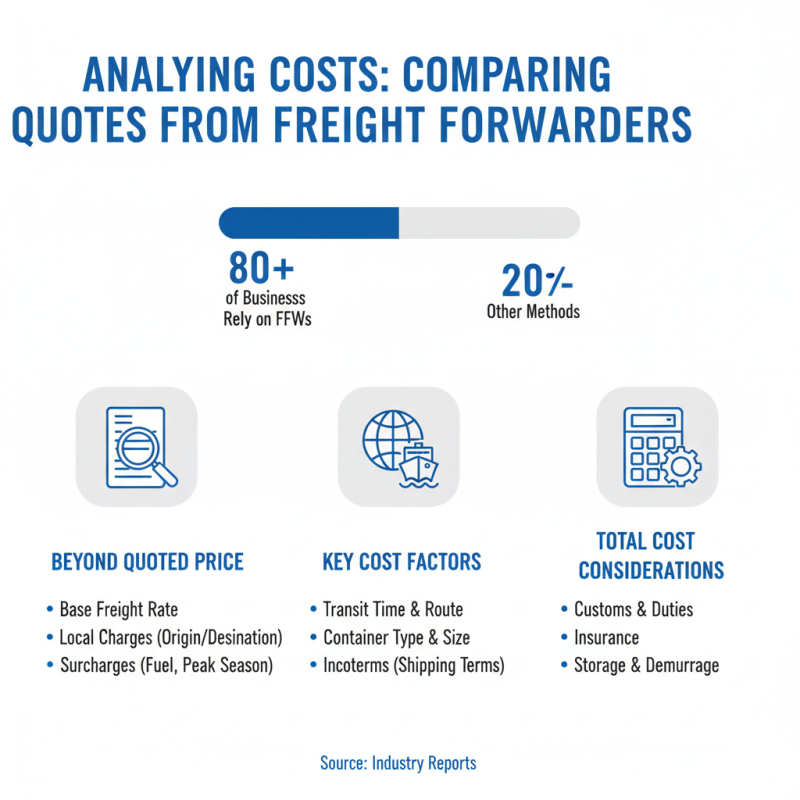
When analyzing costs for sea freight, comparing quotes from different freight forwarders is crucial. According to industry reports, over 80% of businesses rely on freight forwarders for logistics. However, understanding the total cost is not straightforward. There are multiple factors to consider beyond just the quoted price.
First, look for hidden fees. Many forwarders may provide a low initial quote but add charges for documentation, customs clearance, or insurance later on. It's essential to itemize quotes and ask detailed questions. A study by the International Freight Forwarders Association highlights that companies can save up to 30% by fully understanding these costs before choosing a service.
Additionally, evaluate the transit time and reliability. A cheaper quote might not deliver as quickly. Various reports indicate that timely delivery can significantly impact a business's reputation. Consider asking for references or reviews from past clients. These insights can help you gauge the reliability of a provider.
Balancing cost and service quality is key in freight forwarding. An ill-calculated decision may lead to delays or unexpected charges. Always reflect on the long-term implications of choosing the right freight forwarder, rather than just the immediate costs.
Checking Delivery Times and Reliability of Shipping Lines
When choosing sea freight for your business, checking delivery times and reliability of shipping lines is crucial. Industry reports indicate a 55% increase in demand for reliable shipping solutions in recent years. Businesses need to prioritize shipping lines with proven delivery track records. Neglecting this can lead to delays that impact customer satisfaction.
A good shipping line should meet your delivery timeline needs. Look for lines that consistently provide accurate ETAs, with less than 10% deviation from their promised schedules. Factors such as port congestion and weather patterns can affect delivery times, so keep those in mind. Research shows that inadequate delivery performance can result in a loss of up to 30% in revenue for affected businesses.
Consider the customer reviews. Shipping lines with high ratings generally indicate reliability. A line with fewer complaints can be a safer bet. Additionally, ask for case studies that highlight their performance with similar cargo. This can offer deeper insights into their operations. When in doubt, it’s wise to have a backup shipping line ready. Flexibility can mitigate potential disruptions in your supply chain.
Delivery Times and Reliability of Shipping Lines for Sea Freight
Assessing Documentation and Customs Clearance Procedures
When transporting goods via sea freight, it’s crucial to focus on documentation and customs clearance. Proper documentation ensures your shipment moves smoothly. Missing or incorrect paperwork can lead to delays and extra costs. Essential documents include the bill of lading, commercial invoice, and packing list. Each serves a specific purpose in preventing misunderstandings during transit.
Customs clearance procedures vary by country. Understanding local regulations is vital. Missteps can lead to fines or cargo being held up. It’s wise to work with a freight forwarder who knows these details. They can guide you through tariffs and duties applicable to your goods.
Being meticulous in your documentation process can save you time and trouble. Review your paperwork before shipment. Even small errors can cause significant delays. Clear communication with your freight partner is essential. Consider where there might be room for improvement in your documentation practices. This reflection can help streamline future shipments.