Top 10 Sea Freight Providers for Global Sourcing Needs?
Navigating the complex world of global sourcing requires a reliable connection to efficient shipping methods. Sea freight plays a pivotal role in this process. It offers a cost-effective solution for transporting large volumes of goods across the globe. Businesses often face challenges in choosing the right sea freight provider.
Understanding the top sea freight providers can make a significant difference. Each company has unique strengths. Some specialize in specific routes, while others focus on customer service. Evaluating these providers based on their performance is crucial for a successful logistics strategy.
Selecting the best sea freight provider involves careful consideration. Costs, transit times, and service levels vary. Businesses must identify their unique needs and align them with a provider's offerings. This approach can enhance operational efficiency and foster long-term partnerships. The right choice in sea freight can result in smoother operations, but it requires diligence and informed decision-making.
Overview of Sea Freight in Global Sourcing
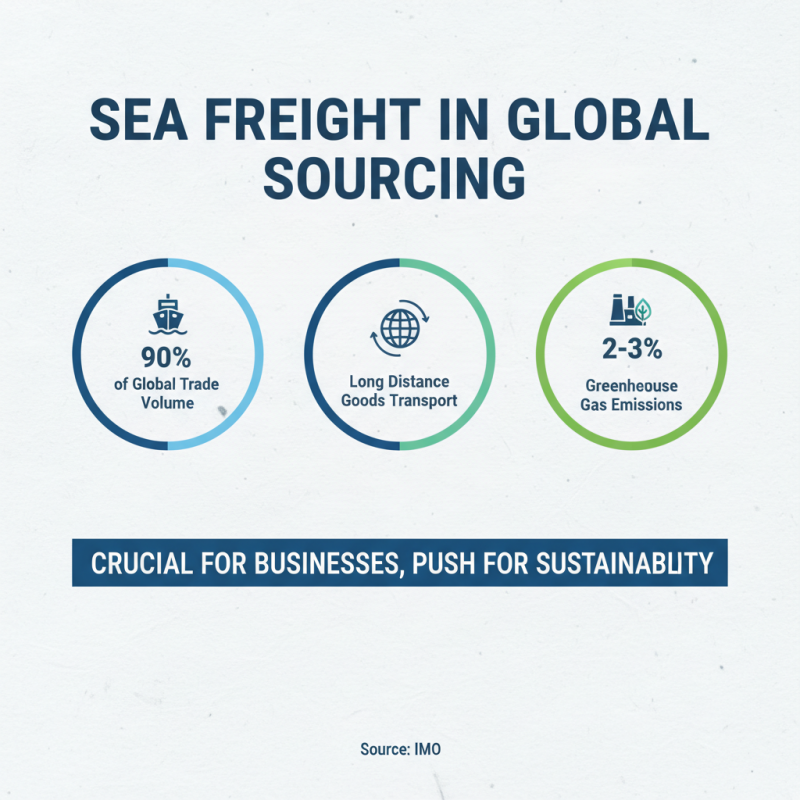
Sea freight plays a crucial role in global sourcing. It accounts for 90% of worldwide trade by volume. Businesses rely on it for transporting goods over long distances. The International Maritime Organization (IMO) states that shipping emissions make up about 2-3% of global greenhouse gases. This emphasizes the need for more sustainable practices in the industry.
Efficiency is key when choosing a sea freight provider. According to a report by the World Bank, sea freight costs can vary significantly. Factors include shipping routes, container sizes, and fuel prices. Companies must evaluate these aspects to optimize logistics operations. Some providers are adopting digital solutions to enhance visibility and communication. However, the digital transformation in this sector is not flawless. System integration issues can lead to delays and miscommunications.
Challenges in sea freight logistics are also noteworthy. Port congestion remains a significant hurdle. The Global Shipping Index noted that port delays increased shipping costs by 10-15% in the past year. Such disruptions affect delivery timelines and can lead to lost sales. Companies must develop contingency plans. Monitoring trends in sea freight can improve sourcing strategies and mitigate risks.
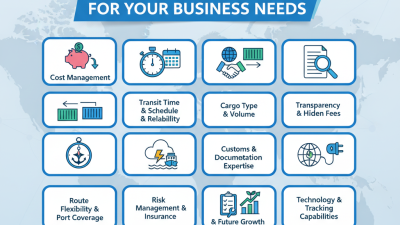
Key Criteria for Selecting Sea Freight Providers
Selecting a sea freight provider is crucial for effective global sourcing. Key criteria include reliability, cost, and coverage. According to industry reports, around 30% of delays in supply chains are due to unreliable shipping partners. Businesses must assess the provider’s track record on timeliness and damage rates. Providers with a history of on-time deliveries offer a competitive advantage.
Cost is another vital factor. Freight rates can fluctuate due to market dynamics. A 2022 report highlighted that ocean freight rates increased by 20% year-on-year, emphasizing the need for budget considerations. Companies should request detailed quotes and avoid hidden fees. This transparency aids better financial planning.
Coverage matters significantly as well. A provider that operates in multiple regions can enhance supply chain flexibility. The logistics landscape is shifting, and innovative providers adapt quickly. However, focusing solely on price could lead to compromises on service quality. This balance is crucial for long-term partnerships and operational success. Providing detailed criteria can clarify the selection process.
Top 10 Sea Freight Providers and Their Unique Offerings
When it comes to global sourcing, choosing the right sea freight provider is essential. These companies offer various unique services tailored to different needs. Some specialize in standardized shipping solutions, delivering reliability for high-volume shipments. Others provide customized options, catering to specific cargo types or routes. This flexibility allows businesses to optimize their supply chains effectively.
Cost efficiency is another critical offering among sea freight providers. Many companies leverage economies of scale to reduce shipping rates. Some utilize technology, providing real-time tracking and enhanced visibility for shipments. Yet, not all providers are equally transparent with fees, leading to possible unexpected costs for businesses. Researching providers is vital to avoid hidden charges that could impact your budget.
Sustainability has become increasingly important in the shipping industry. Several sea freight companies are adopting greener practices, aiming to reduce their carbon footprint. However, the implementation of these initiatives often varies significantly among providers. Some only adopt minimal changes, while others commit to substantial environmental goals. Evaluating the depth of a company’s sustainability efforts can reveal their long-term viability.
Comparative Analysis of Pricing and Services
When choosing a sea freight provider, pricing and service quality are critical factors. A comparative analysis reveals that not all providers offer the same value. According to recent industry reports, the average cost per TEU has fluctuated significantly over the past year, ranging from $1,200 to $2,500. This substantial variance can impact budget planning for global sourcing.
Service reliability must also be weighed. Some providers boast on-time delivery rates exceeding 95%. However, others struggle to maintain similar standards, with delays occurring nearly 20% of the time for certain routes. Companies must scrutinize these statistics when selecting partners for their logistics needs.
Tips: Always consider the hidden costs, such as customs fees and surcharges. Verify the freight provider’s performance metrics. Quality is as crucial as cost. A cheaper option may lead to delays, affecting your supply chain negatively. Establish clear communication channels with potential providers to align expectations effectively.
Future Trends in Sea Freight for Global Supply Chains
In the evolving landscape of global supply chains, sea freight remains pivotal. As companies increasingly focus on sustainability, the adoption of eco-friendly shipping practices will shape future trends. According to a recent report by the International Maritime Organization, the shipping industry aims to halve emissions by 2030, pushing for greener technologies and operational efficiency.
Digitalization is another key trend. Many logistics providers are adopting advanced technologies like AI and blockchain. These innovations enhance transparency and tracking capabilities in the supply chain. Reports show that companies using AI can improve operational efficiency by up to 30%. Embracing these technologies is essential for staying competitive.
Tips: To navigate future challenges, invest in data analytics. It can reveal insights and predict disruptions. Collaboration with logistics partners will also be crucial. Building strong relationships can foster resilience. Finally, review your supply chain regularly. Adaptability can mitigate unforeseen risks. Focus on continuous improvement for long-term success.