2026 Top Overseas Transport Solutions for Global Buyers?
Global trade continues to expand, making efficient overseas transport solutions essential for businesses. As we approach 2026, buyers are exploring diverse options to enhance their supply chains. The right transport solutions can reduce costs and improve delivery times. Challenges persist, as logistics experts stress the importance of reliability.
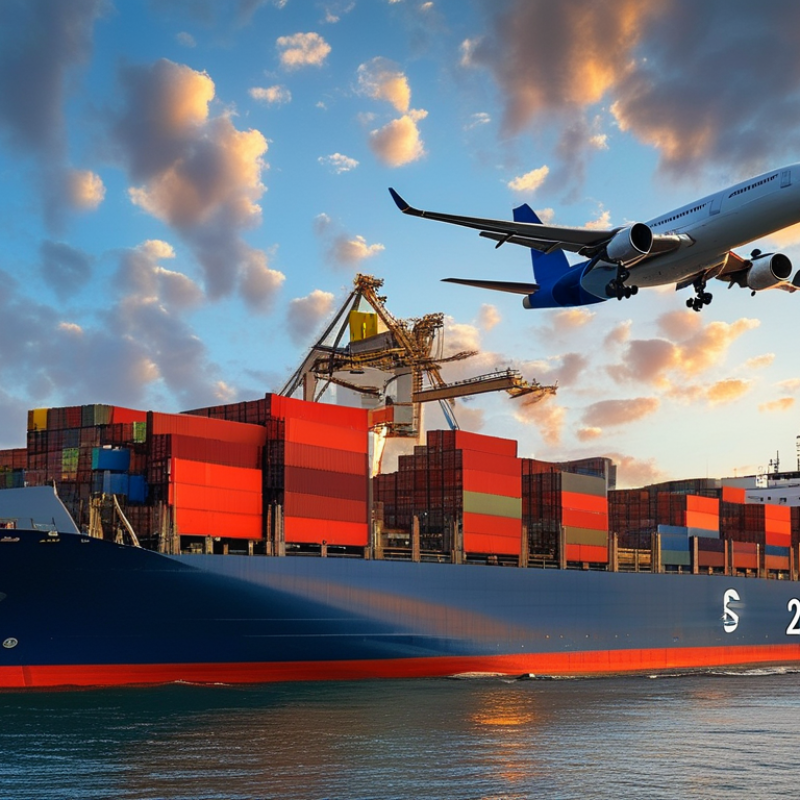
In 2026, buyers will encounter an array of overseas transport methods. Air freight, ocean shipping, and rail transport all have unique benefits. Each option varies in cost and speed. Understanding these differences is crucial. Many buyers still struggle with choosing the best transport methods. Experienced professionals suggest assessing global trends and customer needs.
Navigating overseas transport involves more than just selecting carriers. It requires comprehensive planning and risk management. Businesses must adapt to evolving regulations and market demands. The pursuit of efficiency often reveals gaps in existing strategies. Buyers must reflect on their current practices and stay informed about innovative solutions. Ultimately, informed decisions enhance competitiveness in the global market.
2026 Global Transport Solutions: Overview of Key Market Trends
As global trade continues to evolve, transport solutions are increasingly vital. The 2026 transport landscape is expected to shift dramatically, driven by technology and sustainability. More companies are incorporating green logistics into their supply chains. This trend emphasizes reducing carbon footprints while maintaining efficiency.
Tips: Explore carriers that prioritize sustainable practices. Look for those investing in electric vehicles or renewable energy sources. Evaluate how their innovations can benefit your operations.
Collaboration is another key focus. Partnerships between shipping companies and tech firms are on the rise. These alliances aim to enhance tracking and transparency in the logistics process. Real-time updates are becoming essential for maintaining customer satisfaction.
Tips: Utilize platforms offering integrated tracking solutions. Keep your clients informed about their shipments. This can boost loyalty and trust.
Finally, adaptability remains crucial. Economic uncertainties may impact transport routes and costs. Companies must be ready to pivot quickly to new challenges. Being reactive can make the difference in a competitive market.
Tips: Regularly review your transport strategies. Engage with logistics experts to stay ahead of market trends. This will ensure your business remains resilient in 2026 and beyond.
Impact of E-commerce Growth on Overseas Transport Solutions
The rise of e-commerce has dramatically reshaped the landscape of overseas transport solutions. As online shopping continues to surge, logistics providers are adapting to meet increasing demands. Fast and reliable shipping is no longer optional; it’s a necessity. Cross-border deliveries are now expected to be quick and cost-effective, pushing transport companies to innovate and optimize their operations.
To keep pace with this growth, businesses should consider these tips: streamline communication with logistics partners. Clear dialogue reduces errors and enhances efficiency. Additionally, investing in technology can provide real-time tracking. This transparency builds customer trust and satisfaction.
However, the rapid evolution brings challenges. Not all solutions scale effectively. As companies grow, outdated methods might become evident. Continual assessment of transport strategies is essential to avoid potential pitfalls. Flexibility and adaptability should be part of your logistics planning. The international market is dynamic, and companies must be prepared to pivot when necessary.
Comparative Analysis of Major Transport Modes: Sea, Air, and Land
In the competitive landscape of global logistics, choosing the right transport mode is crucial. For international shipments, sea, air, and land transport each present unique advantages and challenges. According to the International Transport Forum, maritime shipping accounts for approximately 80% of global trade by volume. However, this method can be slow, often taking weeks due to port congestion and customs delays.
Air freight offers a quicker alternative. Air transport is ideal for high-value or time-sensitive goods. The World Air Transport Association notes that air freight is growing at an annual rate of 4.2%. Yet, the cost remains a significant barrier, with prices typically 4-6 times higher than sea freight. Businesses must balance speed and cost when selecting this mode.
Land transport, while versatile, often faces hurdles such as infrastructure quality and regulatory complexities. In some regions, inadequate road networks can delay shipments, while regions with stricter regulations can complicate processes. Additionally, fuel prices heavily impact land transport pricing. Making informed decisions requires weighing these operational challenges against logistical needs.
Innovative Technologies Revolutionizing Global Logistics in 2026
In 2026, innovative technologies are reshaping global logistics, enhancing efficiency and sustainability. According to a report by the Global Logistics Association, 75% of logistics companies are adopting automation. Robotics and AI are streamlining warehouse operations, reducing labor costs by up to 20%. This shift is not just about saving money; it’s about responding to consumer demands for speed and reliability.
Sustainability is at the forefront of transport solutions. Electric vehicles and alternative fuels are gaining traction. The International Transport Union notes that green logistics could reduce carbon emissions in freight transport by 60% by 2030. However, not all solutions are perfect. Implementing these technologies requires significant investment and poses challenges such as infrastructure readiness and workforce training. Companies need to evaluate their readiness to adapt and innovate.
Blockchain technology is another transformative tool, enhancing transparency in the supply chain. A study from Supply Chain Review suggests that 30% of executives believe blockchain can eliminate fraud. Yet, the complexity of integration remains a concern for many organizations. As logistics evolve, the balance between innovation and practicality is crucial for global buyers navigating this rapidly changing landscape.
2026 Top Overseas Transport Solutions for Global Buyers
This bar chart illustrates the projected growth in various innovative technologies revolutionizing global logistics by 2026. The data reflects the estimated percentage increase in deployment across key transport solutions.
Regulatory and Environmental Considerations for Overseas Transport Solutions
In the evolving landscape of global trade, regulatory and environmental considerations are critical for overseas transport solutions. According to the International Transport Forum, international freight transport accounts for approximately 7% of global CO2 emissions. As environmental impact gains prominence, compliance with stricter regulations becomes essential. Regulations often vary by region, complicating logistics for global buyers. Adapting to these changes requires an understanding of local laws and international guidelines.
The European Union's Green Deal exemplifies a proactive approach that aims to cut transport emissions by 90% by 2050. This ambitious target poses a challenge for companies. They must invest in cleaner technologies and reconsider their logistics strategies. The shift towards sustainability may increase initial costs. However, it can lead to long-term benefits, such as enhanced supply chain resilience. Finding balance is key, as some companies might struggle to keep up with innovations while maintaining profitability.
Environmental certifications are becoming a standard requirement. Buyers are more inclined to partner with firms that prioritize sustainability. The challenge lies in transparency. Not all companies can accurately report their environmental impact. This situation raises questions about accountability and trust in global trade. A careful evaluation of a company's transport solutions will become crucial for buyers looking to make informed decisions.