Overseas Transport Tips for Global Buyers to Save Costs
Navigating the world of international commerce can be daunting, especially when it comes to Overseas Transport. For global buyers, understanding the complexities of cross-border shipping is essential to reduce costs. Effective transport strategies can make a significant difference in overall expenses.
Anxiety about unforeseen fees or delays can hinder decision-making. Familiarizing yourself with local customs and shipping regulations is crucial. Knowledge of the right shipping options can lead to substantial savings. It is easy to overlook small details that add up in cost, such as packaging or insurance. So, it pays to plan meticulously.
Moreover, being aware of transportation challenges can lead to better negotiations with suppliers. Mistakes in shipping can lead to disappointment and unexpected charges. Reflecting on past shipping experiences can help create a more streamlined process. In the world of Overseas Transport, every decision counts. Thoughtful consideration will help buyers navigate smoothly and efficiently.

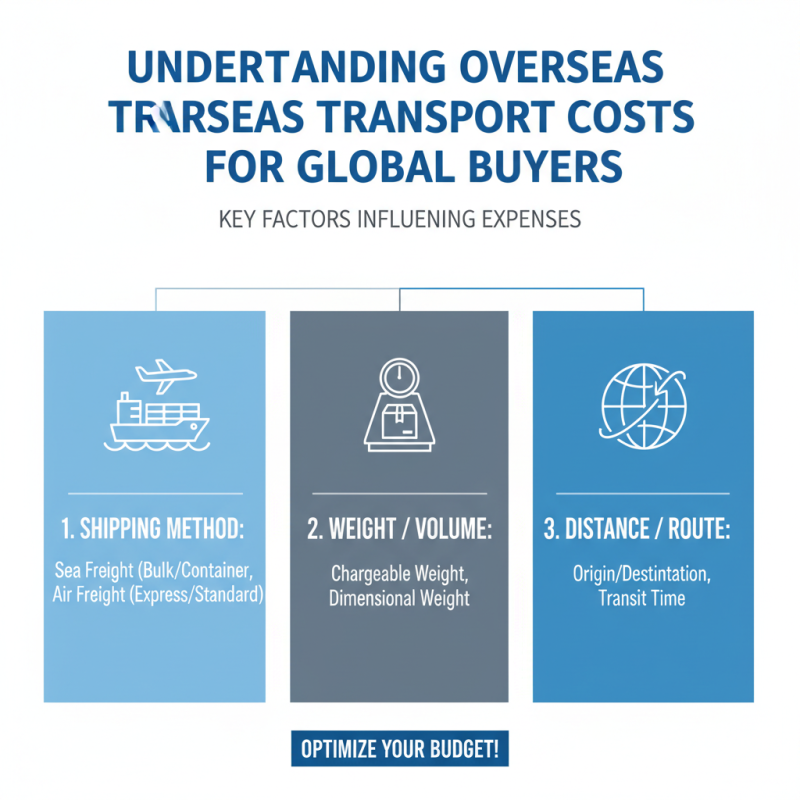
Understanding Overseas Transport Costs for Global Buyers
Understanding overseas transport costs can be daunting for global buyers. Various factors influence these expenses, including shipping methods, weight, and distance. Each element can significantly impact your final budget.
One key tip is to compare different shipping options. Air freight is faster but more expensive. Sea freight, on the other hand, is cost-effective for bulk shipments. Consider the urgency and volume of your goods when choosing.
It's also essential to account for hidden costs. Duties, taxes, and insurance can add up quickly. These charges might not be evident at first glance. Therefore, always conduct thorough research to ensure you understand the total cost of transport.
Engaging with freight forwarders can provide valuable insights. They possess expertise in navigating shipping complexities. Their guidance can help you make informed choices, potentially saving you money in the long run.
Evaluating Shipping Options: Sea, Air, and Land Freight
When evaluating shipping options, global buyers face several choices: sea, air, and land freight. Each mode has its own strengths and weaknesses that can significantly impact costs and delivery times. Sea freight is often the most economical choice for bulky items. However, it usually takes longer than both air and land transport. For businesses looking to save costs, understanding the trade-off between time and price is crucial.
Air freight is faster but typically more expensive. If quick delivery is required, this option makes sense despite the higher fee. Land freight can be a reliable middle ground for shipments within the same continent. It offers a good balance between speed and cost, especially for lighter loads.
Buyers should also consider the environmental impact of their choices. Shipping by sea generates lower carbon emissions compared to air freight. However, delays can happen with any option. It's important to factor in potential customs issues and local regulations. Not every shipping method is perfect, and each situation may require a different approach. Adjusting shipping strategies based on actual experiences can lead to better decision-making in the future.
Shipping Cost Comparison for Global Buyers
Utilizing Freight Forwarders for Cost-Effective Solutions
When navigating the complexities of international shipping, freight forwarders can be your best allies. They specialize in logistics and can streamline your shipping processes. By leveraging their expertise, global buyers can achieve significant cost savings.
One vital tip is to choose the right freight forwarder. Research their credentials and experience. A reliable partner will understand local regulations and provide tailored solutions. Open communication is key. Always clarify expectations regarding timelines and costs. This ensures you avoid unexpected fees.
Utilizing technology can also enhance your shipping efficiency. Many freight forwarders offer online tracking tools. This allows you to monitor shipments in real-time. Moreover, review your shipping routes periodically. This can reveal potential cost-saving opportunities. Sometimes, a different port or a less popular route can lower expenses.
Finally, always ask for feedback. Reflect on past shipments to identify areas for improvement. Every shipment offers lessons. Embrace them, as they will help refine your shipping strategy.
Overseas Transport Tips for Global Buyers to Save Costs
| Aspect |
Details |
Cost-Saving Tips |
| Freight Forwarders |
Utilizing experienced freight forwarders can simplify logistics. |
Negotiate rates based on volume shipments. |
| Shipping Method |
Choosing the right shipping method impacts overall costs. |
Consider combining air and sea freight for flexibility. |
| Consolidation |
Consolidating shipments can lead to better rates. |
Coordinate with suppliers for bulk shipping. |
| Customs Clearance |
Issues with customs can delay shipments and increase costs. |
Ensure all documentation is accurate and complete. |
| Insurance |
Insurance protects against loss or damage during transit. |
Evaluate the cost of insurance against potential losses. |
Packaging and Labeling Tips to Minimize Shipping Expenses
When it comes to shipping goods internationally, packaging plays a major role in reducing costs. Choosing the right materials can help prevent damage during transit. Use durable boxes that can withstand rough handling. Cushion fragile items with bubble wrap or biodegradable packing peanuts. This ensures your products arrive safely, minimizing potential losses.
Labeling is equally important. Clear labels help avoid delays at customs. Include all necessary details like the sender's address, recipient's address, and a detailed item description. A well-labeled package speeds up processing and reduces storage costs. Be cautious with language; use simple, clear terms that can be easily understood by customs officials.
Reflect on your packing techniques regularly. Assess whether you’re using the most cost-effective materials. Sometimes, the cheapest option may result in additional costs from damages. Additionally, revisit your labeling practice to ensure it meets the latest regulations. Small adjustments can lead to significant savings.
Navigating Customs Regulations to Avoid Unexpected Fees
Navigating customs regulations is crucial for global buyers aiming to save costs. Unexpected fees can easily arise from improper documentation or miscommunication. To minimize risks, understanding customs rules in your destination country is essential. Research the necessary paperwork before shipment. Accurate documentation prevents delays and additional costs.
One key tip is to classify your goods correctly. Misclassified items may incur higher tax rates or added penalties. Familiarize yourself with the Harmonized System codes relevant to your products. This knowledge can help you avoid mistakes. Always check for any exemptions or duty-free limits applicable to your goods.
Additionally, consider using a customs broker. They possess the expertise to guide you through complex regulations. A broker can streamline your process and help avoid unforeseen charges. Building a relationship with a trustworthy broker can save you time and money in the long run. Always review their credentials to ensure reliability.