Overseas Transport Tips for Smooth Global Procurement流程吗?
In today’s interconnected world, efficient Overseas Transport is vital for successful global procurement. Businesses often face challenges like delays, cost fluctuations, and regulatory issues in international shipping. An understanding of these hurdles can significantly improve logistics processes, ensuring products reach their destination smoothly.
Planning is crucial when engaging in Overseas Transport. Mistakes in documentation or shipping routes can lead to costly setbacks. Companies must educate themselves on customs regulations and local practices. Each country has unique requirements that can complicate transportation efforts. Being aware of these details can streamline operations and minimize risks.
Real-world experiences highlight the importance of flexibility in Overseas Transport. Despite careful planning, unexpected events can arise. Weather disruptions or political tensions may impact shipping schedules. Businesses should develop contingency plans to adapt quickly to such changes. Reflecting on past challenges can guide future decisions, ultimately enhancing global procurement efficiency.

Understanding Global Procurement and Its Importance
Global procurement is essential for businesses seeking to expand their reach. It involves sourcing goods and services from international suppliers. This process can drive efficiency and cost reductions. However, understanding it fully is crucial for success.
Effective procurement starts with clear objectives. Companies need to identify their needs and potential suppliers. Strong communication is vital. Misunderstandings can lead to delays and added costs. Establishing timelines and budgets helps refine the procurement process. Companies often overlook these details, leading to unexpected challenges.
Navigating international regulations adds complexity to procurement. Businesses must stay informed about customs, tariffs, and import/export rules. These factors can impact the overall timeline and budget. It is easy to underestimate their importance. Mistakes here can result in costly setbacks. Overall, honing a robust global procurement strategy requires attentiveness and adaptability.
Key Factors Influencing Overseas Transportation in Procurement
Overseas transportation plays a crucial role in global procurement. Several key factors influence its efficiency. Timeliness is paramount; delays can disrupt supply chains significantly. A report by the Council of Supply Chain Management Professionals noted that nearly 80% of companies faced delays last year. Managing shipping times effectively can mitigate these risks.
Another vital factor is customs regulations. Understanding local laws is essential. A lack of compliance can lead to fines or shipment returns. According to a survey by the International Chamber of Commerce, 30% of businesses experienced issues due to unfamiliar customs rules. Companies must invest in training or legal counsel to navigate these challenges.
**Tip:** Always use reliable freight forwarders. They can guide you through complex regulations and ensure smooth logistics. Keep communication channels open with suppliers to prevent misunderstandings.
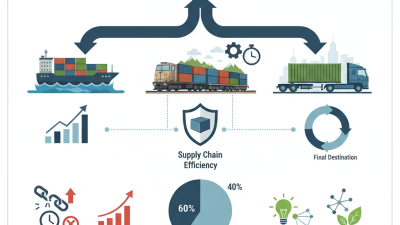
Lastly, consider the choice of transportation mode. Air freight is faster but more expensive, while sea freight is slower but cost-effective. A recent logistics report highlighted that over 60% of businesses opt for sea freight to cut expenses, even if it means longer wait times. Organizations must weigh these options based on their unique needs and market conditions.
Overseas Transport Tips for Smooth Global Procurement
| Key Factor |
Description |
Impact on Procurement |
Recommendations |
| Shipping Methods |
Different options like air, sea, and rail. |
Affects cost, speed, and reliability of delivery. |
Choose the method based on urgency and budget. |
| Customs Regulations |
Understanding import/export laws and duties. |
Can lead to delays and additional costs if not managed. |
Stay updated on regulations for smoother clearance. |
| Supplier Reliability |
Quality and reliability of suppliers can vary. |
Key to ensuring timely deliveries and quality products. |
Evaluate supplier history and performance carefully. |
| Cultural Considerations |
Differences in business practices across regions. |
Can influence negotiation and relationship management. |
Understand cultural nuances to build better partnerships. |
| Freight Insurance |
Protection against loss or damage during transit. |
Mitigates financial risks associated with transportation. |
Invest in adequate insurance coverage for shipments. |
Strategies for Selecting Reliable International Shipping Partners
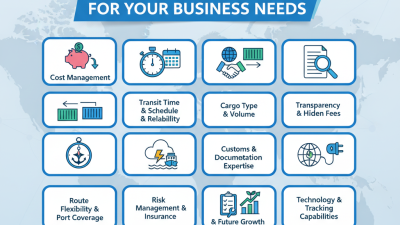
Selecting reliable international shipping partners is crucial for smooth global procurement.
Industry data shows that 70% of procurement failures stem from poor logistics choices.
Understanding this can save businesses time and resources.
When choosing a shipping partner, evaluate their experience.
Look for companies that have been in the industry for over a decade.
This showcases their ability to handle challenges.
A survey by the Freight Transportation Services Index indicates that established partners tend to have better performance records.
Investigate their reviews and customer satisfaction ratings; these insights can reveal their reliability.
Consider the technology they use.
Advanced tracking systems improve transparency.
Companies using such technology report a 15% decrease in delivery delays.
However, not all partners invest in modern tools, leading to complications.
Regular reassessment of your shipping choices is essential.
The landscape of global logistics is always changing, and ongoing reflection can highlight areas for improvement.
Navigating Customs Regulations and Documentation Requirements
Navigating customs regulations can be complex. Each country has its own rules. Understanding these requirements is crucial for smooth global procurement. Missing documentation can delay shipments. It may also lead to additional costs.
Proper documentation is key. Essential papers include commercial invoices, packing lists, and certificates of origin. These documents provide customs officials with vital information. Errors in these documents can result in complications. Double-checking for accuracy is always a good idea.
Be aware of tariffs and duties. Each country has varying rates, impacting your total costs. Researching these aspects might seem tedious, but it pays off. International shipping is often unpredictable. Prepare for potential delays in customs. Anticipating issues can help you adjust your timeline.
Best Practices for Tracking and Managing Global Shipments
Tracking and managing global shipments effectively requires a system that is both reliable and efficient. One key element is choosing the right technology. Many businesses still rely on spreadsheets, which can lead to errors. Instead, consider using a specialized shipment tracking software. These tools provide real-time updates and can reduce the risk of lost shipments or delays.
Communication plays a crucial role in this process. Regular updates with suppliers and logistics providers ensure everyone is on the same page. Unexpected delays can happen. Being proactive about these changes can prevent misunderstandings. Establishing clear lines of communication can make a significant difference in managing expectations.
Monitoring your shipment's journey is essential. Some companies overlook this step, assuming everything is on track. Visualizing the shipment path can highlight potential bottlenecks or issues. Engaging your teams in this process can foster a culture of transparency and accountability. It’s important to learn from past shipments. Analyzing what went wrong in previous orders can help refine your approach moving forward.