Top Logistic Providers in China for Global Buyers?
In today’s global market, selecting the right logistic provider is crucial for success. China stands out as a key player in the logistics industry, offering various services that meet the diverse needs of international buyers. With rapid advancements in technology and transport infrastructure, many logistic providers have emerged, ensuring efficient supply chains.
However, not all providers are created equal. Global buyers must assess a variety of factors before making their choice. Reliability, delivery speed, and cost-effectiveness are just a few aspects to consider. Some logistic providers excel in specific areas, while others may underperform. It’s vital to gather comprehensive information to make informed decisions that align with business objectives.
Additionally, challenges do exist. Overlooking customer support can lead to significant issues down the line. Businesses must engage with providers who prioritize communication and transparency. As you navigate the logistics landscape in China, choose wisely and remain adaptable to changes in the market. Your choice of logistic provider can significantly impact your overall success.

Overview of China's Logistic Industry Landscape
China's logistics industry has seen rapid growth. It serves as a crucial backbone for global trade. The country's diverse transportation methods include air, rail, and sea. This variety caters to different shipping needs. Still, challenges remain.
Infrastructure improvements have been significant. Many cities now have advanced ports and robust road networks. However, congestion remains an issue in major urban areas. Timely deliveries can be affected. Additionally, the logistics sector faces a skilled labor shortage. Training programs are essential.
Regulatory changes have also impacted the industry. Stricter policies are aimed at enhancing service quality. Yet, compliance can be burdensome for smaller firms. Finding reliable partners is vital for international buyers. The evolving landscape poses both opportunities and obstacles. Adapting to these factors is crucial for success.
Key Players in China's Logistics Sector
In the rapidly evolving logistics sector in China, several key players dominate the market.
Companies focus on providing reliable freight and supply chain solutions, ensuring efficiency for global buyers.
According to a report by the China Federation of Logistics and Purchasing, the industry has witnessed a
compound annual growth rate (CAGR) of 7.5% from 2020 to 2025.
This growth highlights the crucial role logistics plays in international trade.
One notable trend is the increasing adoption of technology in logistics operations.
Data-driven decision-making has become essential.
The integration of AI and blockchain can enhance transparency and reduce errors.
However, challenges persist; many companies struggle to fully implement these technologies.
A report by McKinsey indicates that only 20% of logistics firms
have successfully implemented advanced analytics.
Tips: When choosing a logistics provider, assess their technology capabilities.
Ensure they can provide real-time tracking to keep your supply chain transparent.
Also, consider their experience in handling international shipments. Logistics remains a complex field,
with numerous variables at play. Don’t hesitate to ask detailed questions about their
processes and performance metrics.
This approach can lead to better long-term partnerships.
Criteria for Selecting Top Logistic Providers
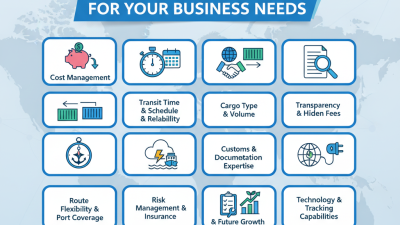
When selecting top logistic providers in China, certain criteria are crucial for global buyers. The logistics industry is increasingly important, driven by e-commerce growth. Transparency in pricing models is vital. Clear communication helps avoid unexpected costs.
Experience in handling international shipments is another key factor. Providers should demonstrate knowledge of customs regulations and international documentation. According to the Logistics Management Report, about 70% of logistics issues stem from miscommunication regarding terms and expectations.
Tips: Always ask for references. Feedback from previous clients can reveal strengths and weaknesses. Consider the provider's technology integration. A strong tech platform can streamline operations and enhance visibility. Choosing a provider that embraces technology can mitigate risks of delays and errors.
Lastly, assess their scalability. The provider should adapt to your business's evolving needs. While many claim flexibility, not all can deliver. Some may lack the necessary infrastructure to handle sudden spikes in demand.
Top Logistic Providers in China for Global Buyers
This chart represents the performance of leading logistics providers in China based on key criteria such as delivery speed, cost efficiency, customer service, and global reach. The data is a composite score derived from various sources assessing the logistics sector.
Global Buyers' Needs and Expectations in Logistics
Global buyers have specific needs when it comes to logistics. They value timely deliveries and efficient communication. Understanding these expectations is crucial for logistics providers in China. Fast shipping times are often non-negotiable for businesses aiming for market competitiveness. Every day counts, especially in e-commerce.
Reliability is another critical factor. Buyers expect logistics partners to provide accurate tracking and updates. This transparency builds trust. However, not all logistics providers meet these standards. Some may struggle with consistency, leading to delays and confusion. This inconsistency can cause frustration for buyers trying to manage supply chains effectively.
Cost is always a concern. Buyers seek value without compromising service quality. They want competitive pricing but also worry about hidden fees. Supply chain complexities add another layer of challenges. As global trade evolves, so do buyers’ expectations. Adapting to these changes while maintaining efficiency and transparency must be a priority for logistics providers.
Top Logistic Providers in China for Global Buyers
| Service Type |
Average Delivery Time |
Cost (per kg) |
Customer Rating |
Coverage Area |
| Air Freight |
3-5 days |
$4.50 |
4.5/5 |
International |
| Sea Freight |
20-30 days |
$1.20 |
4.2/5 |
Global |
| Rail Freight |
10-15 days |
$2.50 |
4.0/5 |
Asia-Europe |
| Courier Services |
1-3 days |
$6.00 |
4.8/5 |
Domestic & International |
| Warehousing |
N/A |
$0.50 |
4.3/5 |
Regional |
Emerging Trends in China's Logistics Market
Emerging trends in China's logistics market reveal a landscape shaped by rapid technological advancements and evolving consumer preferences. The logistics sector is increasingly embracing automation and digitalization. According to a report by McKinsey, approximately 70% of logistics companies are investing in new technologies. This includes automated warehouse systems and smart delivery solutions that enhance efficiency and cut operational costs.
Sustainability is another significant trend. A recent survey showed that 54% of logistics firms prioritize green logistics initiatives. They are focusing on reducing carbon footprints and optimizing transportation routes. This shift meets the growing demand from consumers for eco-friendly practices. However, while many companies aim to implement these strategies, challenges remain in balancing cost and sustainability.
The rise of e-commerce also reshapes logistics dynamics. With online retail in China projected to reach $2 trillion by 2025, logistics networks must adapt. Companies are pressured to provide faster delivery options while ensuring supply chain resilience. Yet, some firms struggle with last-mile delivery issues, which can hinder customer satisfaction. Addressing these challenges requires continuous innovation and collaboration within the industry.