Top 10 China Container Transport Solutions for Global Buyers?
In the realm of global trade, efficient Container Transport is crucial. As experts like James Liu, a renowned consultant in logistics, note, "Effective container solutions can streamline operations and cut costs." For buyers seeking reliable shipping alternatives from China, understanding available options is essential.
Container Transport encompasses various methodologies, from shipping by sea to rail and beyond. Each solution presents distinct advantages and potential challenges. Buyers need to assess their specific needs, such as cost, reliability, and transit time. This assessment can lead to improved decision-making.
China's robust infrastructure supports a wide range of Container Transport solutions. However, complexities remain. Issues such as fluctuating tariffs and supply chain disruptions can impact efficiency. Reflecting on these challenges is vital for buyers aiming to enhance their logistics strategy in a competitive market.
Overview of Container Transport Solutions in China
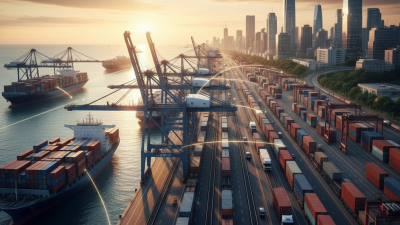
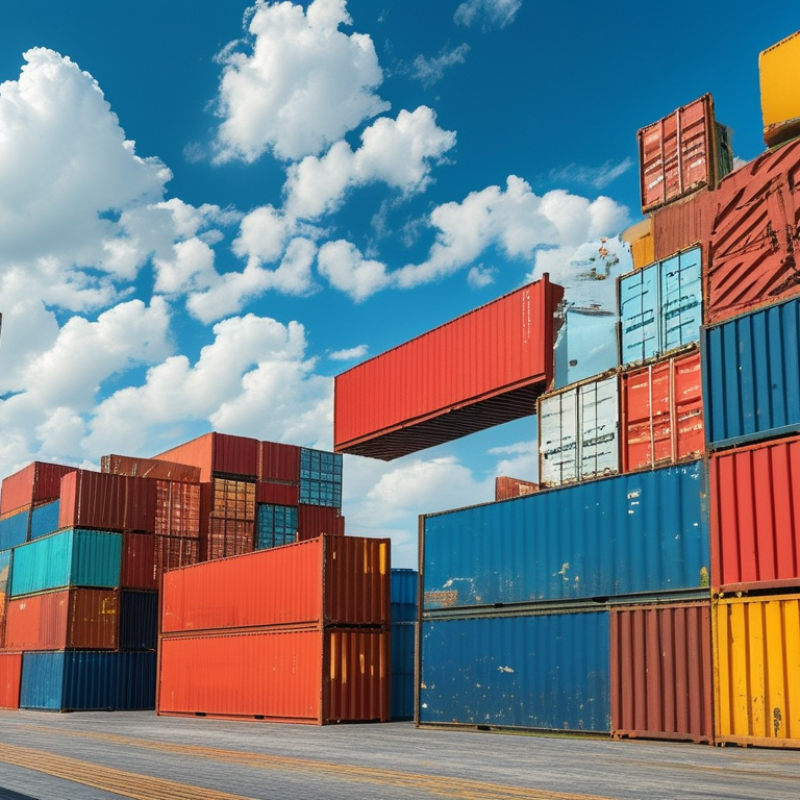
China's container transport sector has witnessed significant growth, driven by strong global trade demands. In 2022, China's port throughput amounted to approximately 14 billion tons, according to industry reports. This massive volume underscores the country's pivotal role in global shipping logistics.
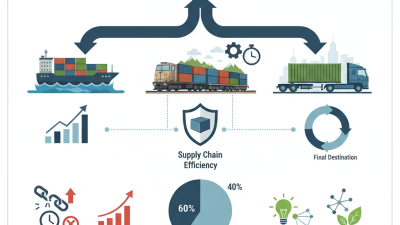
Several solutions cater to the diverse needs of international buyers. Rail transport is gaining traction for its balance of speed and cost. Reports indicate that China’s rail freight volume increased by 6.7% from 2021 to 2022. However, the efficiency varies across regions, and some routes face congestion issues. Additionally, the reliance on maritime transport remains high. About 80% of global trade by volume is shipped via sea. Freight forwarders play a crucial role, offering tailored services to navigate complex logistics.
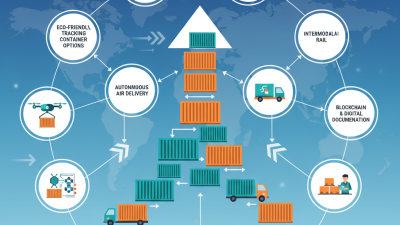
Moreover, technology usage in logistics is on the rise. Platforms employing real-time tracking are becoming more common. Yet, data integrity issues can arise, leading to mistrust. Improvements in transparency and security are essential. The industry's resilience is tested through challenges like fluctuating fuel costs and customs regulations. Buyers must continuously evaluate their partners to ensure reliable operations.
Key Factors Influencing Container Transportation in Global Trade
Container transportation is crucial in global trade. Various factors influence its efficiency. The capacity of shipping lines plays a significant role. Larger vessels can carry more cargo, reducing costs per unit. However, not all ports can accommodate these giants. This creates bottlenecks, impacting the supply chain.
Another key factor is the technology used in logistics. Real-time tracking systems enhance visibility. They allow businesses to monitor shipments closely. However, issues with data accuracy can lead to confusion. If a shipment is delayed, companies need a reliable way to communicate this. Transparency in operations is essential.
Lastly, geopolitical factors cannot be overlooked. Trade agreements can open or close market access. Political stability also influences transportation routes. Companies must adapt quickly to changing conditions. Flexibility in operations is vital to navigate these challenges.
Top Players in China's Container Shipping Industry
China's container shipping industry features a mix of established players and emerging competitors. The sector is pivotal for global trade, facilitating seamless connections across continents. Many companies focus on efficiency, sustainability, and adaptability. They navigate complex logistics challenges with innovative technologies and robust strategies.
Major players often emphasize digital transformation. They utilize advanced tracking systems and big data analytics. This helps in optimizing routes and reducing delays. However, high competition means that some companies struggle to keep pace. A few may lag behind in adopting new technologies. Their reliance on traditional methods can lead to operational inefficiencies.
Customer trust is essential in this market. Reliable service, transparency, and timely delivery are critical factors for buyers. Players who prioritize customer feedback and actively adapt their services tend to thrive. Nevertheless, some organizations still grapple with understanding buyer needs. Collaboration and constant improvement are vital for lasting success.
Top 10 China Container Transport Solutions for Global Buyers
| Rank |
Transport Solution |
Average Transit Time (Days) |
Cost per TEU (USD) |
Service Coverage |
| 1 |
FCL Shipping |
20 |
1500 |
Worldwide |
| 2 |
LCL Shipping |
25 |
3000 |
International |
| 3 |
Reefer Shipping |
30 |
2000 |
Global |
| 4 |
Heavy Lift Shipping |
40 |
5000 |
Regional |
| 5 |
Bulk Shipping |
35 |
1000 |
Coastal |
| 6 |
Fast Track Shipping |
10 |
2500 |
Major Ports |
| 7 |
Intermodal Transport |
22 |
1800 |
Domestic & International |
| 8 |
Container Leasing |
15 |
1200 |
Local |
| 9 |
Charter Services |
28 |
4000 |
Flexible Routes |
| 10 |
Eco-Friendly Shipping |
32 |
2200 |
Global |
Innovative Technologies Enhancing Container Logistics
In recent years, innovative technologies have transformed container logistics in China.
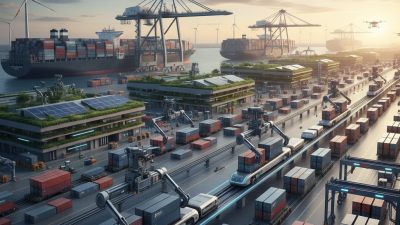
Automation plays a key role. Automated cranes and vehicles streamline operations at ports,
reducing turnaround times significantly. These improvements allow global buyers to receive shipments faster and more efficiently.
Data analytics is another game-changer. By using real-time data, companies can optimize routes
and manage supply chain risks better. Accurate forecasting helps in anticipating delays, thus benefiting shippers.
AI algorithms can identify potential bottlenecks before they disrupt schedules.
Tips: Always track your container in real-time. This can save you from unexpected delays.
Analyze historical data to improve future shipments. Engage with logistics providers that employ cutting-edge technologies.
This engagement can lead to better service and reliability. Explore collaborative platforms that offer transparency in logistics operations.
Building trust in partners is vital for a smoother supply chain experience.
Challenges and Solutions in China’s Container Transport Market
China's container transport market faces significant challenges. Infrastructure issues and inefficiencies can lead to delays. A 2022 report indicated that over 30% of shipments encountered delays in port handling. This disrupts supply chains globally, affecting timelines and costs.
Additionally, regulatory complexities often hinder smooth operations. Navigating compliance can be daunting for foreign buyers. The complexity increases costs and may require local expertise to ensure adherence to local laws. A study by the International Marine Organization highlighted that nearly 25% of companies faced compliance hurdles when importing goods from China.
Moreover, environmental concerns are growing. The push for sustainability is prompting changes in shipping practices. Reports show that around 60% of shipping companies are exploring eco-friendly alternatives. However, transitioning to greener solutions often requires investment and time, creating tension between operational efficiency and environmental responsibility. This dilemma poses a challenge for buyers seeking reliable transport solutions in China.