Best Bulk Transport Solutions for Global Buyers in 2026?
As global trade continues to evolve, finding the best bulk transport solutions remains a priority for businesses. In 2026, buyers face unique challenges and opportunities in the logistics landscape. Bulk transport is at the heart of this evolution, influencing cost, efficiency, and sustainability.
The demand for reliable bulk transport services is higher than ever. Buyers seek partnerships that offer flexibility and innovation. Traditional methods may not suffice. Companies must adapt to fluctuating market conditions and supply chain dynamics. This adaptation requires a deep understanding of various transport modes. Rail, sea, and road options each present distinct advantages.
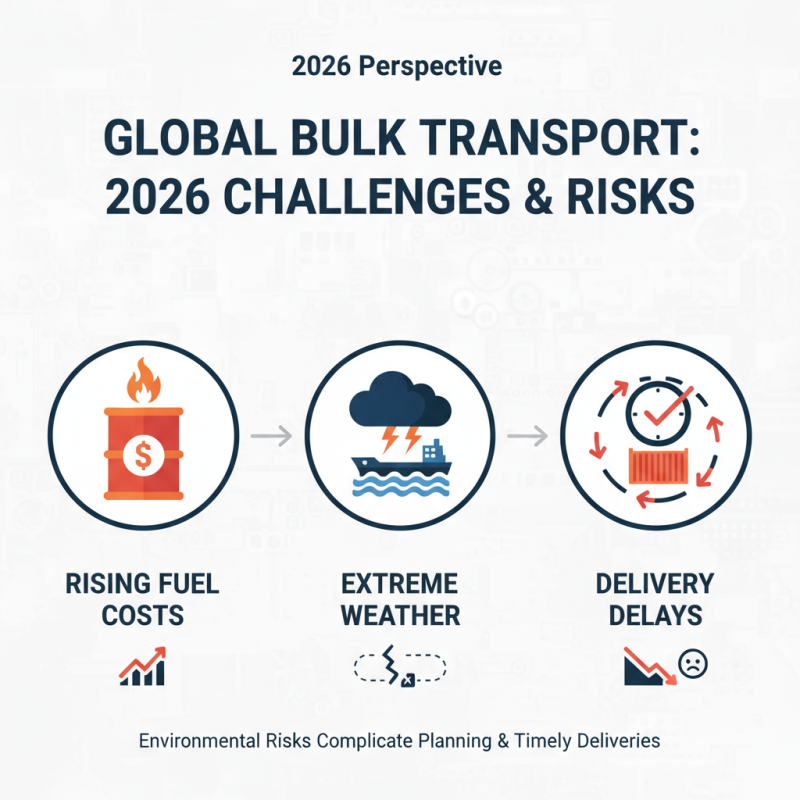
However, the intricacies of bulk transport are not without risks. Unforeseen delays, fluctuating fuel costs, and regulatory changes can complicate operations. Businesses need to reflect on these challenges and consider strategic approaches to mitigate risks. The right solutions will enhance competitiveness and ensure long-term success in an unpredictable market.

Emerging Trends in Bulk Transport Solutions for 2026
As global trade evolves, so do the methods for bulk transport. By 2026, companies are expected to adopt advanced logistics technologies. These innovations include AI-driven route optimization, which enhances efficiency. Shippers will rely on big data to predict demand and streamline operations. This shift will reduce costs and improve reliability.
Sustainability is another key trend shaping bulk transport. Eco-friendly alternatives, such as biofuels, are gaining traction. Companies will face pressure to minimize their carbon footprints. Electric and hybrid transport vehicles will become more common. However, transitioning to greener options poses challenges. Infrastructure and investment in research and development are crucial for success.
Regulatory changes will also impact bulk transport solutions. Stricter environmental regulations may increase operational complexities. Businesses must stay adaptable to navigate these shifts. Engaging with stakeholders and prioritizing transparency will be vital. The journey ahead may be rocky, but embracing change is essential for long-term growth.
Key Global Markets Driving Bulk Transport Needs
As global economies evolve, several key markets emerge as focal points for bulk transport needs. For instance, Asia-Pacific shows significant growth potential. Countries like India and Vietnam are ramping up their manufacturing capabilities. This shift drives demand for bulk materials like raw metals and agricultural products.
Europe is also noteworthy. The energy transition fuels a rise in bulk transport for renewable materials. Wind turbine components and biofuels require efficient logistics. However, the infrastructure often struggles to keep pace with this demand. Delays and congestion can undermine the benefits of investing in renewable energy.
North America presents contrasting challenges. While the region has a robust transport network, it grapples with aging infrastructure. The need for modernization is pressing, especially in urban areas where traffic bottlenecks are common. Addressing these issues will be crucial for sustaining transport efficiency in the face of rising bulk demand.
Innovative Technologies Enhancing Efficiency in Bulk Transport
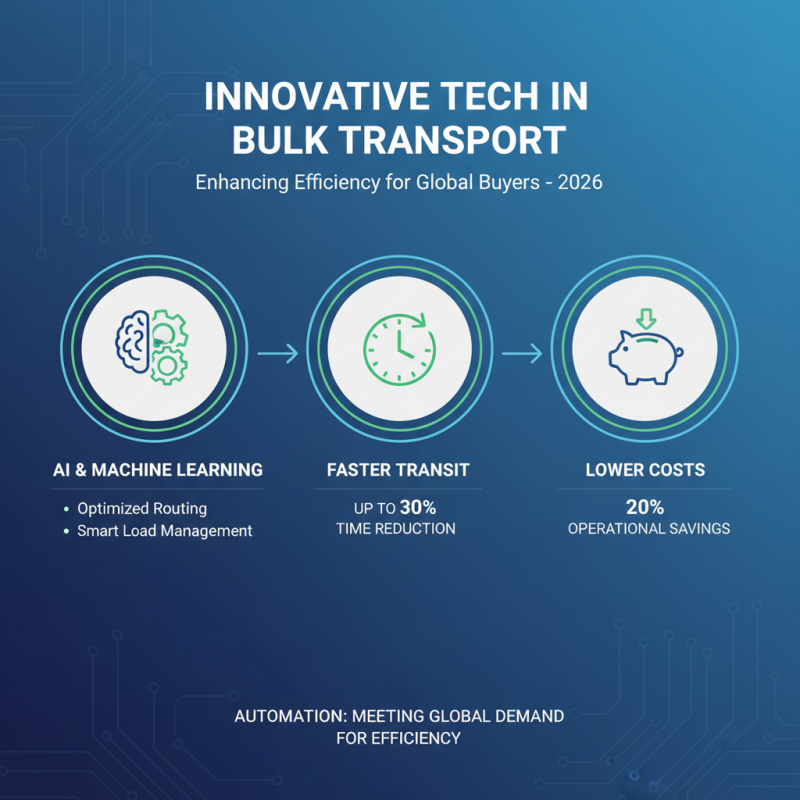
Innovative technologies are reshaping bulk transport solutions for global buyers in 2026. The integration of artificial intelligence and machine learning is a game changer. These technologies optimize routing and load management, reducing transit times by up to 30%. According to industry reports, automation can lower operational costs by 20%. Such advancements are crucial for meeting growing demand for efficiency.
On a practical level, many companies are now utilizing blockchain for enhanced tracking and transparency. This technology ensures that shipments are monitored in real-time, improving accountability. Studies show that firms implementing these solutions report a 15% increase in customer satisfaction. However, challenges remain, particularly regarding the initial investment and training required for personnel.
Tips: When considering new technologies, weigh the costs against potential savings. Invest in training to ensure your team is equipped to use new systems effectively. Continuous evaluation of these technologies will help you stay ahead of the curve. Regularly reassess your logistics strategies to adapt to changing market conditions.
Sustainability Practices in Bulk Transport for a Greener Future
In 2026, bulk transport is expected to embrace innovative sustainability practices. These practices focus on minimizing environmental impacts while ensuring efficiency. Sustainable bulk transport methods not only rely on technology but also on new approaches in logistics and supply chain management.
Fleet optimization is a key area for improvement. Using real-time data can reduce fuel consumption. This method identifies the most efficient routes. Moreover, adopting alternative fuels like biodiesel and electric power is gaining traction. These options significantly lower carbon emissions, promoting a greener future.
Yet, challenges remain. The transition to sustainable solutions can be expensive. Many companies struggle with investment costs and infrastructure. There’s also a need for industry-wide standards to ensure consistency. Collaboration among stakeholders in the transport sector is essential. Building a network for sharing best practices can help tackle these issues.
Best Bulk Transport Solutions for Global Buyers in 2026? - Sustainability Practices in Bulk Transport for a Greener Future
| Transport Method |
Environmental Impact (CO2 emissions) |
Sustainable Practices |
Efficiency Rating |
Cost (USD per Ton) |
| Container Shipping |
50 g CO2/km |
Eco-friendly vessels, Carbon offset programs |
8/10 |
150 |
| Rail Freight |
20 g CO2/km |
Electric trains, Renewable energy use |
9/10 |
100 |
| Road Transportation |
150 g CO2/km |
Alternative fuels, Smart logistics |
7/10 |
200 |
| Air Freight |
500 g CO2/km |
Fuel-efficient aircraft, Carbon credits |
6/10 |
600 |
| Barge Transport |
30 g CO2/km |
Low-emission engines, River conservation |
8.5/10 |
120 |