How to Optimize Container Transport for Global Sourcing?
In today's interconnected world, optimizing "Container Transport" is crucial for global sourcing success. Experts like John Smith, a leading figure in logistics, emphasize the importance of efficient transport systems. He once stated, "Streamlining container transport can reduce costs and enhance supply chain reliability."
To meet consumer demands, businesses must adapt. The increasing complexity of global sourcing requires innovative approaches in container transport management. Companies struggle with delays and escalating shipping costs, impacting their bottom line.
Gaining a competitive edge often hinges on the ability to think beyond traditional methods. Mistakes in transport logistics can lead to significant financial losses. As industries evolve, the need to improve container transport practices continues to grow. Emphasizing reliability, flexibility, and technology integration holds the key to advancement in this field.
Understanding the Importance of Container Transport in Global Sourcing
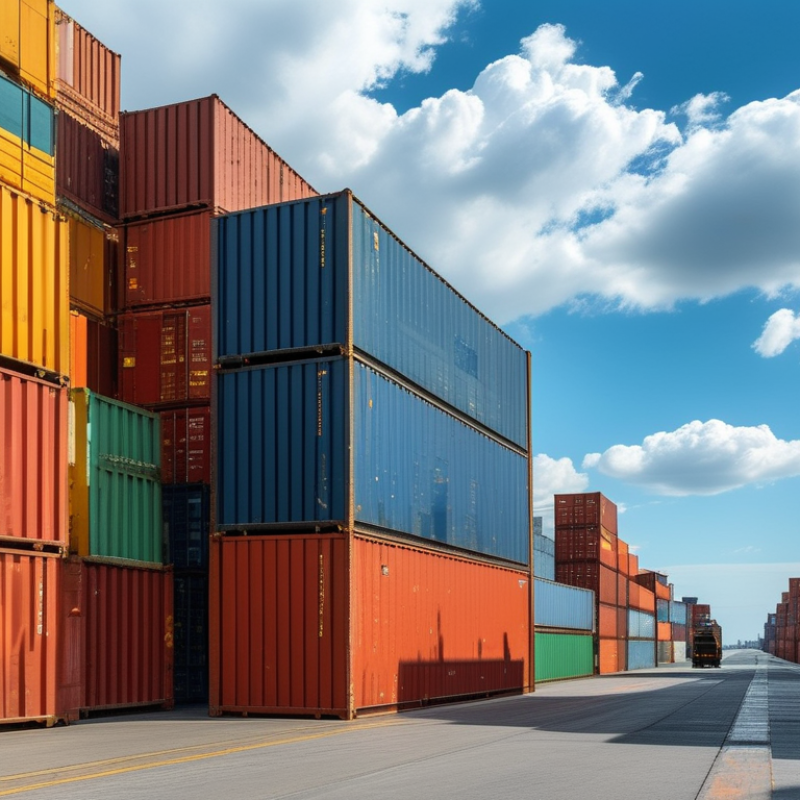
Container transport plays a crucial role in global sourcing. As businesses source materials and products from around the world, logistics become increasingly complex. A report from the World Bank highlights that logistics costs can account for up to 20% of total supply chain expenses. This underscores the significance of optimizing container transport to streamline operations and reduce costs.
Inefficiencies in container transport can lead to delays and increased expenses. A study by the International Transport Forum found that shipping delays increase overall logistics costs by at least 10%. Companies need to adopt data-driven strategies to identify bottlenecks in their transport processes. Utilizing digital tools can enhance visibility, allowing businesses to track shipments in real-time, which helps mitigate risks associated with delays.
Moreover, sustainability is becoming a pressing concern. The shipping industry accounts for nearly 3% of global CO2 emissions, prompting a need for greener practices. Implementing efficient container transport methods can reduce emissions significantly. However, the transition to more sustainable options often involves higher initial investments, which can deter businesses. As companies navigate these challenges, a careful balance of cost, efficiency, and environmental impact will be essential in the evolving landscape of global sourcing.
Key Factors Influencing Container Transport Efficiency
Efficiency in container transport is influenced by various key factors. The choice of routes plays a crucial role. Companies need to analyze shipping lanes carefully. Shorter, more direct routes can reduce transit time and cost. However, variables such as weather and political situations may disrupt plans.
Another important aspect is the selection of appropriate container types. Different goods require different containers. For instance, perishables need refrigerated units. Choosing the right container can prevent damage and spoilage. It’s essential to assess cargo needs regularly. This helps optimize space and enhances overall efficiency.
Furthermore, logistics management significantly affects operations. Integrating advanced tracking systems can provide real-time updates. This facilitates better coordination and minimizes delays. Yet, over-reliance on technology without human oversight can lead to issues. Balancing tech and human judgment is key for effective transport.
Strategies for Optimizing Container Loading and Unloading Processes
Container loading and unloading processes play a pivotal role in optimizing container transport for global sourcing. Efficient operations here can reduce shipping delays significantly. Implementing standardized procedures can save time and resources. For example, using specific loading patterns can maximize space and improve stability during transit. An organized approach also mitigates the risk of damage to goods.
Monitoring is essential in these operations. Continuous tracking of container movements can help identify bottlenecks. Utilizing data analytics provides insights into the loading and unloading durations. This can pinpoint areas needing improvement. For instance, if unloading at a specific port often takes longer, it might require a review of equipment or labor efficiency.
Training staff in best practices is critical. Workers should understand the importance of proper loading techniques. This reduces the chance of injury and product loss. However, there's often a gap in skill levels, leading to inconsistencies. Frequent training sessions can address this, ensuring all team members are aligned. A proactive approach to refining these processes leads to more reliable container transport.
How to Optimize Container Transport for Global Sourcing? - Strategies for Optimizing Container Loading and Unloading Processes
| Strategy |
Description |
Benefits |
Challenges |
| Just-in-Time Loading |
Synchronizing container loading with demand to minimize warehousing. |
Reduced inventory costs and increased responsiveness. |
Requires precise forecasting and robust supply chain coordination. |
| Automation Techniques |
Implementing automated guided vehicles (AGVs) and robotic systems. |
Increased speed and reduced labor costs. |
High initial capital investments and maintenance concerns. |
| Data Analytics |
Using data analysis to improve loading schedules and reduce wait times. |
Better decision-making and resource allocation. |
Requires investment in data analytics tools and expertise. |
| Load Optimization Software |
Using software to analyze and optimize the arrangement of cargo. |
Maximizes space utilization and reduces shipping costs. |
Need for staff training and system integration challenges. |
| Collaboration Platforms |
Using digital platforms to enhance communication among stakeholders. |
Fosters transparency and quicker problem resolution. |
Varied adaptation levels among partners can hinder effectiveness. |
Technology Solutions for Enhancing Container Transport Management
Effective container transport management is crucial for successful global sourcing. Technology plays a pivotal role in streamlining operations and enhancing visibility. According to a report by the International Maritime Organization, about 90% of global trade is conducted through shipping. This emphasizes the need for efficient transport solutions.
One emerging technology is blockchain. It ensures real-time tracking of shipments and reduces paperwork. A study from McKinsey suggests that the implementation of blockchain can potentially save the shipping industry approximately $10 billion annually. Furthermore, Internet of Things (IoT) devices enhance monitoring of cargo conditions. Sensors can detect temperature, humidity, and other factors that might affect goods, addressing concerns over quality and compliance.
Despite advancements, challenges persist. Many companies still struggle with integrating these technologies seamlessly. Training staff and changing existing processes require time and resources. A report from Deloitte indicates that nearly 40% of organizations find resistance to change a major hurdle. Addressing these complexities is essential for realizing the full benefits of technology in container transport.
Optimizing Container Transport for Global Sourcing
This bar chart displays the average time (in days) taken for container transport across various global sourcing regions, highlighting the impact of technology solutions on transportation efficiency.
Collaborative Approaches to Improve Global Sourcing Logistics
Collaborative approaches in global sourcing logistics can drive efficiency and reduce costs. By connecting manufacturers, suppliers, and logistics providers, companies can share insights and resources. For example, a shared platform for tracking shipments can enhance visibility across the supply chain. This clear communication leads to quicker problem resolution.
Implementing collaborative planning sessions can reveal new opportunities for optimization. For instance, joint transportation planning may help consolidate shipments. This can decrease transport costs significantly. However, companies must be cautious. Overreliance on a single partner can create vulnerabilities. Diversifying partnerships is necessary to mitigate risks.
Engaging in open dialogue with all stakeholders fosters trust and accountability. Yet, companies often overlook this aspect. Regular check-ins can identify weak points in the logistics strategy. Collaborative forecasting can also lead to better inventory management. Nonetheless, organizations may struggle with adjusting to this change in mindset. Embracing collaboration requires consistent effort and adaptation.