China Top Container Transport Services and Trends in 2026?
As China navigates the complexities of global trade, container transport remains a pivotal component of its logistics framework. The growth in e-commerce and international trade is driving new trends in container transport services. By 2026, these trends will shape the future of supply chains, making it essential for businesses to adapt.
Understanding the changing landscape of container transport in China involves analyzing various factors. Emerging technologies play a significant role in enhancing efficiency. Innovations, like automated ports and AI-driven logistics systems, improve turnaround times. However, challenges persist, such as congestion and fluctuating demand. These issues require careful reflection and strategic planning.
Looking ahead, sustainability will be key. Companies will need to embrace eco-friendly practices in container transport. The focus on reducing emissions and improving energy efficiency is becoming increasingly important. These trends reflect a commitment to both economic growth and environmental responsibility, urging businesses to rethink their approaches.

Overview of China's Container Transport Services Landscape in 2026
China's container transport services are evolving rapidly. In 2026, the growth is driven by digital transformation and sustainability initiatives. A report from the Global Trade Review projects a 20% increase in container throughput by 2026, signaling a strong demand for efficient transport solutions.
The adoption of smart technologies is reshaping the industry. Automated systems are enhancing port operations and reducing turnaround times. However, challenges remain. Cybersecurity threats pose risks to logistics networks. An industry survey indicated that over 30% of shipping companies reported cyber incidents last year. This has raised concerns about data protection and operational continuity.
Sustainability is a key focus too. Many firms are investing in greener practices. Reports highlight that nearly 50% of container shipping companies aim to cut emissions by 2030. Yet, the path is not straightforward. Balancing cost and eco-friendly practices is challenging. The infrastructure needs expansion to accommodate greener solutions effectively. Addressing these factors will be crucial for continuing growth in China's container transport landscape.
Key Players in China's Container Transport Market
China's container transport market is evolving rapidly. Key players are adapting to new trends. Major companies focus on efficiency, sustainability, and innovation. This competitive landscape drives advancements in logistics. Enhanced technology is essential for managing supply chains better.
Tips for operators include embracing digital tools. Automation can streamline operations significantly. Investing in real-time tracking improves transparency. Keep an eye on sustainability practices; they are becoming crucial.
Market challenges persist. Delays in customs clearance are common. Operators may struggle with fluctuating demand. Staying informed about regulations helps. Building strong partnerships remains vital for success. Flexibility in strategies can mitigate risks and seize opportunities.
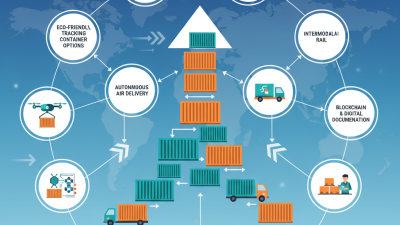
Emerging Trends in Container Transport Technology
The container transport industry is rapidly evolving.
Emerging technologies are reshaping how goods are transported. Automation, artificial intelligence,
and data analytics are at the forefront of these changes. For instance, autonomous trucks can now handle long hauls,
reducing the need for human drivers. This efficiency leads to lower operational costs. However,
these advancements raise questions about job security for drivers.
Blockchain technology is also making waves. It enhances transparency in the shipping process. With
secure, tamper-proof records, stakeholders can track shipments in real-time. This is beneficial for
supply chain integrity. Yet, the complexity of implementing such systems can pose challenges. Companies
must invest in training and infrastructure.
Sustainability is another critical trend. Eco-friendly practices are becoming a priority. More companies
are exploring options like electric-powered ships. While this shift
is promising, it requires significant investment. Not all organizations can afford this transition.
Thus, balancing innovation and cost remains a crucial consideration in the industry.
Impact of Economic Policies on Container Transport Services
The container transport industry in China is undergoing significant changes due to evolving economic policies. According to the China Container Industry Report 2023, the sector is projected to grow by 4.2% annually until 2026. This growth aligns with government initiatives promoting infrastructure development, bolstering trade routes, and enhancing logistics services. However, the impact of tariffs and trade agreements remains a double-edged sword.
Economic policies aimed at increasing exports can stimulate demand for container transport. For example, recent reports indicate an increase in shipping volume by approximately 3 million TEUs in the last year. This uptick highlights a rising trend in container services. Yet, the unpredictable nature of trade tensions could disrupt these gains, as fluctuating tariffs can influence shipping costs. This has led many companies to rethink their logistics strategies and diversify their supply chains.
Moreover, environmental regulations are reshaping the container transport landscape. Focusing on sustainability may improve operational efficiency but also raises costs in the short term. A recent survey noted that over 60% of companies view compliance as a significant challenge. As the industry moves toward greener practices, adapting to these policies will be crucial for long-term viability. Balancing economic growth while embracing sustainability is a complex task that demands careful navigation.
China Top Container Transport Services Trends in 2026
Sustainable Practices and Their Role in Future Container Transport
Sustainable practices are shaping the future of container transport in China. According to the International Maritime Organization, shipping accounts for nearly 3% of global greenhouse gas emissions. In response to this, many companies are implementing eco-friendly techniques. These include using biofuels, enhancing energy efficiency, and optimizing routes. Such measures can reduce carbon footprints significantly.
Data from industry analysts suggest that sustainable ships will make up 25% of the fleet by 2026. Investments in renewable energy technologies are vital. These approaches not only benefit the environment but also improve operational efficiency. For example, ships designed to utilize wind energy can reduce fuel consumption by 20%.
However, challenges remain. The initial investment for green technologies can be prohibitive. Furthermore, regulatory frameworks are still in development. Companies need to navigate these uncertainties while striving for sustainability. Greater collaboration is essential to share best practices and drive innovation in the sector.