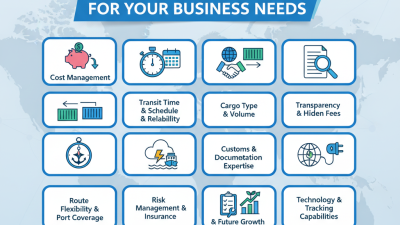
How to Choose Third Party Logistics for Your Global Supply Chain?
Choosing the right Third Party Logistics (3PL) provider is crucial for any global supply chain. According to John Smith, an expert in logistics strategy, “The best logistics partner understands your specific needs and aligns with your business goals.” This highlights the importance of a tailored approach.
In today’s interconnected world, companies face unique challenges. Selecting a 3PL that provides reliable services is vital. Many businesses underestimate the nuances involved. For example, assessing a provider’s technology capabilities is essential. A strong tech foundation allows for streamlined processes and better communication.
Moreover, not all 3PLs fit every company. If a provider lacks experience in your industry, it might create difficulties. Evaluating their track record can shed light on their reliability. The right 3PL can enhance efficiency and reduce costs. However, rushing this decision can lead to long-term setbacks. Understanding your company’s needs is the first step toward success in logistics.
Identifying Your Supply Chain Needs and Goals
Choosing the right third-party logistics (3PL) provider is crucial for a successful global supply chain. To make informed decisions, you must first identify your specific supply chain needs. Understand your operational volumes, delivery timelines, and geographic reach. Are you shipping perishable items? Do you require temperature-controlled storage? These details will shape your choice.
Next, set clear goals for your logistics partnership. Are you aiming to reduce costs, enhance efficiency, or improve service levels? Any 3PL you consider should align with these objectives. Evaluate their technology and expertise. Do they offer real-time tracking? Can they handle complex customs regulations in various regions? Reflect on the compatibility between their capabilities and your needs. A mismatch can lead to complications later.
It’s essential to examine your previous logistics experiences. What worked well, and what didn't? This reflection helps identify gaps and areas for improvement. Engage your team in this dialogue. Their insights may reveal overlooked requirements. Assembling a comprehensive list of your needs and goals allows for an effective selection process, ultimately ensuring smoother operations in your global supply chain.
How to Choose Third Party Logistics for Your Global Supply Chain? - Identifying Your Supply Chain Needs and Goals
| Criteria |
Importance Level (1-5) |
Current Status |
Desired Outcome |
| Cost Efficiency |
5 |
High shipping costs |
Reduce costs by 15% |
| Timeliness of Delivery |
4 |
Frequent delays |
On-time delivery rate: 95% |
| Technology Integration |
4 |
Limited visibility |
Real-time tracking available |
| Flexibility |
3 |
Rigid processes |
Adapt to changes quickly |
| Customer Service |
5 |
Inadequate support |
24/7 support and quick resolution |
Evaluating Potential Third Party Logistics Providers
Evaluating potential third-party logistics (3PL) providers is crucial in constructing a robust global supply chain. Begin by assessing their operational capacity. Examine their technology, warehousing, and transportation capabilities. Are they equipped to handle your specific products? Make sure to delve into their inventory management systems. These tools should align with your business needs and improve efficiency.
Another critical aspect is their track record. Investigate their history of performance and client satisfaction. Seek testimonials or case studies that reflect their reliability. Look for information on their response times during crises. A strong 3PL should demonstrate adaptability, especially in variable market conditions.
Communication is equally important. Ensure that they have a clear strategy for updates and feedback. Understand how they will communicate progress and issues as they arise. A provider who listens and engages will likely add value. Evaluate their cultural fit with your company. Compatibility can improve collaboration and long-term success in your global supply chain.
Assessing the Technological Capabilities of Logistics Partners
When choosing a third-party logistics (3PL) provider, assessing their technological capabilities is crucial. Start by examining their software systems for tracking and managing shipments.
Advanced tracking technology can enhance visibility in your global supply chain. Look for features that provide real-time updates. This transparency helps in making informed decisions.
Data analytics is another important aspect. A capable logistics partner should leverage big data to predict trends and optimize routes. Efficient route planning can save time and reduce costs. However, not all providers may have the resources to harness data effectively.
Evaluate their previous performance metrics and case studies if available.
Consider their integration capabilities with your existing systems. Seamless integration can streamline operations and reduce errors. A lack of compatibility might lead to inefficiencies. Reflect on how you can facilitate smoother transitions.
Finally, don't overlook customer support. Strong technical support is vital for resolving issues quickly. Without it, your operations could face significant disruptions.
Understanding Cost Structures and Pricing Models
When selecting a third-party logistics (3PL) provider for your global supply chain, understanding cost structures is crucial. Pricing models can vary significantly. Some 3PLs charge per shipment, while others may offer flat rates. It is essential to calculate total logistics costs, including storage, transportation, and handling fees. Ignoring hidden costs can lead to budget overruns.
Evaluating different pricing models is key. Fixed pricing provides predictability but less flexibility. Volume-based pricing, on the other hand, encourages efficiency but can spiral if volume fluctuates. Assess current and projected demand carefully. This ensures your choice aligns with long-term strategies.
Moreover, do not overlook the quality of service when considering costs. A cheaper option may compromise reliability. Delays and damages can multiply expenses. Regular reviews of provider performance will help identify potential issues early. Ultimately, the right choice should balance cost with service quality for sustainable supply chain success.
Cost Structures of Third Party Logistics Providers
Establishing Clear Communication and Service Level Expectations
Effective communication is critical when choosing third-party logistics (3PL) providers for your global supply chain. Establishing clear communication channels helps prevent misunderstandings. For instance, setting up regular meetings, whether weekly or monthly, fosters alignment. This practice ensures all parties are updated on progress and obstacles.
Defining service level expectations is equally important. These expectations serve as a roadmap for performance. Consider metrics such as on-time delivery rates, inventory accuracy, and response times. Clarity in these areas reduces friction. However, it's essential to acknowledge that not every provider will meet your needs perfectly. Flexibility and adaptability are necessary for navigating challenges that arise.
Finally, don't overlook the value of feedback loops. Regularly soliciting input from your logistics partners can reveal insights into their performance. This practice invites reflection and encourages collaborative problem-solving. Trust is built through open dialogue, even when things don't go as planned.