What Are the Benefits of European Rail Transport for Businesses?
European Rail Transport plays a crucial role in the logistics sector. With the increasing demand for efficient and sustainable shipping solutions, businesses are turning to rail networks. According to a recent report by the European Rail Infrastructure Managers (EIM), over 70% of companies believe rail transport reduces their carbon footprint. This statistic highlights the importance of rail in combating climate change.
Rail transport offers several advantages: lower costs, faster delivery times, and reduced congestion on roads. Experts like Dr. Anna Petrova emphasize this aspect: "Investing in European Rail Transport not only boosts efficiency but also enhances environmental sustainability." These benefits indicate that European Rail Transport is integral to modern supply chains.
However, challenges remain. Factors like infrastructure upgrades and intermodal connectivity need attention. Despite these hurdles, the potential of European Rail Transport is significant. Companies that embrace this mode of transport may find themselves leading in market competitiveness. The future of logistics might depend on how effectively businesses adapt to these changes.
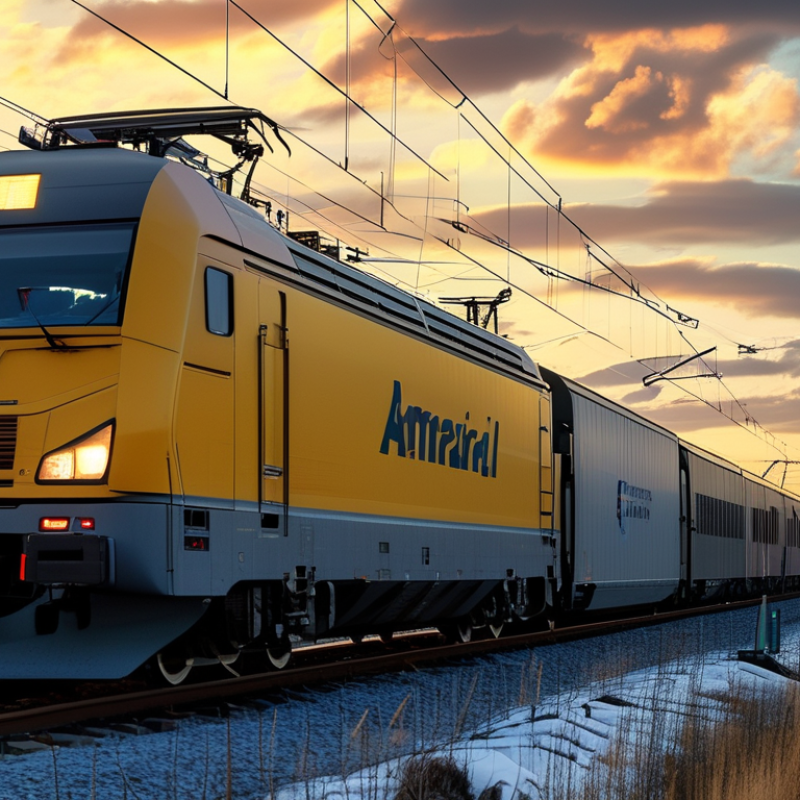
Advantages of European Rail Transport for Business Logistics
European rail transport offers numerous advantages for businesses, particularly in logistics. With around 25% of freight transported by rail in the EU, this mode of transport is environmentally friendly. It generates 75% less carbon dioxide per ton-kilometer than road transport, according to the European Environment Agency. This reduction in emissions appeals to eco-conscious customers and helps companies meet sustainability goals.
Timeliness is another key benefit. Rail networks often provide reliable schedules. According to the European Railways Statistics, the average punctuality rate exceeds 90% for major rail lines. This reliability allows businesses to plan resources effectively. However, rail transport may not be as flexible as road transport, limiting service in certain regions. This aspect raises valid concerns for companies needing extensive delivery routes.
Cost efficiency is significant as well. Rail transport typically costs less per ton compared to road freight. A study by the International Transport Forum indicates rail can be 30% cheaper than road transport for long-distance shipping. However, initial infrastructure investments can be high. Businesses must weigh these costs against potential savings in the long run. Implementing rail logistics requires careful planning, but the benefits can be substantial.
Benefits of European Rail Transport for Businesses
Cost-Effectiveness of Rail Transport Compared to Other Modes
European rail transport offers significant cost advantages for businesses. Railways provide an efficient way to move large quantities of goods over long distances. The expense of shipping by rail is often lower than road transport. This is especially true for heavy and bulk products. Railways can carry substantial loads, reducing the cost per ton-mile. Moreover, infrastructure costs for rail transport can be less than maintaining a fleet of trucks.
Businesses can benefit from predictable schedules with rail service. Predictability reduces the risk of delays and lost revenue. Rail transport is often less affected by weather conditions than roadways. This consistency can enhance a company's reliability with clients. However, the flexibility of rail is sometimes limited compared to trucking. Finding the nearest rail station or handling logistics can be tricky.
While rail transport is economical, it requires careful planning. Not all regions have easy access to rail lines. Businesses must consider these factors when choosing this mode of transport. Relying solely on rail may lack flexibility for time-sensitive deliveries. Thus, combining rail with other transport methods can create a balanced approach. This hybrid strategy can optimize costs while ensuring timely delivery.
What Are the Benefits of European Rail Transport for Businesses? - Cost-Effectiveness of Rail Transport Compared to Other Modes
| Transport Mode |
Average Cost per Ton-Km (€) |
Transit Time (Days) |
Environmental Impact (CO2 emissions kg/Ton-Km) |
Reliability (%) |
| Rail Transport |
0.10 |
2-5 |
0.05 |
95 |
| Road Transport |
0.15 |
1-3 |
0.1 |
85 |
| Air Freight |
1.50 |
0.5-1 |
0.5 |
90 |
| Maritime Transport |
0.08 |
5-15 |
0.02 |
80 |
Environmental Sustainability in European Rail Transport
European rail transport is gaining traction as a key player in environmental sustainability. Rail systems produce 70% less CO2 per ton-kilometer compared to road transport. This significant reduction is vital for businesses aiming to minimize their carbon footprint. As companies face increasing pressure to adopt greener practices, rail offers a solution that aligns with corporate responsibility goals.
Moreover, rail transport is not only efficient but also reliable. According to the European Environment Agency, rail has a higher capacity for transporting goods over long distances with lower energy consumption. This efficiency translates to fewer trucks on the road, reducing traffic congestion and wear on infrastructure. However, some inefficiencies exist. Inadequate infrastructure in certain regions can lead to delays, impacting supply chain efficiency. Businesses must weigh these challenges against the long-term benefits of rail transport.
Data indicates that investing in rail networks can yield significant returns. For every €1 spent, rail infrastructure improvements can generate up to €4 in societal benefits through reduced emission levels and increased accessibility. While the transition may come with hurdles, the potential for a collective shift toward greener logistics is undeniable. By embracing rail transport, businesses not only elevate their operational standards but also contribute toward a sustainable future.
Enhanced Connectivity and Access to Markets Through Rail Networks
European rail transport offers significant benefits to businesses by enhancing connectivity and access to diverse markets. This mode of transport is efficient and environmentally friendly. Rail networks can efficiently link major cities and industrial hubs, reducing transit times for goods. With extensive rail links, companies can tap into new customer bases and suppliers, creating a broader market presence.
To maximize benefits, businesses should evaluate their logistics strategies. Consider integrating rail transport into your supply chain. This shift can lead to cost savings and less congestion on roads. It’s essential to assess schedules and cargo types, ensuring a smooth process. Collaborating with logistics experts can provide insights into optimal rail usage.
When planning shipments, prioritize communication with freight partners. Regular updates on schedules and capacity can prevent delays. Sometimes, unexpected challenges arise, like scheduling conflicts or maintenance issues. Being flexible and having contingency plans can help mitigate disruptions. Evaluate performance metrics to enhance efficiency over time.
Reliability and Timeliness of Rail Transport for Supply Chain Efficiency
Rail transport in Europe offers significant benefits for businesses, particularly regarding reliability and timeliness. According to the European Commission, rail freight has an on-time performance rate of around 91%. This high level of punctuality enhances supply chain efficiency. Businesses can rely on trains to deliver goods as scheduled, minimizing delays in production and distribution.
Furthermore, the average transit time for rail freight across Europe is approximately 24% faster than road transport for distances over 300 kilometers. This speed can lead to reduced inventory holding costs. Companies can optimize their stock levels, preventing both overstock and stockouts. However, issues like infrastructure limitations and occasional service disruptions can still pose challenges that require careful management.
Another important aspect to consider is the environmental impact. Rail transport emits up to 75% less CO2 than road transport, contributing to sustainability goals. Nevertheless, businesses should assess the trade-offs of switching from road to rail. Not every route is serviced efficiently, and some may encounter bottlenecks. Thus, while rail transport holds promise for enhancing reliability and timeliness in supply chains, ongoing monitoring and adjustments are essential.