2026 Best Central Asia Rail Transport Solutions for Global Buyers?
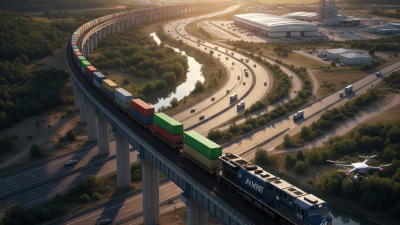
In recent years, Central Asia Rail Transport has emerged as a crucial focal point for global logistics. This region serves as a strategic corridor connecting Europe and Asia, enhancing trade and commerce. As we look ahead to 2026, various advancements in rail solutions promise to shape the future of transportation.
The demand for efficient rail systems continues to rise. Key players in the Central Asia Rail Transport sector are investing heavily in modernizing infrastructure. New technologies and partnerships are critical in addressing the challenges faced by this industry. However, issues such as outdated facilities and funding constraints remain significant barriers.
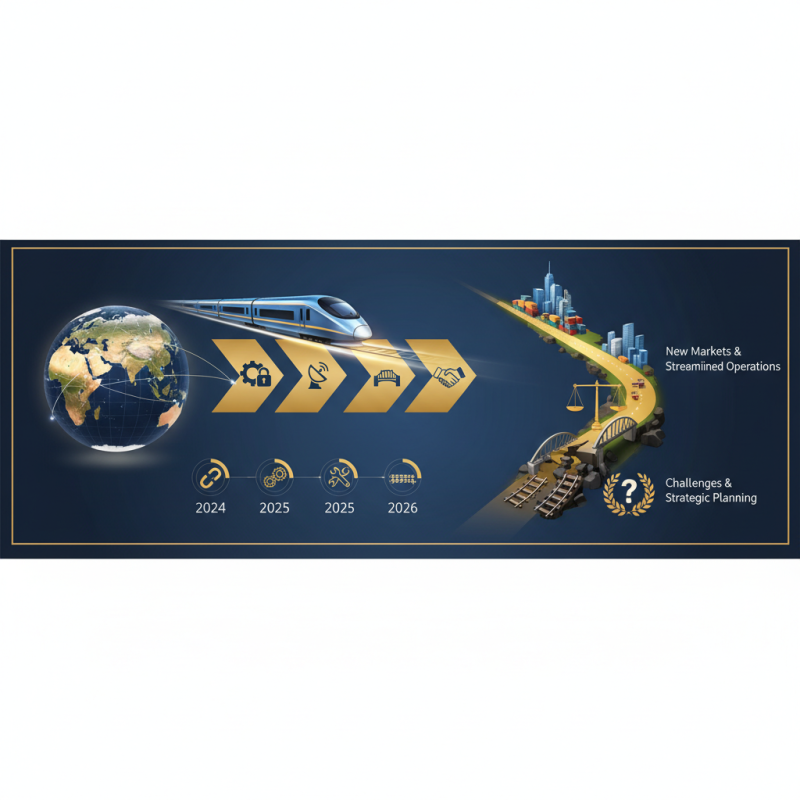
For global buyers, understanding these dynamics is essential. Adopting innovative rail transport solutions can open new markets and streamline operations. Yet, careful consideration is needed to navigate the complexities of such initiatives. The path to an optimized Central Asia Rail Transport system is promising but fraught with reflections on accountability and strategic planning.
Overview of Central Asia's Rail Transport Infrastructure
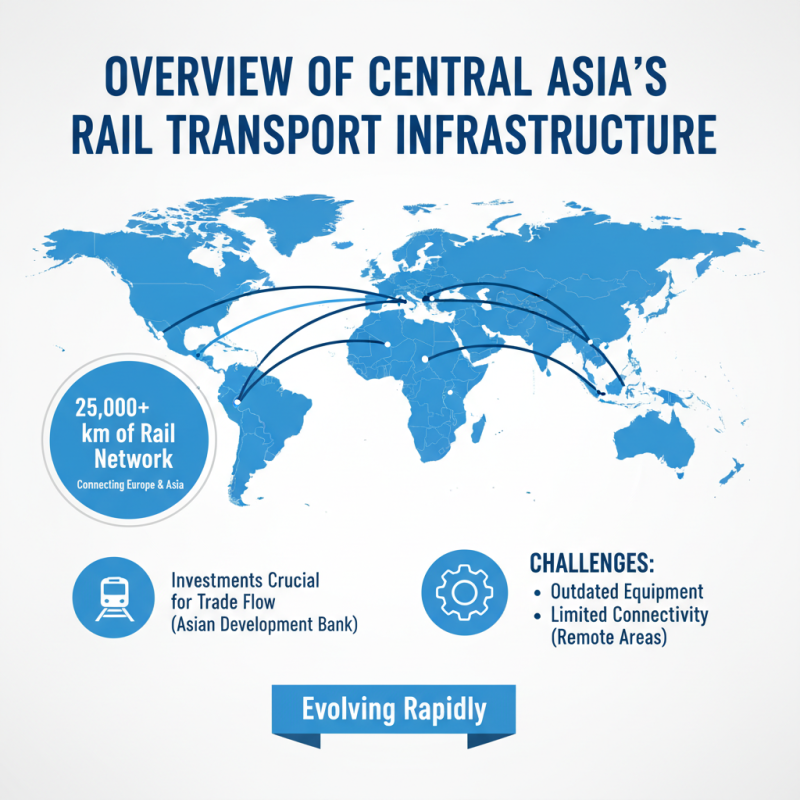
Central Asia's rail transport infrastructure is evolving rapidly. With over 25,000 kilometers of rail network, the region plays a vital role in connecting Europe and Asia. According to the Asian Development Bank, investments in rail projects are crucial for enhancing trade flow. However, challenges remain, including outdated equipment and limited connectivity in remote areas.
The rail systems in Kyrgyzstan and Tajikistan are particularly underdeveloped. Poor maintenance affects reliability. A report from the Central Asia Regional Economic Cooperation identifies these issues, emphasizing the need for modernization and strategic investments. The potential is immense. Improved rail services could boost regional GDP by at least 2% annually.
**Tip:** Investing in local partnerships can be advantageous. Collaborating with regional experts helps navigate the complexities of rail logistics. Understanding local regulations and customs is crucial for success. Engagement with local stakeholders fosters trust and enhances operational efficiency.
Infrastructure upgrades should address safety and efficiency. Train modernization is essential to meet rising demands. However, short-term disruptions can occur during construction. Careful planning is key to minimize impact on existing services. Continuous evaluation of infrastructure’s impact on communities will lead to more sustainable solutions.
Key Players in Central Asia Rail Transport Solutions
Central Asia is witnessing a surge in railway transport solutions, making it a focal point for global buyers. The region offers strategic access to key markets in Europe and Asia, thanks to its extensive railway networks. In 2022, approximately 22 million tons of cargo were transported through Central Asia. This figure highlights the growth potential in rail connectivity, though there are gaps in infrastructure and service quality that need attention.
Key players in Central Asia's rail transport include state-owned enterprises and emerging logistics companies. The Central Asia Regional Economic Cooperation (CAREC) is instrumental in enhancing regional collaboration. Recent reports emphasize the importance of modernization to improve efficiency. While some countries are investing heavily in infrastructure upgrades, others lag behind. This inconsistency can hinder seamless transport operations and affect overall trade competitiveness.
Training and skilled labor remain crucial challenges in this evolving landscape. As demands for efficient transport solutions grow, expertise in railway management is essential. Current industry analysis shows that regions with skilled labor forces see better performance in rail services. A collaborative approach in knowledge-sharing can help address these issues and foster stronger rail transport solutions across Central Asia. The potential is significant, but the journey towards optimized rail transport requires ongoing commitment and investment.
Innovative Technologies Revolutionizing Rail Transport in 2026
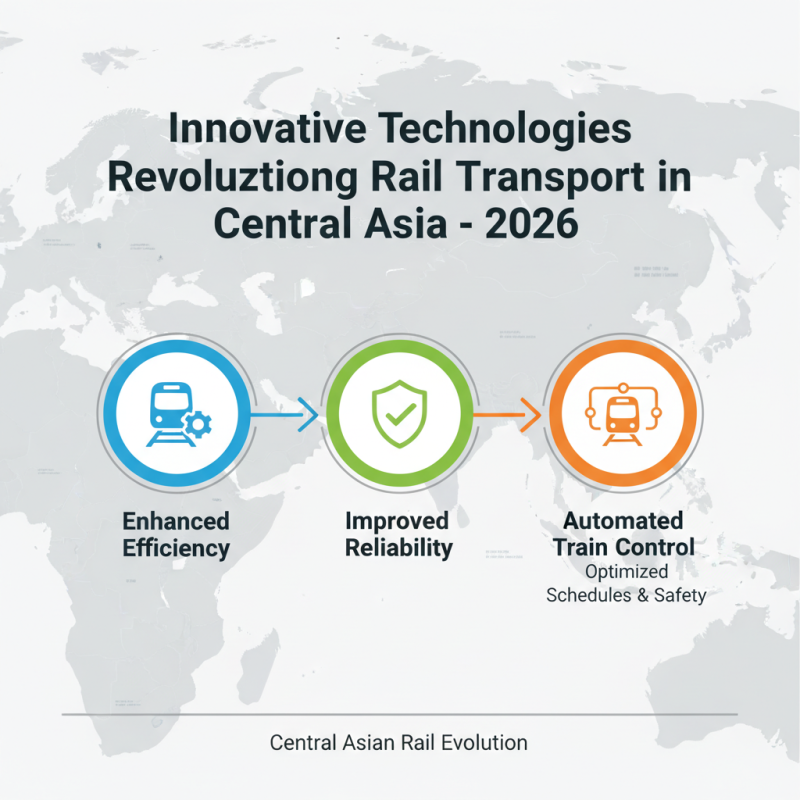
Rail transport in Central Asia is evolving dramatically with innovative technologies. These advancements aim to enhance efficiency and reliability. Automated train control systems are becoming common. They ensure safety while optimizing schedules.
Moreover, advancements in sustainable energy are changing the landscape. Electric trains are being integrated, reducing carbon footprints significantly. These shifts not only help the environment but also lower operational costs. Challenges still exist, such as the upgrading of existing infrastructure. Many networks are outdated and require investment for modernization.
Digital solutions also play a crucial role in this revolution. Smart sensors and Internet of Things (IoT) devices are increasingly used for real-time monitoring. This technology allows for immediate response to issues. However, integrating these systems into existing operations can be complex. There’s a learning curve that can hinder smooth transitions. Overall, while progress is evident, the path ahead requires careful navigation and planning.
Challenges Facing Rail Transport Development in Central Asia
Challenges facing rail transport development in Central Asia are multifaceted. A key issue is inadequate infrastructure. Many rail lines are outdated, leading to inefficiencies. In some regions, tracks require significant repairs. Delays in transport diminish reliability. This situation often discourages investment and partnerships.
Another challenge is the lack of standardized regulations across countries. Each nation has its own protocols, complicating cross-border logistics. This issue creates bottlenecks, as cargo must navigate multiple customs checks. Additionally, language barriers can hinder communication among key stakeholders.
Political factors also play a role. Stability in some areas remains uncertain. This unpredictability can discourage foreign investment. Furthermore, capacity limitations in rail systems affect service quality. Increased demand for freight transport strains existing networks. Civil unrest sometimes threatens operations, impacting delivery times. Addressing these challenges requires collaborative efforts and strategic planning.
2026 Best Central Asia Rail Transport Solutions for Global Buyers
| Dimension |
Description |
Challenges |
Potential Solutions |
| Infrastructure Quality |
Condition of rail tracks and facilities |
Aging infrastructure leading to delays |
Investment in modernization and maintenance |
| Regulatory Framework |
Government policies affecting rail transport |
Inconsistent regulations and tariffs |
Harmonization of policies across borders |
| Technological Adoption |
Use of modern technologies in rail systems |
Limited digital integration and automation |
Investment in technology and training |
| Cross-Border Cooperation |
Collaboration between neighboring countries |
Political issues hindering collaboration |
Bilateral agreements to enhance cooperation |
| Environmental Sustainability |
Impact of rail transport on the environment |
High carbon emissions and environmental degradation |
Adoption of greener technologies and practices |
Strategies for Global Buyers to Navigate Central Asia's Rail Market
Navigating Central Asia's rail transport market can be complex for global buyers.
With over 10,000 kilometers of rail actively connecting major economies, understanding local landscapes is crucial. According to the Asian Development Bank, rail transport in this region has grown by 15% annually since 2018, largely due to increased trade routes. However, regional discrepancies in infrastructure quality can pose significant challenges.
Buyers must evaluate potential partnerships carefully. Not every operator is equipped to handle international standards. Local regulations and customs procedures can also vary widely, leading to unexpected delays. It's essential to conduct thorough due diligence.
Tip: Engage with local experts familiar with Central Asian rail policies. Their insights can help mitigate risks.
Moreover, technological advancements are reshaping the landscape. Rail companies are now investing in modernization and digital solutions to enhance efficiency. Yet, not all investments yield quick returns. Many companies still grapple with legacy systems that hinder progress.
Tip: Demand transparency on financial performance before investing in any rail project. Understanding true costs is vital for making informed decisions.
Ultimately, successful navigation requires patience and adaptability. Central Asia's vibrant rail market offers numerous opportunities for the discerning buyer. By staying informed and leveraging local knowledge, buyers can thrive in this evolving environment.