
2026 Best Sea Freight Forwarders for Global Buyers
Choosing the right Sea Freight forwarder can shape a global buyer’s costs, delivery schedule, and customer experience. In 2026, reliable logistics requires more than a low quotation. Buyers should examine carrier access, port coverage, customs expertise, shipment visibility, and communication quality.
This guide reviews leading Sea Freight forwarders for international buyers using practical, measurable criteria. These include transit planning, rate transparency, cargo handling, documentation accuracy, insurance support, and response times. A dependable forwarder should explain Incoterms clearly and identify risks before cargo reaches the port. A vague answer deserves caution.
Small details matter. A useful tracking system should show container milestones, not only “in transit.” A capable team should notice an incorrect carton count before loading. Strong forwarders also provide realistic schedules when congestion, weather, or blank sailings affect routes. Experience often appears in these ordinary moments.
No ranking is perfect. Market conditions change quickly. Carrier contracts, fuel costs, and port performance can shift during the year. Some companies may perform better on one trade lane than another. This review therefore encourages buyers to compare service records, request written terms, and test communication before committing large volumes. Independent verification remains important, especially for insurance limits, handling fees, and delivery responsibilities.
The companies featured here serve different needs, from small importers needing personal support to established buyers requiring integrated systems. Their strengths are not identical. By matching each forwarder’s capabilities with cargo type, destination, budget, and delivery expectations, buyers can make a more confident and evidence-based decision in 2026.
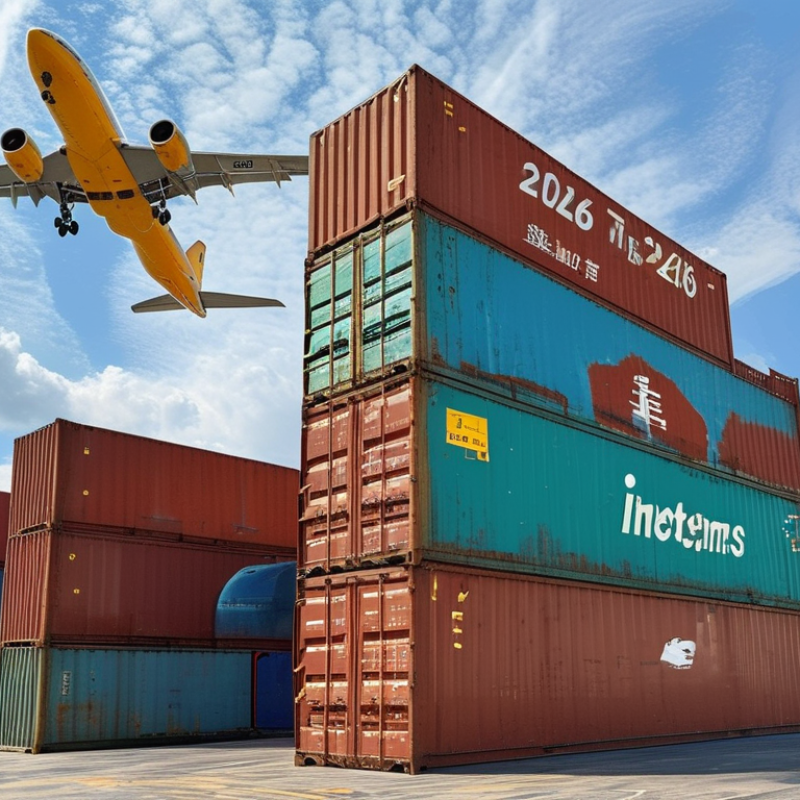
What Sea Freight Forwarders Do for Global Buyers
Sea freight forwarders help global buyers move goods from suppliers to final destinations with fewer surprises. They compare shipping schedules, request space from carriers, and coordinate pickup from factories or warehouses. A reliable forwarder also checks commercial documents, carton counts, cargo weights, and destination requirements before departure. Small errors matter.
Their work continues after the container leaves port. Forwarders track vessel milestones, monitor transshipment points, and update buyers when schedules change. They coordinate export clearance, ocean transport, import procedures, and delivery appointments through several parties. Buyers may receive one shipment, but the forwarder manages a long chain of handoffs. That sounds simple. It is not.
Experienced teams can advise on container selection, packing methods, insurance options, and realistic transit times. They may also identify risks, such as a port closure, missing certificate, or mismatch between the invoice and packing list. However, no forwarder controls every event. Weather, congestion, inspections, and carrier changes can still disrupt plans. Buyers should ask for written cost details, tracking procedures, and escalation contacts before booking. I have found that clear questions prevent more problems than optimistic promises. Some estimates remain imperfect. Good communication makes those limits visible.
2026 Best Sea Freight Forwarders for Global Buyers - What Sea Freight Forwarders Do for Global Buyers
A practical buyer-focused comparison of core forwarding responsibilities, shipping outputs, service benchmarks, and verification points.
| Buyer Requirement | What a Sea Freight Forwarder Does | Typical Documents or Outputs | Practical Industry Benchmark | What Global Buyers Should Verify |
|---|---|---|---|---|
| International Route Planning | Compares ports, vessel schedules, transshipment options, container availability, and destination delivery requirements. | Routing proposal, sailing schedule, estimated transit time, cut-off dates, and destination charges. | Indicative transit: 20–45 days Common for major ocean corridors; actual timing varies by route, season, congestion, and transshipment. |
Ask whether the quotation is for direct service or includes transshipment, and request the planned port pair and sailing frequency. |
| Rate Sourcing and Quotation | Obtains ocean freight and local service rates, then combines them into a quotation based on shipment terms and cargo details. | Freight quotation, rate validity, surcharge schedule, origin charges, destination charges, and service inclusions. | Compare total landed logistics cost The lowest ocean rate may not be the lowest overall cost after handling, documentation, customs, and delivery fees. |
Confirm currency, quotation validity, free-time allowance, fuel or equipment surcharges, terminal fees, and excluded charges. |
| Container Selection | Recommends a suitable container type and load plan according to cargo volume, weight, dimensions, packaging, and handling requirements. | FCL or LCL recommendation, container requirement, packing instructions, cargo measurement sheet, and loading plan. | FCL: dedicated container LCL: shared container space FCL is often more suitable for larger, regular shipments; LCL supports smaller consignments. |
Check the cargo-ready date, gross weight, cubic volume, packaging strength, and whether the cargo can be consolidated safely. |
| Supplier and Cargo Coordination | Coordinates booking instructions, cargo readiness, factory pickup, warehouse receiving, consolidation, and loading deadlines. | Booking confirmation, cargo-receipt notice, warehouse instructions, loading report, and shipment milestone updates. | Milestone visibility Key milestones normally include booking confirmed, cargo received, loaded, departed, arrived, and released. |
Require one responsible contact, written cut-off dates, escalation procedures, and a clear process for late supplier cargo. |
| Export Customs Documentation | Checks commercial and shipment information and coordinates export filing or customs support where included in the service scope. | Commercial invoice, packing list, export declaration, booking data, and transport document instructions. | Data consistency is essential Product descriptions, quantities, weights, values, and tariff classifications should be consistent across documents. |
Confirm who prepares the export declaration, who provides tariff codes, and who bears costs arising from inaccurate or late information. |
| Bill of Lading Management | Collects shipping instructions, submits draft details for review, and arranges the final transport document under the agreed release method. | Draft bill of lading, final bill of lading, sea waybill, or other agreed transport document. | Review before issuance Check shipper, consignee, notify party, cargo description, package count, weight, ports, and freight terms. |
Verify whether the document will be original, surrendered, electronic, or a sea waybill, and confirm the release conditions before cargo arrival. |
| Incoterms and Responsibility Control | Maps the selected Incoterms rule to transportation tasks, cost responsibilities, risk transfer, and required handovers. | Shipping responsibility matrix, quotation assumptions, pickup scope, delivery scope, and customs responsibility statement. | Incoterms clarify roles They do not replace the sales contract, determine ownership, or automatically define every local charge. |
Confirm the named place, import clearance responsibility, tax responsibility, insurance arrangement, and final delivery scope. |
| Import Customs and Destination Delivery | Coordinates arrival notices, destination handling, customs support, cargo release, trucking, warehouse delivery, or final-mile transportation when contracted. | Arrival notice, delivery order, customs-entry support, delivery appointment, proof of delivery, and destination-charge statement. | Plan before vessel arrival Import documents, permits, customs data, and delivery instructions should be ready before the shipment reaches the destination port. |
Ask whether customs brokerage and inland delivery are included, and request a complete list of destination charges and release requirements. |
| Cargo Insurance and Claims Support | Explains available cargo-insurance options, records shipment details, and assists with claim documentation when loss or damage occurs. | Insurance quotation or certificate, survey instructions, damage report, photographs, transport documents, and claim checklist. | Insurance is separate from carrier liability Carrier liability may be limited by the applicable contract and transport rules; insurance terms should be reviewed independently. |
Check insured value, exclusions, deductible, covered risks, claim deadlines, survey requirements, and the party responsible for purchasing cover. |
| Shipment Tracking and Exception Management | Monitors vessel milestones and communicates schedule changes, rolled bookings, port congestion, customs holds, equipment shortages, or delivery exceptions. | Tracking link or report, exception notice, revised ETA, recovery plan, and documented escalation history. | ETA is not a guarantee Ocean schedules can change because of weather, port congestion, blank sailings, labor disruption, customs, or equipment constraints. |
Define update frequency, response time for exceptions, who approves rerouting costs, and how revised delivery dates affect inventory planning. |
| Compliance and Special Cargo Handling | Identifies additional requirements for dangerous goods, temperature-sensitive products, oversized cargo, batteries, food, chemicals, or regulated goods. | Dangerous-goods declaration, safety data documentation, packaging instructions, temperature requirements, permits, and handling plan. | Declare cargo accurately Misdeclaration can create safety, regulatory, financial, and shipment-delay risks. |
Provide accurate product information early and verify required permits, labels, packaging standards, temperature range, and acceptance restrictions. |
| Performance and Cost Review | Reports shipment results and identifies recurring delays, billing discrepancies, document errors, damage events, and opportunities for process improvement. | Freight-cost report, transit-time report, shipment exception log, invoice audit, and quarterly performance review. | Useful KPIs On-time departure, on-time arrival, quotation accuracy, document accuracy, cargo-damage rate, exception response time, and invoice variance. |
Agree on KPI definitions, reporting frequency, data ownership, corrective-action deadlines, and the method used to calculate performance. |
Note: Transit times, prices, surcharges, customs procedures, free time, and destination requirements differ by trade lane, cargo type, season, port, carrier schedule, and contract terms. Buyers should obtain a shipment-specific written quotation before making a purchasing decision.
Related Posts
-

Top 10 Sea Freight Providers for Global Sourcing Needs?
-

Top 10 International Transportation Solutions for Global Buyers?
-

Best 10 Container Transport Tips to Enhance Your Shipping Efficiency
-

What Are the Benefits of Using Third Party Logistics?
-
Top Container Transport Methods for Efficient Shipping Solutions?
-
What is International Logistics and How Does It Impact Global Trade?