China Top Cross Border Rail Transport Solutions for Global Buyers?
In recent years, Cross-Border Rail Transport has emerged as a vital component of global logistics. China, with its extensive rail network, stands at the forefront of this evolution. According to a report by the International Transport Forum, rail freight transport accounts for nearly 20% of total freight movement in many countries, making it a reliable choice for global buyers.
The increasing demand for efficient supply chains has accelerated the growth of rail transport. The China-Europe Railway Express, for instance, has expanded significantly, operating over 12,000 trips in 2021, which represents a growth of 22% from the previous year. This service connects multiple regions, offering a swift and reliable alternative to maritime transport. However, challenges remain, such as variable transit times and infrastructure disparities.
As the industry evolves, stakeholders must focus on improving service reliability and reducing costs. The complexity of Cross-Border Rail Transport demands continuous adaptation and innovation. Without addressing these issues, the full potential of this mode of transport may remain unfulfilled. Balancing efficiency with reliability is crucial for the future of global logistics.

Overview of China's Cross Border Rail Transport System
China's cross-border rail transport system is evolving rapidly. It connects major cities in China with key international markets. This network is essential for global trade.
Recent data shows that China's rail freight volume reached over 4.9 billion tons in 2022, reflecting a steady growth of 4.5% annually. This indicates the increasing reliance on rail for efficient logistics.
The New Silk Road initiative, officially known as the Belt and Road Initiative (BRI), is a significant driver of this expansion. It enhances connectivity across continents.
According to industry reports, the volume of cargo transported via the China-Europe rail routes increased by 20% year-on-year, indicating strong demand and trust in rail transport solutions.
Rail transport in China aims to reduce transit times and costs. Average transit times for shipments to Europe can be as low as 12-16 days. Despite advancements, there are instances of delays due to border inspections and operational inefficiencies.
The industry continually seeks to refine processes. As China strengthens its rail capabilities, global buyers should stay informed about developments and adapt their logistics strategies.
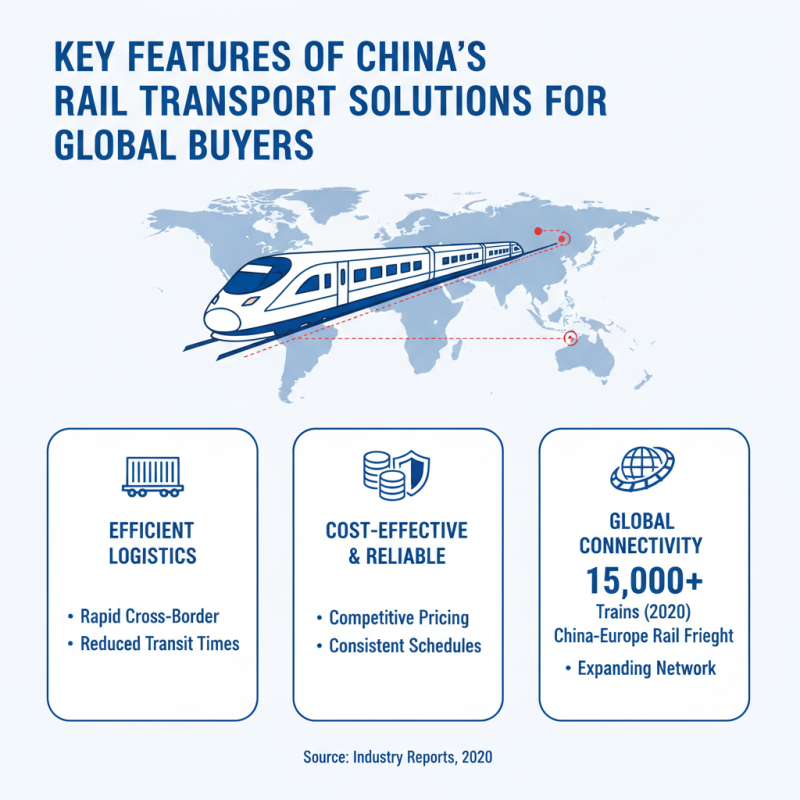
Key Features of China's Rail Transport Solutions for Global Buyers
China has rapidly evolved as a key player in cross-border rail transport, providing global buyers with efficient logistics solutions. The rail transport sector has seen a significant increase in demand, driven by its cost-effectiveness and reliability. Reports indicate that the China-Europe rail freight network handled over 15,000 trains in 2020, a remarkable increase from previous years. This growth reflects the strategic importance of rail transport in global supply chains.
Key features of China's rail solutions include the integration of advanced technologies. Applications like real-time tracking enhance transparency. Buyers gain insights into their shipments, reducing uncertainty. Additionally, rail transport significantly decreases transit times compared to traditional shipping methods. For instance, transporting goods from China to Europe via rail takes about 12-16 days, while sea freight can take over a month.
Tip: Global buyers should assess the flexibility of rail schedules. Adjustments may be necessary due to unforeseen circumstances. Another tip is to explore options for consolidated shipments, which can optimize costs. Engaging with reliable partners in rail logistics is crucial to navigate this evolving landscape effectively.
Major Routes and Destinations in China’s Cross Border Rail Network
China’s cross-border rail network plays a vital role in global trade. Major routes connect key cities such as Yiwu, Chengdu, and Shenzhen to Europe and beyond. In 2022, rail freight shipments increased by over 20% compared to the previous year. This surge reflects the network's growing importance.
The China-Europe Railway Express is a notable route. It spans over 10,000 kilometers and connects to 24 European countries. Key destinations include Duisburg, Hamburg, and Lyon. This route is known for its reliability. Transit times average about 12-16 days. While under normal circumstances, efficiency is high, unpredicted delays can occur.
Cities like Wuhan and Xi’an have also become essential transit hubs. They facilitate easy access to Southeast Asia and Central Asia. However, infrastructure challenges remain a concern. Upgrades are necessary to maintain speed and reliability. Data indicates that investments in rail infrastructure are crucial for future growth. Addressing these issues will help strengthen China’s position in global trade networks.
Challenges and Solutions in Cross Border Rail Logistics
Cross-border rail logistics in China presents significant challenges. Delays remain a pressing issue. In 2022, a report highlighted that 30% of rail shipments were delayed due to infrastructure limitations. Bottlenecks at border crossings contribute to these delays. The complexity of customs procedures adds more strain to the system.
To address these issues, effective solutions are essential. Technology integration is a key factor. Real-time tracking systems are increasingly being utilized. These systems enhance visibility and communication, reducing uncertainty. A survey indicated that 75% of logistics companies believe technology is crucial for improving efficiency.
However, several areas need improvement. Collaboration between stakeholders is often insufficient. Rail logistics require a coordinated approach between transport companies and customs authorities. Ongoing training for personnel is also vital. Many team members lack the necessary expertise in handling cross-border shipments. Developing a unified strategy involving all parties can significantly enhance operational efficiency.
Cross Border Rail Transport Solutions: Challenges and Solutions
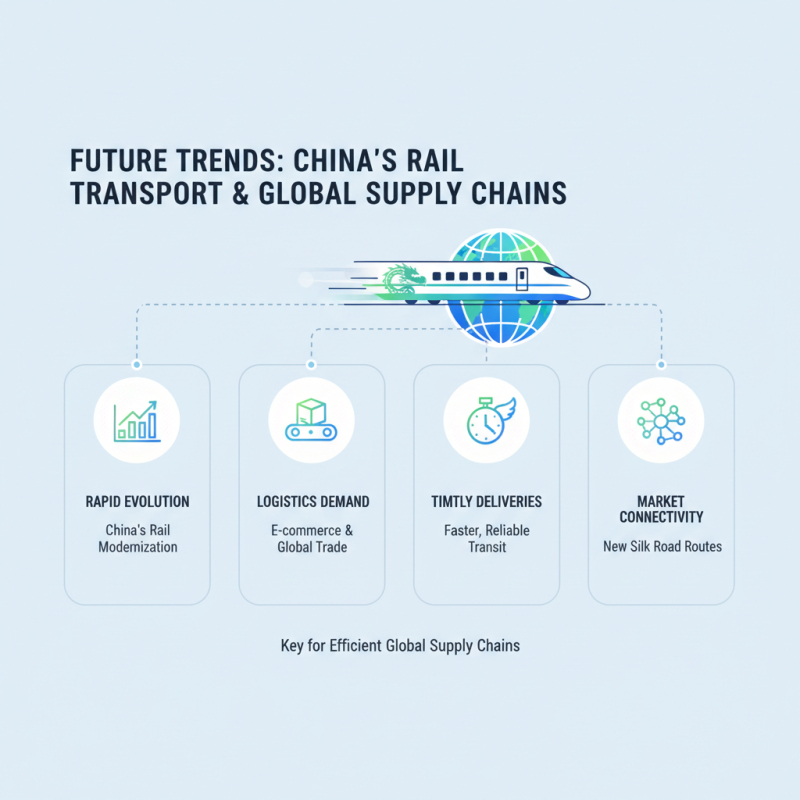
Future Trends in China's Rail Transport for Global Supply Chains
China's rail transport is evolving rapidly. The demand for efficient logistics has surged as global supply chains change. Rail solutions are becoming essential for timely deliveries. More companies are exploring rail transport as a viable option. This shift reflects the growing interconnectivity of markets.
Future trends suggest enhancements in technology and infrastructure. Digitalization will streamline operations and improve tracking. Advanced analytics can predict logistics issues before they arise. However, there are challenges in integrating these new technologies. Traditional systems may resist change, leading to disruption.
Environmental concerns are also reshaping the industry. Rail transport is considered greener than road or air. Yet, issues with emissions and energy efficiency remain. Companies must balance cost, efficiency, and sustainability. It's crucial to consider these factors for future planning. Adapting to these trends will require collaboration across the industry.