How to Optimize Cross-Border Rail Transport for Global Buyers?
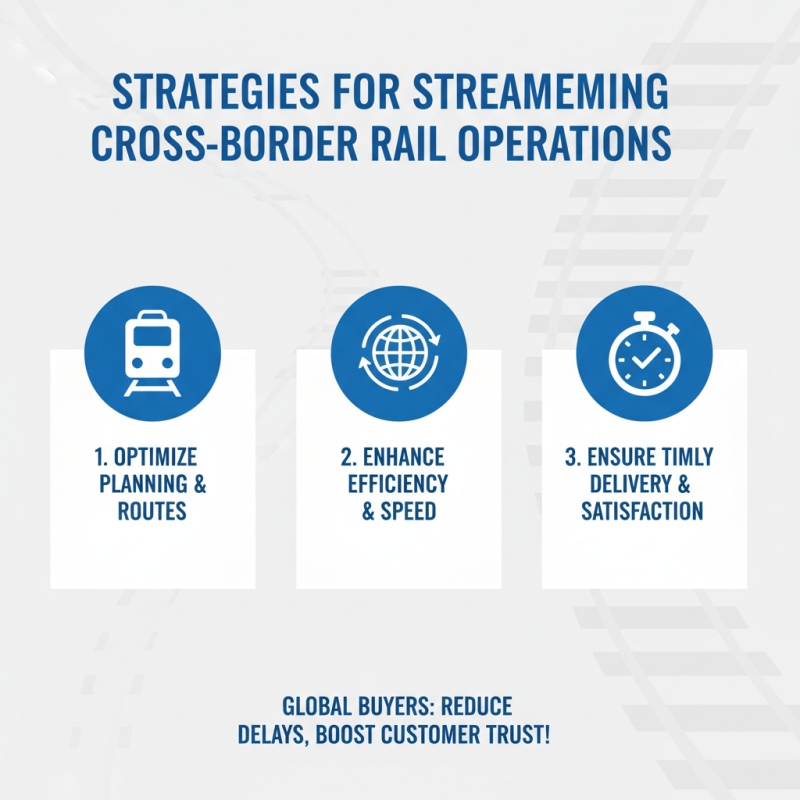
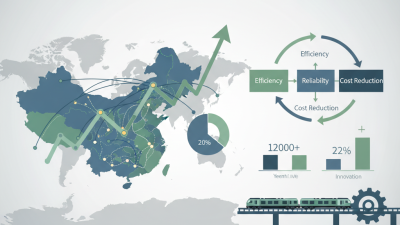
In recent years, cross-border rail transport has emerged as a vital component of global trade logistics. According to a report by the International Rail Transport Association, the volume of goods transported by rail across borders has increased by approximately 20% since 2019. This growth underscores the necessity for optimization in this sector, especially for global buyers seeking efficiency and reliability.
Industry expert Dr. Emily Carter emphasizes the importance of enhancing rail networks, stating, "The future of cross-border rail transport hinges on our ability to innovate and integrate technologies that streamline operations." Without effective optimization strategies, bottlenecks can occur, leading to delays and increased costs.
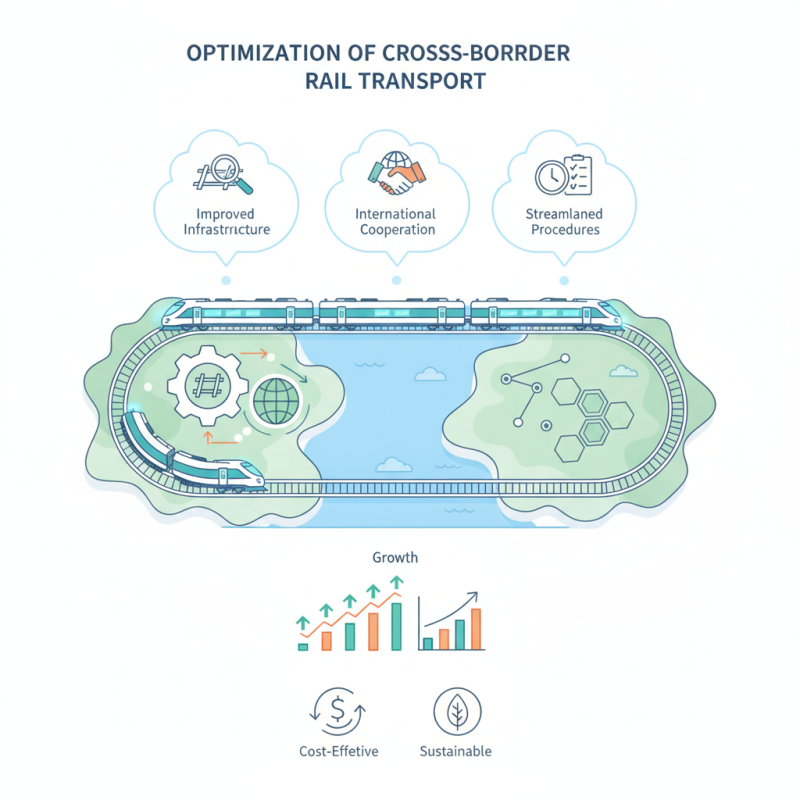
Optimizing cross-border rail transport requires not just improved infrastructure, but also better coordination between countries and logistics providers. Challenges remain, such as differing regulations and customs procedures that can slow down operations. Addressing these hurdles is critical for maximizing the potential of rail as a sustainable and cost-effective mode of transport.
Understanding the Basics of Cross-Border Rail Transport
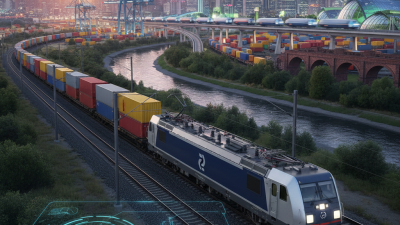
Understanding cross-border rail transport is vital for global buyers. This mode of transport is efficient and environmentally friendly. It connects multiple countries and reduces inland transportation costs. The rail system allows large volumes of goods to be moved swiftly across borders. However, it’s important to navigate the complexities of customs regulations and transit times.
Tips: Always verify your documentation. Missing or incorrect paperwork can lead to delays. Be aware of the different customs procedures in each country. Establish strong relationships with local transport companies. Communication is key in this dynamic environment.
Buyers should also consider choosing routes wisely. Some paths are faster but may have higher costs. Evaluate the trade-offs between speed and expense. It’s essential to analyze the reliability of service providers. Not all carriers offer the same level of service. Utilizing rail transport can save considerable resources if managed correctly.
Identifying Key Challenges in Cross-Border Rail Logistics
Cross-border rail logistics face significant challenges that hinder efficiency and reliability. Delays at borders, varying regulations, and differing infrastructure quality can complicate operations. Global buyers often struggle with inconsistent transit times, making it difficult to plan inventory and meet customer demand.
One common issue is the integration of technology. Many rail operators lack advanced tracking systems. This creates uncertainty about shipment status. Improving communication between all stakeholders is crucial. Implementing real-time tracking can enhance transparency and reduce confusion.
Another critical factor is regulatory compliance. Each region has its own rules and procedures. Understanding this landscape can be daunting. Buyers must invest time in training their teams to navigate these complexities. A valuable tip is to develop partnerships with local experts. They can provide insights into legal requirements and best practices. This strategy can minimize potential legal pitfalls and enhance logistics efficiency.
Investing in staff training is essential. Educated personnel can adapt to changing regulations quickly. This reduces delays caused by compliance issues. Furthermore, regularly reviewing procedures can identify gaps and areas for improvement. Engaging with industry forums will also expose businesses to new ideas and innovations in rail logistics.
Leveraging Technology to Enhance Rail Transport Efficiency
Cross-border rail transport is becoming increasingly vital in global trade. According to the International Union of Railways, rail freight can reduce carbon emissions by up to 80% compared to road transport. Leveraging technology can significantly enhance the efficiency of this mode of transportation. Innovative solutions like real-time tracking and automated sorting systems allow for quicker and more reliable operations. However, the integration of these technologies is often hindered by outdated infrastructures and bureaucratic delays.
Utilizing big data analytics can optimize route planning and improve loading schedules. Data from the World Bank highlights that 20% of rail freight costs stem from delays. By analyzing traffic patterns and train performance, companies can make informed decisions. Yet, many stakeholders still resist digital transformation. A conservative mindset can limit the potential benefits technology can bring.
Moreover, IoT devices play a crucial role in monitoring cargo conditions. Using sensors can prevent spoilage, especially for perishable goods. However, the upfront investment in technology may discourage smaller players. Balancing costs and technological adoption is essential. Embracing this change requires commitment and continuous evaluation. Each step toward modernization must also consider both efficiency and the environmental impact.
Building Partnerships for Successful Cross-Border Rail Solutions
Building successful partnerships in cross-border rail transport is crucial for global buyers. Effective collaboration can enhance efficiency and reduce costs. Diverse stakeholders add value to the supply chain. Each player brings unique insights and capabilities. This diversity can drive innovation in logistics processes, but it also requires patience and openness.
Understanding cultural differences is vital. Communication barriers may arise. Open dialogue and regular meetings can foster trust. Both parties should share expectations clearly. Misalignments can lead to significant delays. These challenges necessitate adaptive strategies. Flexibility in operations can help navigate unforeseen issues. It’s essential to recognize that not every partnership will thrive. Reflecting on these experiences can lead to better choices in the future.
Technology is another key element. Real-time tracking systems can optimize routes and reduce transit times. However, technology adoption may require investment. Not all partners may be ready for this shift. Evaluating the readiness of each party is important. Continuous improvement should be the goal. Embracing a mindset of learning from both successes and failures will result in stronger partnerships over time.
How to Optimize Cross-Border Rail Transport for Global Buyers?
| Dimension |
Description |
Key Metrics |
Optimization Strategies |
| Transit Time |
The total time taken for goods to move from origin to destination. |
Average time: 7 days |
Implementing just-in-time practices |
| Cost Efficiency |
Total cost incurred in transporting goods. |
Cost per container: $1200 |
Negotiating bulk discounts with freight carriers |
| Infrastructure Availability |
Accessibility of rail facilities and terminals. |
Terminals: 50% operational |
Investments in terminal upgrades |
| Regulatory Compliance |
Adherence to cross-border transport regulations. |
Compliance rate: 85% |
Regular training for compliance staff |
| Reliability |
Consistency in delivery times and conditions. |
On-time delivery rate: 92% |
Use of real-time tracking technologies |