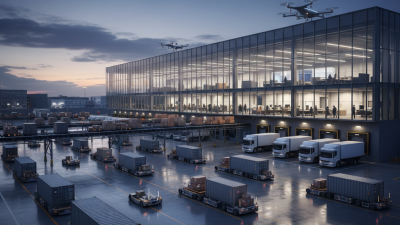
How to Optimize Container Transport for Global Trade Efficiency?
In today's interconnected world, efficient Container Transport plays a crucial role in global trade. Businesses rely on streamlined shipping to reduce costs and improve delivery times. However, the process is often hindered by various challenges. These include congestion at ports, varying regulatory environments, and inefficient logistics.
Effective Container Transport strategies can help mitigate these issues. Companies can incorporate technology, such as AI and IoT, to improve visibility and coordination. Real-time tracking of containers enhances accountability and helps manage delays. Yet, there remains a reliance on outdated systems, which can stall progress.
Moreover, sustainability is becoming increasingly important. Companies face pressure to reduce their carbon footprints. Optimizing Container Transport must also address environmental concerns. All these factors highlight the complexity of developing an efficient container system. Reflecting on these elements can spark innovation and drive improvements in global trade efficiency.
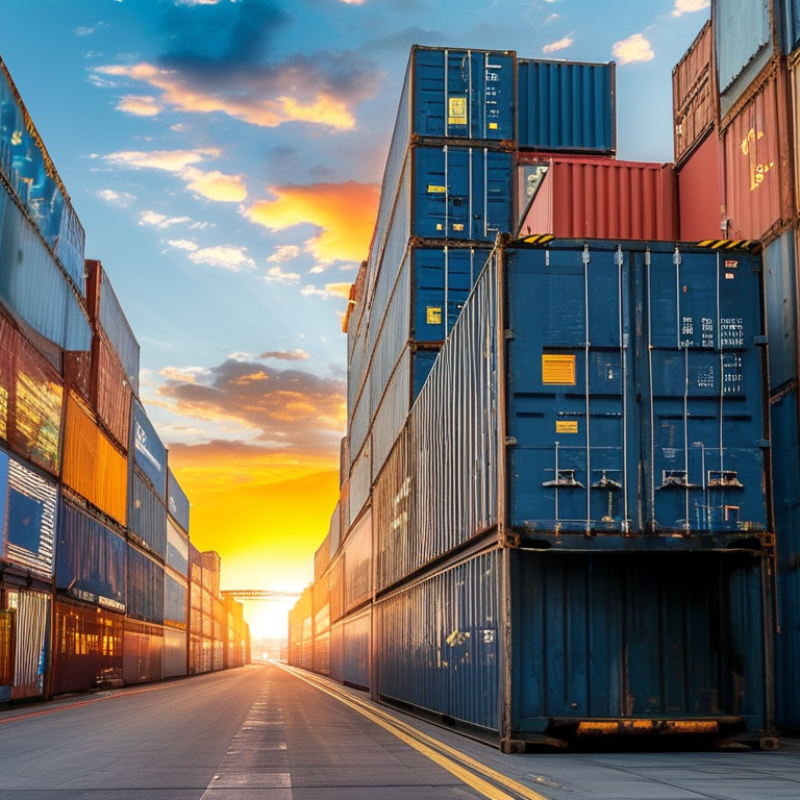
Strategies for Enhancing Container Transport Efficiency in Global Trade
In the world of global trade, container transport efficiency plays a crucial role in supply chain success. One effective strategy is the implementation of smart technologies. Using IoT devices can provide real-time tracking of containers. This technology enhances visibility and improves coordination among transportation stakeholders. However, not all organizations are ready for such investments. The upfront costs can deter smaller companies.
Another approach involves optimizing routes. Advanced algorithms can analyze traffic patterns and weather conditions. This helps in selecting the most efficient routes for transportation. While this sounds promising, data accuracy remains a challenge. Inaccurate data can lead to poor decision-making, affecting overall efficiency. Moreover, frequent changes in global trade regulations can complicate these optimizations.
Collaboration among all parties is essential. Establishing partnerships between shipping lines, ports, and logistics providers can streamline operations. With better communication, delays can be minimized. However, fostering such collaboration might require overcoming historical rivalries. It's a gradual process that demands patience and trust among stakeholders.
Impact of Technology Adoption on Container Shipping Speed and Costs
The adoption of advanced technologies in container shipping significantly influences both speed and costs. For instance, a study from the International Maritime Organization highlights that utilizing automated container terminals can improve throughput by up to 30%. This efficiency translates into shorter turnaround times for vessels, enhancing global trade flow. The integration of IoT devices allows for real-time tracking of containers, providing precise location updates and minimizing delays. According to the World Bank, these innovations can reduce shipping costs by as much as 20%.
Adopting data analytics further optimizes routes and scheduling, leading to fuel savings and improved delivery times. A report from Clarksons Research noted that predictive analytics can increase operational efficiency by approximately 15%. However, challenges remain. Not all companies have the resources to invest in such technologies, and the transition can disrupt existing processes.
Investing in technology can yield significant returns. Start with small changes, such as adopting tracking software for better visibility. Engage your team in continuous training on new systems to maximize their effectiveness. Establish partnerships with tech providers who are experienced in the shipping industry. This collaborative approach can pave the way for smoother transitions and lasting improvements in container transport efficiency.
Key Performance Indicators (KPIs) for Measuring Container Transport Efficiency
Measuring container transport efficiency requires understanding Key Performance Indicators (KPIs). A key KPI is "container turnaround time," which reflects how quickly a container moves through the supply chain. Recent reports indicate the average global turnaround time is around 5.4 days. However, operational inefficiencies often extend this period, negatively impacting overall trade efficiency.
Another crucial KPI is "cargo capacity utilization." This metric shows how effectively shipping space is used. Data suggests that global shipping lines operate at a mere 60% capacity. This underutilization leads to higher costs and contributes to increased carbon emissions. Companies should strive for smarter routing and better load planning to maximize capacity.
Additionally, "on-time delivery rate" serves as a vital KPI. Studies reveal that delays cost the global supply chain billions each year. Although many companies aim for a 95% on-time rate, achieving this remains elusive. Identifying bottlenecks and improving communication across all stakeholders is essential for enhancing reliability. While these KPIs provide insights, they also highlight areas where significant improvements are still needed.
Key Performance Indicators for Container Transport Efficiency
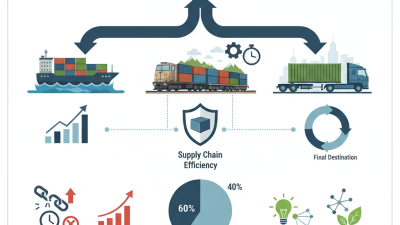
This chart displays important KPIs for optimizing container transport in global trade. Reducing transport time, minimizing costs, and improving delivery reliability are crucial for enhancing efficiency in logistics.
Sustainability Practices in Container Transport: Reducing Carbon Footprint
Sustainability is increasingly vital in container transport. The shipping industry contributes about 2-3% of global greenhouse gas emissions. Reducing these emissions is crucial for our planet. Practices like optimizing routes, using cleaner fuels, and adopting energy-efficient technologies can make a difference. According to the International Maritime Organization, improving vessel efficiency can cut emissions by up to 75%.
Investing in alternative fuels plays a key role. For instance, biofuels can reduce carbon emissions by up to 80% compared to traditional fuels. Furthermore, incorporating renewable energy sources, like solar panels, is becoming more common. These methods not only reduce the carbon footprint but also save costs over time. However, the transition is slow, and many shipping companies are still reliant on high-emission fuels.
Consider multilevel partnerships. Collaborating with logistics providers can create synergies. Improved training and awareness can help workers understand eco-friendly practices. Small changes matter, like maintaining optimum speeds for vessels. Slow steaming can save fuel significantly. Embracing these sustainability practices is a gradual process. Getting there requires commitment and innovation in container transport.
Collaborative Logistics: Strengthening Supply Chain Partnerships for Optimization
Collaborative logistics can reshape the landscape of global trade. Building strong partnerships within the supply chain enhances efficiency and reduces costs. When stakeholders share resources, it leads to greater visibility. Real-time data can improve decision-making and inventory management. By working together, companies can respond faster to changes in demand.
However, not all collaborations yield positive results. Misaligned goals can lead to friction among partners. It's essential to establish common objectives. Clear communication is crucial for fostering trust. Insights from all parties should guide logistics choices. The focus must remain on shared values and mutual benefits.
Technology plays a pivotal role in collaboration. Platforms that integrate supply chain data facilitate smoother operations. Nevertheless, incorporating technology can be overwhelming. Organizations must invest time in training staff. Need for ongoing evaluation is paramount. Understanding what works and what doesn't is essential for continuous improvement.
How to Optimize Container Transport for Global Trade Efficiency?
| Container Type |
Load Capacity (Tons) |
Transport Mode |
Average Delivery Time (Days) |
Partnership Opportunities |
| Standard Container |
20 |
Ship |
30 |
Logistics Partnership |
| Reefer Container |
22 |
Ship |
28 |
Cold Chain Coordination |
| Flat Rack |
30 |
Ship |
25 |
Heavy Equipment Logistics |
| Open Top Container |
28 |
Ship |
35 |
Project Cargo Services |
| ISO Tank Container |
26 |
Ship |
30 |
Chemical Transport Solutions |