How to Master Bulk Transport Strategies for Efficient Logistics?
Mastering bulk transport strategies is crucial for efficient logistics. Bulk transport involves moving large quantities of goods. This process can be challenging yet rewarding when done correctly. Logistics managers must balance cost, time, and safety.
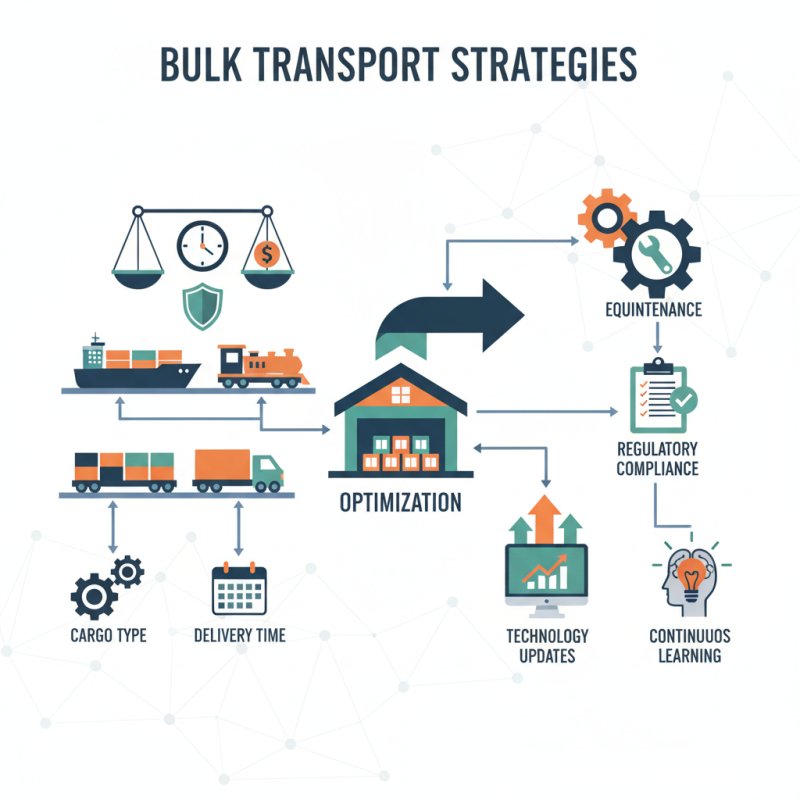
Effective bulk transport requires specialized knowledge. Understanding different modes of transport helps optimize operations. It involves considering factors like cargo type, route, and delivery time. Each decision impacts the overall efficiency of logistics operations. Proper planning can minimize delays and reduce costs.
However, challenges exist in bulk transport. Issues such as equipment failure and regulatory compliance can disrupt plans. Companies must stay informed and adaptable. Regular training and updates on technology are vital. Reflecting on past experiences can reveal areas for improvement. This continuous learning approach helps ensure reliability in bulk transport logistics.
Understanding Bulk Transport: Key Concepts and Terminology
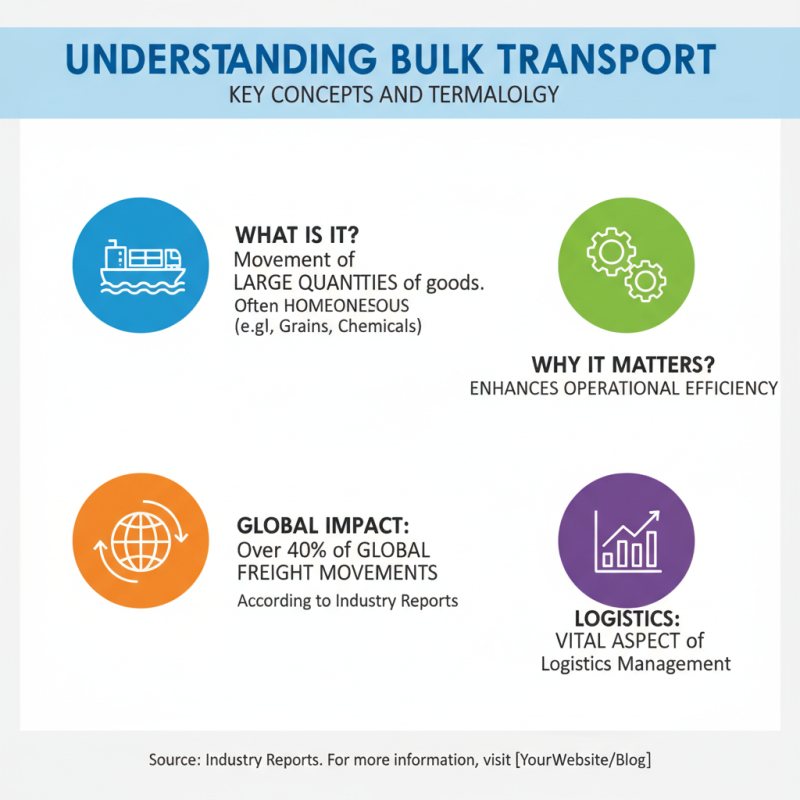
Bulk transport is a vital aspect of logistics management. Understanding key concepts can enhance operational efficiency. Bulk transport refers to the movement of large quantities of goods. These goods are often homogeneous, such as grains or chemicals. According to industry reports, bulk transport accounts for over 40% of global freight movements.
Key terminology includes "tonnage," which measures cargo weight. The concept of "load factor" indicates the percentage of cargo capacity utilized. Metrics like these are essential for optimizing routes and reducing costs. A report by the International Maritime Organization noted that vessels are most efficient at larger capacities. Efficiency can reduce emissions significantly, yet many companies struggle to fully maximize capacity.
Challenges persist in bulk transport logistics. Poor tracking systems can lead to shipment delays. Inaccurate tonnage measurement causes financial losses. Research shows that 30% of logistics costs stem from inefficiencies. Addressing these issues is crucial. It's important for professionals to invest in better systems for tracking and planning. Improving bulk transport strategies can yield significant benefits if approached thoughtfully.
Types of Bulk Transportation Methods: Advantages and Disadvantages
Bulk transportation encompasses various methods. Each has unique advantages and disadvantages that affect logistics efficiency.
Trucking is a commonly used method for bulk transport. It offers flexibility in scheduling and routes. However, road congestion and weather can disrupt timely deliveries. The costs can also rise unexpectedly due to fuel prices.
Rail transport, on the other hand, is more economical for long distances. It can move large quantities over land efficiently. However, logistics can become complex due to fixed rail schedules and routes.
Shipping by water might be ideal for international bulk transport. It allows for significant cost savings on large shipments. Still, it is slower and relies heavily on port efficiency.
Air freight, while the fastest, is expensive and may not be suitable for all types of bulk. Each method serves specific needs but also comes with challenges that require careful consideration.
Balancing efficiency against costs is vital for successful logistics planning.
Strategic Planning for Bulk Transport: Factors to Consider
When planning bulk transport strategies, several key factors demand attention. Understanding logistics demand is crucial. According to the Freight Transportation Services Index, bulk transport volumes make up about 30% of the total freight market. This highlights the importance of effective logistics in managing costs and meeting customer expectations.
Route optimization is essential for efficiency. The right technology can enhance route planning. For instance, using Geographic Information Systems (GIS) helps visualize routes. A recent study shows optimizing paths can reduce fuel costs by up to 20%. However, many companies still lack the necessary tools to analyze their logistics data properly. Investing in software solutions should be a priority.
Collaboration among stakeholders is another factor to consider. Engaging suppliers, carriers, and customers creates better alignment. Clear communication can prevent delays and enhance service levels. Yet, fostering these partnerships requires ongoing effort. Companies often overlook this aspect, leading to missed opportunities for improvement. In an evolving market, those who value collaboration will likely achieve better results.
How to Master Bulk Transport Strategies for Efficient Logistics?
| Transport Method |
Efficiency (%) |
Cost per Ton ($) |
Distance Range (miles) |
Capacity (tons) |
| Rail Transport |
85 |
20 |
500 |
100 |
| Truck Transport |
75 |
50 |
250 |
25 |
| Barge Transport |
90 |
15 |
1500 |
300 |
| Air Transport |
60 |
200 |
1500 |
10 |
| Pipeline Transport |
95 |
10 |
1000 |
500 |
Optimizing Load Management for Efficiency in Logistic Operations
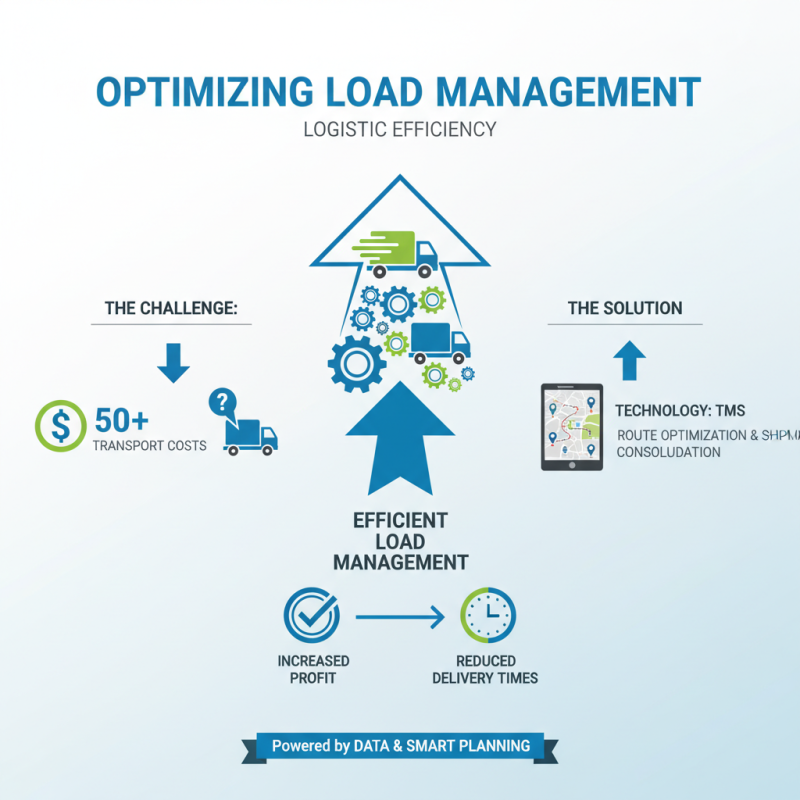
Efficient logistics hinge on effective load management. According to the Council of Supply Chain Management Professionals, transportation costs can account for more than 50% of total logistics expenses. Properly managing these loads can significantly impact a company's bottom line. Utilizing technology, such as transport management systems, helps optimize routes and consolidate shipments. This can lead to substantial savings and decreased delivery times.
Data from the Logistics Management report indicates that companies employing sophisticated load planning techniques can reduce freight costs by up to 10%. However, not every organization fully leverages these strategies. A surprising number still rely on outdated methods, which can lead to wasted resources and increased emissions. This gap highlights an area for improvement in many logistics operations.
Additionally, businesses must be aware of the importance of capacity utilization. Studies show that optimal load management can improve utilization rates from 70% to over 90%. Underutilized loads contribute to inefficiencies. Striving for enhancements in logistics requires ongoing assessment and commitment. There is always room to rethink and refine these strategies for long-term gains.
Technological Innovations Impacting Bulk Transport Strategies
Technological innovations are transforming bulk transport strategies in significant ways. Automation in the logistics sector has streamlined operations. Self-driving vehicles and drones are beginning to play a role in bulk transport, reducing the need for human labor. This not only speeds up delivery but also minimizes human error. However, reliance on technology can introduce vulnerabilities. Cybersecurity threats can compromise logistics networks, leading to potential disruptions.
Moreover, real-time tracking systems enhance visibility throughout the supply chain. These systems allow companies to monitor their shipments closely. Data analytics provides insights into routes, demand fluctuations, and storage needs. By analyzing this data, companies can make informed decisions, optimizing their transport strategies. Yet, data overload may become an issue, impacting decision-making.
Investing in eco-friendly alternatives is another trend. Many businesses are exploring ways to reduce their carbon footprints. Electric and hybrid vehicles, as well as alternative fuels, are gaining traction in bulk transport. While this shift is promising, the infrastructure often lags behind, requiring further investment. Balancing innovation with practical challenges remains an ongoing reflection for logistics professionals. Each strategy must be tailored to fit specific operational needs while also considering broader sustainability goals.
Trends in Bulk Transport Strategies: Technology Impact