What is International Logistics and Why It Matters for Buyers?
International logistics plays a crucial role in global trade. It encompasses the planning, implementation, and control of the flow of goods across borders. According to Dr. John Smith, a leading expert in logistics, "International logistics is the backbone of global commerce." His perspective highlights its importance for buyers.
Understanding international logistics is essential for any business looking to expand. It not only affects cost, but also delivery speed and efficiency. Buyers must navigate complex regulations and varied transportation options. Each decision can impact overall success or failure. There are often uncertainties involved. Not all logistics strategies will yield positive outcomes. Businesses must learn and adapt continuously.
Challenges arise in every supply chain journey. Delays and unexpected costs are common. Buyers should remain vigilant and prepared for such issues. Relying on expert insights and proven strategies can mitigate risks. Overall, international logistics is not just a function; it’s a strategic advantage that matters.
Definition of International Logistics and Its Key Components
International logistics involves the planning and execution of the flow of goods across borders. It includes transportation, warehousing, inventory management, and customs compliance. According to the Council of Supply Chain Management Professionals (CSCMP), ineffective logistics can increase costs by up to 25%. This underscores its importance for businesses engaging in international trade.
Key components of international logistics include freight forwarding, customs brokerage, and distribution. Freight forwarding requires expertise in navigating global shipping routes and regulations. Customs brokerage is crucial for ensuring compliance with import/export laws. The World Bank reports that countries with efficient customs processes can reduce logistics costs by as much as 13%. Moreover, distribution channels vary significantly by region, which can complicate transport strategies.
Challenges exist in international logistics, such as fluctuating regulations and rising costs. Buyers often struggle with unexpected delays. A study by McKinsey & Company found that supply chain disruptions can lead to a 50% increase in delivery times. Engaging experienced logistics partners can mitigate these challenges, although finding the right fit remains a complex task.
Importance of International Logistics in Global Trade and Commerce
International logistics plays a pivotal role in global trade. It involves the movement of goods across borders, linking suppliers and consumers worldwide. According to a report by the World Bank, international logistics costs can account for up to 15% of the value of goods traded. This highlights its significance for buyers aiming to optimize their supply chains.
The efficiency of international logistics directly impacts trade flows and overall economic performance. In 2020, the logistics industry was valued at approximately $4.3 trillion globally. However, inefficiencies in logistics can lead to delays, increased costs, and lost opportunities. Buyers must be aware of port congestion, customs issues, and regulatory compliance to navigate these challenges effectively.
Moreover, the rise of e-commerce has amplified the need for robust international logistics solutions. As consumers expect faster delivery times, companies are pressed to innovate. A 2021 study revealed that 79% of online shoppers consider logistics efficiency when choosing a brand. This statistic underscores the critical link between logistics and customer satisfaction in a highly competitive market. Balancing speed and cost remains a complex challenge for buyers in the ever-evolving landscape of international trade.
Challenges Faced in International Logistics and Their Solutions
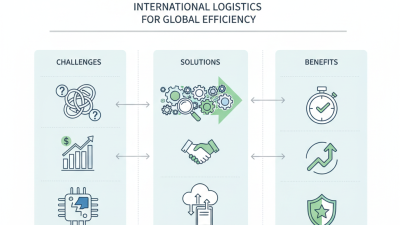
International logistics plays a vital role in the global supply chain. However, it presents several challenges that can impede efficiency. One significant issue is the variability of shipping times. According to industry reports, nearly 30% of shipments encounter delays due to customs inspections or port congestion. These disruptions can lead to increased costs for buyers, who often must manage tight inventory levels.
Another challenge involves compliance with complex regulations. Buyers must navigate different laws and standards across countries, which can be time-consuming. A survey by the International Federation of Freight Forwarders Associations (FIATA) suggested that 33% of logistics companies faced difficulties with regulatory compliance. This can result in costly fines and shipment holds. Effective solutions include leveraging technology for better tracking and utilizing expert consultants to streamline regulatory understanding.
Lastly, fluctuations in transportation costs can significantly impact budgets. The global logistics sector has seen freight rates rise, with reports showing increases of up to 10% in the past year. Buyers need to be agile, adapting to market changes swiftly. Collaborating with reliable logistics partners can provide insights and strategies to address these challenges, enhancing overall supply chain resilience.
Impact of Technology on International Logistics Efficiency
International logistics plays a crucial role in global trade.
Technology has significantly impacted its efficiency. According to a report by McKinsey,
digital tools can improve supply chain efficiency by up to 30%. This is crucial for buyers who face
rising costs and demand for faster delivery.
Automation is now a standard in logistics. Automated warehouses can reduce labor costs
and optimize space. However, integration challenges remain. Not all companies have upgraded their systems.
As found in a recent survey, 65% of firms struggle with outdated technology.
This can lead to delays and increased expenses.
Tip: Regularly assess your technology needs. Ensure your systems are updated to avoid bottlenecks.
Additionally, consider investing in training for staff. Well-informed employees can better navigate these tools.
Data analytics has revolutionized decision-making. Companies use data to predict
trends and manage inventory. Reports suggest that 70% of leading firms use analytics effectively.
Yet, many still rely on intuition over data. This inconsistency can hinder growth.
Tip: Develop a clear data strategy. Encourage teams to make data-driven decisions
to stay competitive. This can boost overall logistics performance and satisfaction among buyers.
Best Practices for Buyers in Managing International Logistics
International logistics is crucial for buyers looking to optimize supply chain efficiency. Effective management of logistics can significantly reduce costs. According to a report by the Council of Supply Chain Management Professionals, global logistics costs accounted for 8% of GDP in 2022. Buyers need to adopt best practices to navigate this complex landscape.
Establishing clear communication channels with suppliers is vital. Frequent updates can help mitigate risks of delays. Buyers should also consider using technology for real-time tracking and inventory management. Data from McKinsey shows that companies using advanced analytics can improve supply chain performance by 15-20%.
**Tip:** Always evaluate your logistics partners carefully. Look for those with a proven track record in international markets.
Buyers must be flexible. Unexpected disruptions can arise from political instability or natural disasters. It's essential to have contingency plans in place to deal with such challenges. Market volatility demands constant adaptation.
**Tip:** Regularly review logistics processes to identify inefficiencies. Small changes can lead to significant improvements over time.
International Logistics Challenges and Solutions
This chart illustrates the major challenges faced by buyers in international logistics and the percentage of solutions being implemented to address these challenges.