How to Choose the Best Sea Freight Options for Global Sourcing?
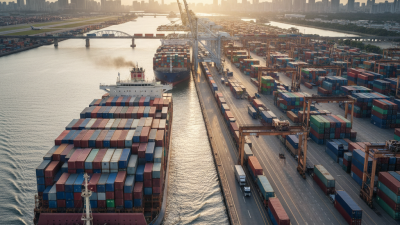
In today’s interconnected world, navigating the complexities of global sourcing requires careful consideration of logistics. Sea freight remains a vital element in international trade. According to the International Chamber of Shipping, around 90% of the world’s goods are transported by sea, underscoring its importance. The efficiency and cost-effectiveness of sea freight make it a preferred choice for many businesses. However, selecting the best sea freight options can be challenging.
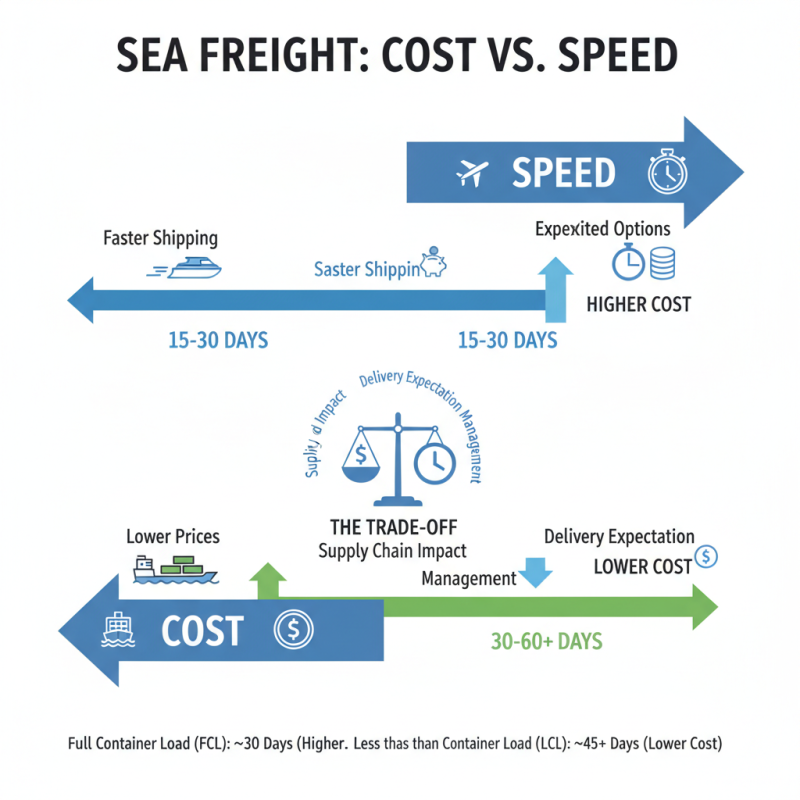
Many factors influence sea freight decisions. These include shipping routes, costs, transit times, and reliability. A recent report by Drewry Shipping Consultants noted that average freight rates have varied significantly in the past few years, reflecting market fluctuations. Companies often face the dilemma of balancing between speed and cost. This often leads to questioning whether cheaper options compromise reliability.
Businesses must also consider their specific needs. Are they shipping perishable goods, or do they require non-stop services? Not all sea freight solutions can meet these unique demands effectively. Evaluating carriers, tracking capabilities, and service levels is crucial. The choice of sea freight impacts not only logistics but also customer satisfaction. Each decision holds weight; small mistakes can lead to challenges in the supply chain.

Understanding Sea Freight Basics for Global Sourcing
Understanding sea freight basics is crucial for global sourcing. It refers to shipping goods via ocean carriers. This method suits bulk supplies and long-distance transportation. Typically, it’s more cost-effective compared to air freight. However, sea freight can be slower, so timing is essential.
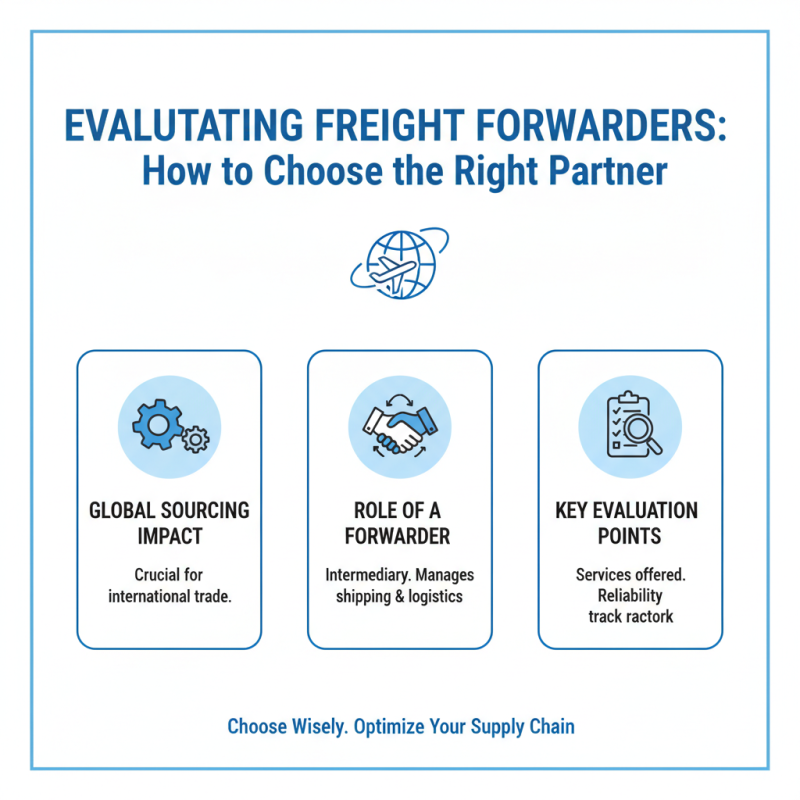
When choosing sea freight options, you should consider several factors. Weight and volume impact costs. Always calculate the freight forwarder's fees against possible delays. Some freight forwarders might offer competitive rates but can't guarantee timely delivery. Don’t forget to check their reliability and customer feedback.
Tips: Start by clearly defining your shipping needs. Knowing the dimensions, weight, and destination helps in seeking quotes. Be cautious about opting for the cheapest option; it might compromise service quality. Communication with your freight forwarder is key. Ask questions to fully understand the process and any hidden fees that may arise.
Key Factors to Consider When Selecting Sea Freight Options
Choosing the right sea freight options is crucial for effective global sourcing. Several key factors must be considered. Cost is often the first concern. According to a report from the World Bank, sea freight can account for 60-80% of total logistics costs. This highlights the need to evaluate various rate structures and additional fees.
Transit time is another critical aspect. The average shipping time via sea can vary from 10 to 45 days, depending on the route and service. Delays can impact inventory levels and customer satisfaction. Companies should analyze routes and select options that align with their supply chain needs.
Carrier reliability is essential as well. A study by the International Maritime Organization found that reliable carriers have a 90% on-time delivery rate. Companies must assess carrier performance records before making a decision. While lowest rates are tempting, they might not always guarantee timely deliveries. Balancing cost, time, and reliability is a complex but essential process.
How to Choose the Best Sea Freight Options for Global Sourcing? - Key Factors to Consider When Selecting Sea Freight Options
| Factor |
Description |
Importance |
Notes |
| Cost |
Evaluate the total shipping costs including freight, insurance, and any additional fees. |
High |
Compare quotes from different providers. |
| Transit Time |
Determine the estimated time for delivery and how it aligns with your needs. |
Medium |
Consider urgency of shipments. |
| Reliability |
Review the service history and reliability of the shipping carrier. |
High |
Look for customer reviews and ratings. |
| Cargo Type |
Identify the nature of the goods being shipped (perishable, hazardous, etc.). |
High |
Ensure compliance with shipping regulations. |
| Port Infrastructure |
Analyze the facilities and services available at the departure and arrival ports. |
Medium |
Consider accessibility and handling capabilities. |
| Flexibility |
Assess the shipping provider's ability to accommodate changes in schedules or routes. |
Medium |
Important for dynamic supply chains. |
| Insurance |
Evaluate cargo insurance options to protect against loss or damage. |
High |
Consider the value of the cargo being shipped. |
Sustainability in Sea Freight: Eco-Friendly Practices to Consider
Sustainability in sea freight is gaining significant attention. The shipping industry accounts for approximately 2.5% of global greenhouse gas emissions. Therefore, adopting eco-friendly practices is crucial for reducing this impact. Implementing technologies like slow steaming can decrease fuel consumption by 15%-20%. This practice can lead to fewer emissions while still maintaining delivery schedules.
Shippers should consider using biofuels. Research shows that biofuels can cut greenhouse gas emissions by up to 80% compared to conventional fuels. When selecting sea freight options, it’s vital to ask about the fuel sources used by carriers. Additionally, some companies now offer carbon offset programs, allowing businesses to invest in renewable energy projects.
Tip: Choose carriers that provide transparency on their sustainability practices.
There are also concerns about shipping routes. Shortening distances not only saves time but reduces emissions. Studies indicate that optimizing routes can result in a 10% reduction in fuel consumption. Moreover, consolidating cargo can make shipments more efficient, minimizing the overall carbon footprint.
Tip: Investigate how your logistics partners optimize their shipping routes.
Incorporating sustainable practices can raise initial costs, yet it builds long-term value. As consumers increasingly demand responsible sourcing, a commitment to sustainability can enhance brand reputation. By prioritizing eco-friendly sea freight options, companies contribute to a healthier planet while potentially reaping financial rewards.
Global Sea Freight Options Analysis
This bar chart presents an analysis of various sea freight options based on key dimensions relevant for global sourcing. The data illustrates cost-effectiveness, sustainability ratings, transit time, carrier reliability, and global reach, providing a visual understanding for better decision-making.