
How to Choose the Right Container Transport Service?

Choosing the right Container Transport service can shape your shipment’s cost, timing, and condition. It is not simply a matter of comparing the lowest quote. A reliable provider should understand port procedures, inland routes, container types, documentation, and cargo-handling risks. Experience matters when a vessel arrives late, a truck misses its collection window, or a container requires special equipment.

Start with the cargo itself. A standard dry container may suit boxed products, while temperature-sensitive goods need monitored equipment and dependable power connections. Check the provider’s route coverage, carrier partnerships, tracking tools, insurance options, and service limitations. Ask how they handle delays, damaged seals, port congestion, and unexpected storage charges. Clear answers often reveal more than polished marketing.

Look for evidence.

Customer reviews, safety records, and relevant industry certifications can support your decision. An experienced logistics team should provide realistic delivery estimates instead of promising perfect schedules. It should also explain every major charge before booking, including terminal fees, chassis costs, fuel adjustments, and customs-related services. However, even careful planning has limits. Weather, equipment shortages, and congestion can disrupt responsible operators.

That uncertainty deserves attention. A provider that admits possible risks may be more trustworthy than one offering effortless guarantees. Request a written service plan with collection times, milestones, contact details, and escalation procedures. Compare at least two or three suitable providers, not just their prices. The strongest Container Transport choice balances expertise, communication, transparent pricing, and practical risk control. Your cargo may be ordinary, but its journey should never be treated casually.
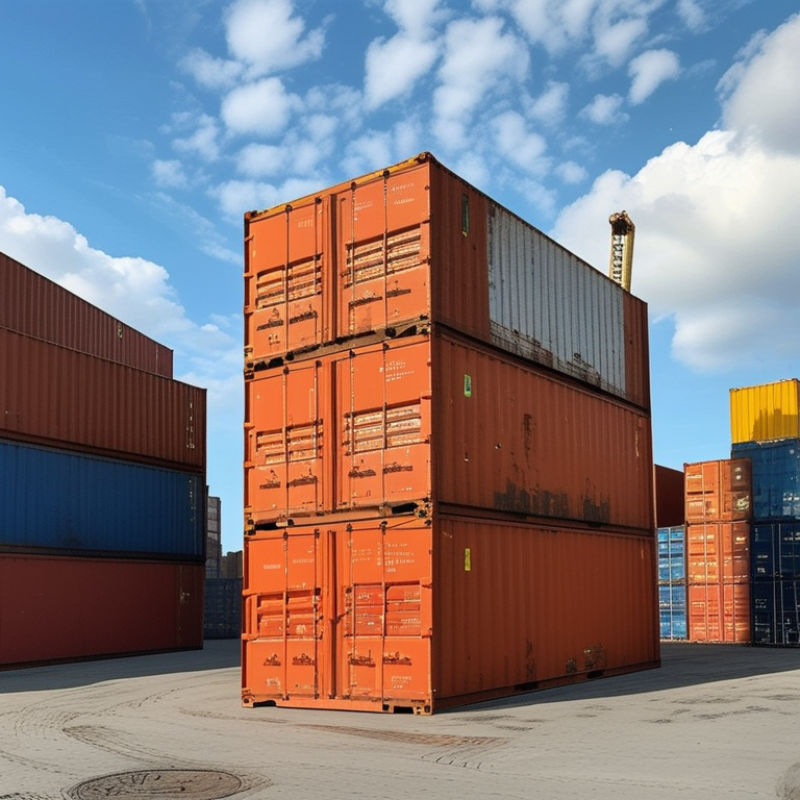
How to Choose the Right Container Transport Service?

Understanding Container Transport Services and Their Main Types

How to Choose the Right Container Transport Service?

Container transport services usually combine ocean, rail, road, and sometimes air freight. Ocean shipping carries around 80% of global merchandise trade by volume, according to UNCTAD’s Review of Maritime Transport 2023. It suits large, non-urgent shipments. Rail offers steadier inland movement across long distances. Road transport connects ports, warehouses, and customers directly. Air freight is faster, but its cost is much higher. Within these modes, shippers may choose FCL for a full container or LCL when cargo shares space with other shipments.

The right choice depends on cargo volume, delivery deadlines, handling risks, and inland access. A 40-foot container may reduce unit costs, but only when the cargo fills it efficiently. Check terminal cut-off times, chassis availability, transshipment points, and door-delivery limits. The World Bank’s Logistics Performance Index 2023 emphasizes reliability, shipment tracking, and timely delivery. Price alone can mislead. A cheaper ocean route may create storage fees after a missed appointment. This happens more often than planning spreadsheets suggest.

Tips: Compare total landed cost, not just the quoted freight rate. Ask for clear responsibility at each handover. Confirm equipment availability before booking. For temperature-sensitive cargo, verify monitoring procedures and emergency contacts. Build a small time buffer. It feels inefficient, but perfect schedules rarely survive port congestion, weather, or documentation corrections. Review the plan after each shipment; even experienced teams miss something.

Defining Your Cargo Requirements and Transportation Priorities

How to Choose the Right Container Transport Service?

Defining Your Cargo Requirements and Transportation Priorities

Choosing container transport starts with knowing the cargo, not comparing prices. Measure each pallet, including its height, weight, and handling needs. Confirm whether you need a standard, refrigerated, open-top, or specialized container. A small measurement error can create loading problems at the terminal. I have seen carefully planned shipments delayed because cargo dimensions were recorded too loosely.

Your delivery priorities should be equally clear. Decide whether cost, transit time, schedule reliability, or cargo protection matters most. Check port cut-off times, loading appointments, chassis availability, and final delivery access. A container may arrive on schedule but still miss your warehouse window. Leave practical buffer time. Tight schedules look efficient, yet they often leave no room for weather or terminal changes. Review insurance terms, tracking options, communication procedures, and documented handling experience before choosing a service.

Tips: Prepare a cargo sheet with dimensions, weights, photos, temperature requirements, and delivery dates. Ask for written pricing and confirm which fees are included. Test your plan against one realistic delay. That exercise may expose weak assumptions. Also, speak with the transport provider about unloading space, road restrictions, and equipment access. A reliable provider should answer clearly and identify risks before booking. Mistakes happen. The important part is finding them early.

Comparing Routes, Transit Times, Costs, and Service Coverage

Choosing a container transport service starts with the route, not the lowest quote. Sea freight carries over 80% of global merchandise trade by volume, according to UNCTAD’s Review of Maritime Transport. Compare direct sailings with transshipment routes. A direct route may cost more, but it usually reduces handling and delay risks. Ask for port pairs, sailing frequency, cutoff times, and documented transit-time ranges.

Transit time should include port handling, customs processing, and inland delivery. The World Bank’s Logistics Performance Index 2023 shows major gaps in shipment tracking, infrastructure, and logistics reliability across economies. Therefore, a “12-day” estimate needs context. Is it port-to-port or door-to-door? Check recent performance data, not only the promised schedule. Small details matter. A missed weekly sailing can add seven days.

Cost comparisons should include origin charges, documentation, terminal fees, fuel adjustments, and destination handling. Industry freight indexes, including the Drewry World Container Index, demonstrate how container prices can change sharply with capacity and disruptions. A cheaper route may become expensive after delays, storage, or equipment repositioning. Service coverage also matters: verify inland networks, empty-container availability, tracking quality, and support hours. No option is perfect. My own checklist would still miss something, so request a written breakdown and test the provider with a small shipment before scaling.

Checking Carrier Reliability, Equipment, Tracking, and Insurance

How to Choose the Right Container Transport Service?

Checking Carrier Reliability, Equipment, Tracking, and Insurance

Checking Carrier Reliability A reliable carrier should provide clear registration details, operating history, and verifiable customer references. Ask how delays, damaged seals, or missed appointments are handled. I once saw a shipment delayed because the booking confirmation lacked a precise pickup window. Small gaps create expensive problems. Request written service terms before payment. Check response times, escalation contacts, and claims procedures. A trustworthy provider does not avoid difficult questions.

Equipment Quality Equipment quality directly affects cargo security. Confirm the container size, type, cleanliness, and inspection status. Ask whether refrigerated units provide temperature records. For general cargo, inspect door seals, flooring, locking bars, and visible dents. Photos taken at handover can support later discussions. Do not assume newer equipment is always better. Availability can change quickly, especially during busy seasons.

Tracking and Insurance Tracking should show meaningful checkpoints, not only a promised arrival date. Useful updates include gate-in, vessel departure, transshipment, customs release, and final delivery. Ask who updates the system when data is missing. Some tracking portals appear precise but rely on delayed manual entries. Insurance needs equal attention. Review cargo limits, deductibles, exclusions, reporting deadlines, and the evidence required for a claim. Confirm whether coverage begins at pickup or only after terminal acceptance. Keep invoices, packing records, condition photos, and signed delivery documents together. Mistakes still happen, even with careful planning.

Selecting the Service and Confirming the Transport Agreement

Choosing the right container transport service starts with matching the provider to your cargo, route, and delivery schedule. A reliable service should explain equipment options, pickup procedures, transit estimates, tracking, and handling responsibilities clearly. Ask how the company manages delays caused by port congestion or severe weather. A confident answer is useful. Vague promises are not.

Before confirming the transport agreement, read every operational detail. Check the container size, collection address, delivery window, loading limits, cargo liability, insurance coverage, cancellation terms, and possible storage or waiting charges. The agreement should identify who handles seals, inspection records, customs paperwork, and damage reports. Keep signed copies and confirm important points by email. I have learned that small assumptions can become expensive disputes. I once overlooked a timing clause, and the schedule became harder to change than expected.

Tips: Request a written quotation with every extra charge listed. Confirm whether tracking updates are automatic or requested. Photograph the container before loading, including its doors, floor, and visible marks. Use a contact person who responds during working hours. If a clause feels unclear, ask for a plain explanation before signing. Trust matters, but written evidence matters more.

How to Choose the Right Container Transport Service? - Selecting the Service and Confirming the Transport Agreement

Decision Dimension What to Evaluate Common Options or Requirements Recommended Selection Approach Agreement Confirmation Point
Shipment Type Cargo characteristics, weight, volume, value, and handling sensitivity Dry cargo, refrigerated cargo, hazardous goods, oversized cargo, or high-value goods Choose equipment and handling procedures that match the cargo rather than selecting only by price Cargo description, gross weight, dimensions, temperature range, and special handling instructions
Container Size and Type Internal capacity, payload limits, door dimensions, and equipment availability Common sizes include 20-foot and 40-foot containers; high-cube units provide additional internal height; specialized units may be required for temperature-controlled or unusual cargo Select the smallest suitable container that safely accommodates the cargo and loading method Container type, quantity, maximum cargo weight, container condition, and inspection responsibility
Transport Mode Required speed, cost sensitivity, route distance, and cargo urgency Ocean freight for international container movement; rail or road for inland transport; combined solutions for door-to-door delivery Compare total door-to-door transit time and cost instead of comparing one transport leg only Transport legs, transfer points, estimated transit time, and responsibility at each handover
Service Scope Whether the service covers port-to-port, door-to-port, port-to-door, or door-to-door movement Pre-carriage, export handling, main carriage, import handling, customs coordination, and final delivery Use a clearly defined end-to-end scope when multiple parties or transport legs are involved Exact pickup and delivery addresses, included services, exclusions, and subcontracting arrangements
Transit Time Estimated sailing time, inland lead time, port dwell time, and possible schedule changes Planned transit time, cut-off time, estimated arrival, delivery appointment, and buffer time Allow additional time for customs, port congestion, weather, holidays, and equipment shortages Schedule basis, delay notification procedure, estimated arrival wording, and any service commitment
Pricing Structure Base freight, origin and destination charges, fuel-related costs, handling, documentation, and taxes Quoted freight rate, terminal charges, drayage, customs-related fees, storage, detention, demurrage, and surcharges Request an itemized quotation with currency, validity period, tax treatment, and assumptions Rate validity, included and excluded charges, payment currency, payment schedule, and change conditions
Free Time and Additional Charges Number of free days and the point at which storage, detention, or demurrage begins Free time may differ by location, container type, cargo type, terminal, and import or export movement Match the free-time allowance to the expected customs and delivery process Free-time start and end events, daily rates after expiry, weekend treatment, and approval process for extensions
Documentation Documents required for booking, customs, cargo release, and delivery Commercial invoice, packing list, transport document, origin information, permits, and security filings where applicable Prepare a document checklist based on the origin, destination, cargo, and applicable regulations Document responsibilities, submission deadlines, amendment fees, and consequences of inaccurate information
Customs and Regulatory Compliance Import restrictions, export controls, tariffs, permits, product classifications, and security requirements Customs brokerage support, filing coordination, inspection handling, and regulatory documentation Confirm which party acts as importer or exporter of record and obtain professional customs advice when needed Compliance responsibilities, data accuracy obligations, inspection costs, and liability for penalties or delays
Cargo Insurance and Liability Cargo value, transport risks, coverage limits, exclusions, and claim procedures Carrier liability may be limited by applicable law or transport terms; separate cargo insurance may provide broader protection Assess insurance based on cargo value and risk exposure rather than assuming standard carrier liability is sufficient Liability limits, claim notification period, evidence requirements, exclusions, and insurance certificate requirements
Tracking and Communication Shipment visibility, milestone updates, exception alerts, and communication channels Booking confirmation, container release, gate-in, departure, transshipment, arrival, customs release, and delivery updates Select a service with clearly assigned contacts and defined escalation procedures Update frequency, reporting format, response time, emergency contact, and delay escalation process
Loading and Delivery Conditions Loading method, site access, equipment requirements, delivery hours, and unloading responsibility Live loading, drop-and-hook, chassis requirements, appointment delivery, tailgate service, or inside delivery Confirm site restrictions, loading readiness, safe cargo securing, and delivery appointment requirements in advance Waiting-time charges, failed-delivery fees, unloading duties, equipment requirements, and proof-of-delivery terms
Special Cargo Controls Temperature, dangerous-goods classification, ventilation, moisture protection, or handling restrictions Reefer temperature settings, dangerous-goods declarations, approved packaging, labels, and emergency information Provide accurate technical details before booking and verify regulatory acceptance on every transport leg Operating instructions, monitoring responsibility, emergency procedures, rejection conditions, and extra charges
Contract Terms Applicable transport terms, governing law, dispute resolution, force majeure, and service limitations Standard transport conditions, booking confirmation, rate agreement, service schedule, and shipment-specific instructions Read the incorporated terms and ensure they do not conflict with the commercial quotation or operating requirements Document priority, acceptance method, amendment rules, cancellation terms, and termination rights
Sustainability and Efficiency Empty-container movements, route efficiency, modal alternatives, and emissions reporting Rail alternatives for inland legs, consolidated planning, optimized routing, and shipment emissions data Compare environmental performance using a consistent shipment scope and calculation method Reporting method, calculation assumptions, data frequency, and any sustainability obligations
Final Approval Checklist Whether all operational, financial, compliance, and risk details are documented before booking Approved quotation, confirmed schedule, equipment allocation, complete documents, delivery plan, and authorized contacts Use a written confirmation that reconciles the quotation, booking details, and transport agreement Obtain confirmation of price, scope, schedule, responsibilities, liability, payment terms, and change procedures
Note: Final requirements, charges, liability limits, customs procedures, and transit times depend on the selected route, cargo, equipment, transport mode, and applicable local regulations. Confirm all shipment-specific details in writing before the container is released or dispatched.