Central Asia Rail Transport What Global Buyers Need to Know
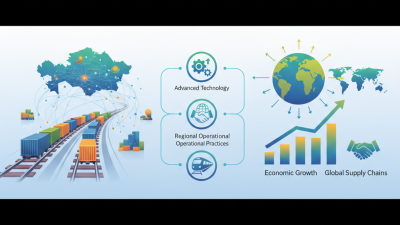
Central Asia Rail Transport is rapidly evolving as a crucial link in global supply chains. The region boasts strategic rail networks that connect Europe and Asia. Buyers exploring this market must understand its dynamics.
Investments in infrastructure are essential. Countries in Central Asia are modernizing their rail systems. This modernization increases efficiency and reduces transit times. However, challenges such as customs delays and varying regulations exist. Buyers should prepare for potential hiccups in their logistics.
Navigating this landscape requires expertise. Collaborating with local partners familiar with Central Asia Rail Transport can mitigate risks. Companies must stay informed about ongoing developments. Being adaptable can lead to successful ventures in this vibrant region.
Overview of Central Asia's Rail Transport Network
Central Asia's rail transport network is crucial for global logistics. With over 50,000 kilometers of track, it connects key cities across Kazakhstan, Uzbekistan, and Kyrgyzstan. The network is expanding, reflecting a growing demand for efficient transportation. In 2022, rail freight volumes in the region reached approximately 40 million tons, showcasing its significance in international trade.
However, challenges exist. Infrastructure often suffers from outdated technology. The World Bank estimates that investment could boost efficiency by 20%. Despite this, the average speed of freight trains operates at a disappointing 30 kilometers per hour in some areas. Upgrading signaling systems can address safety and speed concerns.
Moreover, the political landscape can complicate operations. Cross-border regulations vary significantly. For example, inconsistent customs procedures can delay shipments. Companies should be aware of these barriers while planning logistics. Reliable data is scarce, making it difficult to assess risks accurately. Therefore, understanding Central Asia’s rail dynamics is vital for global buyers.
Key Rail Corridors Connecting Central Asia to Global Markets
Central Asia is becoming a significant rail transport hub. Key rail corridors connect this region to global markets. The
Trans-Caspian International Transport Route is one of the most important. It links China to Europe via Central Asia,
enhancing trade flows significantly.
According to the International Transport Forum, rail transportation can reduce costs by 15% compared to road.
Another vital connection is the
China-Europe Railway Express. This service cuts transit time drastically. For example, it takes only about
12 days to reach destinations in Germany. This is a game-changer for global logistics. Yet, challenges remain.
Infrastructure is often outdated and needs improvement. Many railways in Central Asia face issues with capacity and delays.
Understanding the capacity of these corridors is crucial. Reports indicate that the rail networks can expand by over
50% to meet demand. However, investments in modern signaling and better tracks are necessary. Buyers seeking to utilize these routes must also
consider political stability in the region. Fluctuating regulations can impact shipping times and costs. All these factors play a role in how effectively
Central Asia can serve global markets.
Regulatory Framework Impacting Rail Transport in Central Asia
The regulatory framework surrounding rail transport in Central Asia is complex and multifaceted. Each country in the region has unique regulations, impacting freight movements significantly. Central Asian nations have made efforts to harmonize their rules, but gaps still exist. For instance, differing customs procedures can delay shipments. Buyers must navigate these challenges carefully.
Moreover, infrastructure investment is a crucial aspect of rail transport regulation. Some countries have prioritized railway modernization to improve trade efficiency. Yet, others may lag, resulting in inconsistencies. Quality and safety standards can vary widely. Buyers often find it challenging to ensure compliance across borders.
Addressing these regulatory challenges requires expertise. Understanding local laws is essential for successful logistics planning. Buyers need to remain adaptable, as regulations can change suddenly. Collaboration with local logistics partners can provide valuable insights. Continuous learning about the evolving landscape is critical in this dynamic environment.
Central Asia Rail Transport: What Global Buyers Need to Know - Regulatory Framework Impacting Rail Transport in Central Asia
| Country |
Regulatory Authority |
Key Regulations |
Compliance Requirements |
Impact on Global Trade |
| Kazakhstan |
Ministry of Industry and Infrastructural Development |
Rail Transport Code, Customs Regulations |
Safety standards compliance, licensing |
Facilitates connectivity with China and Europe |
| Uzbekistan |
Uzbekistan Railways |
Railway Transportation Act, tariffs |
Import/export documentation procedures |
Opens access to regional markets |
| Kyrgyzstan |
Ministry of Transport and Communications |
Transport Code, trade agreements |
Cargo tracking and safety compliance |
Improves transit times for goods |
| Turkmenistan |
State Agency for Transport and Communications |
Rail Transport Law, international treaties |
Licensing and regulatory compliance measures |
Strategic link between Asia and Europe |
| Tajikistan |
Ministry of Transport |
Railway Transport Code, safety norms |
Cross-border transport agreements |
Enhances supply chain logistics |
Challenges and Opportunities for Global Buyers in Rail Logistics
Central Asia's rail transport is both a gateway and a challenge for global buyers. The region offers a unique link between Europe and Asia. However, navigating this system can be complex. Infrastructure varies greatly across countries. Some areas have modern facilities, while others lack basic maintenance. This inconsistency creates hurdles for timely deliveries.
Cost is another factor to consider. While rail is often cheaper than air transport, unforeseen charges can arise. Delays and customs complexities may increase overall expenses. Buyers should engage with local experts to navigate these intricacies effectively. Building relationships with reliable partners can mitigate risks associated with transit times and service quality.
Moreover, understanding regional regulations is crucial. Different countries may have unique requirements that affect shipping. Staying informed about these regulations can prevent costly errors. Flexibility and adaptability are essential traits for success here. Embracing these challenges can uncover opportunities for strategic growth. With careful planning, rail logistics in Central Asia can enhance supply chain efficiency.
Future Trends in Central Asia's Rail Transport Development
Central Asia's rail transport is evolving, shaped by new infrastructure projects and economic necessities. Significant investments have been made to enhance connectivity within the region and beyond. Key corridors are being developed to support trade routes, which may boost regional commerce. However, challenges persist. Aging infrastructure and inconsistent service quality can hamper progress.
The future of rail transport in Central Asia hinges on improved reliability. Buyers must navigate fluctuating regulations and logistical hurdles. Environmental concerns are also rising, prompting a need for sustainable practices. Emerging technologies are being adopted, but adaptation rates vary dramatically across countries. The focus should be on efficiency and minimizing delays.
Partnerships could play a vital role in bridging gaps. International collaborations may foster best practices. As demands grow, flexibility will be essential. Rail systems need to adapt to shifting market trends while considering local contexts. Continuous investment in training and development remains crucial to ensure a skilled workforce that can meet these evolving demands.