Top Bulk Transport Solutions in China for Global Buyers?
As the global economy continues to expand, the demand for efficient bulk transport solutions in China is surging. According to industry reports, the bulk transport sector is projected to grow by 7.5% annually, driven by increasing trade and industrial activity. Bulk transport involves the movement of large quantities of goods, ranging from raw materials to food products. This sector is vital for manufacturers, exporters, and importers.
In recent years, maritime transport has emerged as a predominant mode for bulk shipping. The vast Chinese coastline and advanced port facilities significantly enhance operational efficiency. Yet, challenges remain. High logistics costs and the need for sustainable practices put pressure on companies to innovate. Efficient bulk transport solutions are essential for meeting market needs and reducing waste in the supply chain.
Importantly, the competitive landscape is evolving. Emerging players are introducing cost-effective alternatives. However, this also raises concerns about quality and reliability. As global buyers look toward China, understanding the nuances of bulk transport becomes critical for long-term success. Balancing efficiency, cost, and environmental impact will be key for stakeholders in this dynamic market.
Overview of Bulk Transport Solutions in China
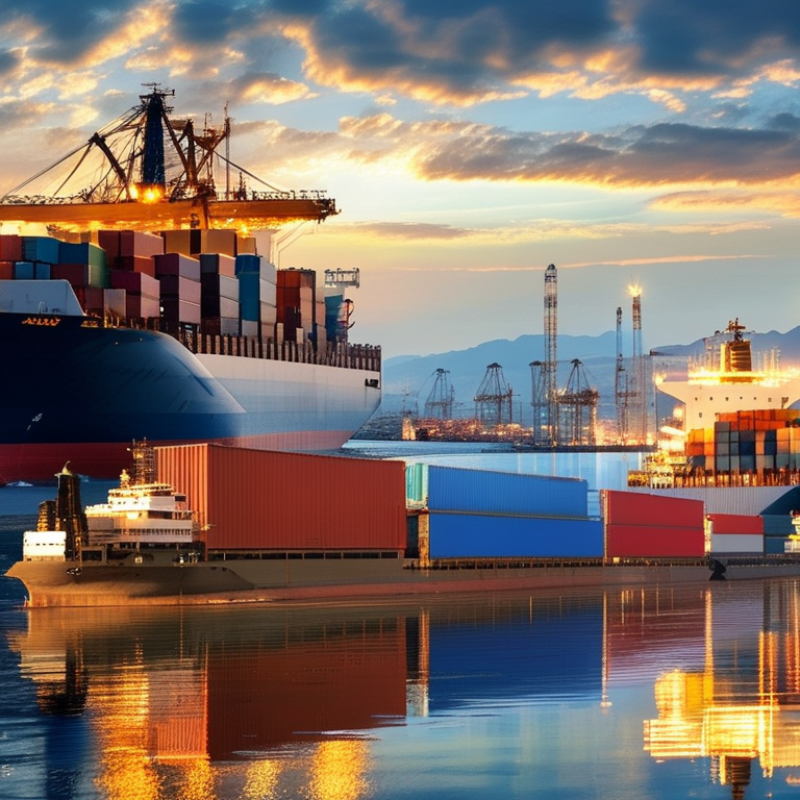
China's bulk transport solutions play a critical role in global trade. The country's extensive infrastructure supports various products, including grains, chemicals, and minerals. According to the International Maritime Organization, over 80% of international trade by volume is transported by sea. China's shipping network exemplifies this trend, ensuring efficiency and reliability.
This sector benefits from advanced logistics and technological innovations. For example, the use of digital platforms facilitates real-time tracking of shipments. A report by McKinsey highlights that investing in digital tools can improve operational performance by up to 30%. Shippers who embrace technology can enhance their competitiveness in the market.
**Tip:** Consider the environmental impact when selecting bulk transport options. Evaluating carbon footprints can lead to more sustainable practices. Additionally, engaging with local logistics experts may uncover hidden efficiencies. Remember, not all bulk transport solutions are compliant with global standards, so thorough research is essential.
Top Bulk Transport Solutions in China for Global Buyers
| Transport Method |
Capacity (Tons) |
Typical Cost (per Ton) |
Transit Time (Days) |
Best Use Case |
| Bulk Carrier Ship |
50,000 - 200,000 |
$30 |
20 - 30 |
Dry bulk commodities |
| Rail Freight |
1,000 - 10,000 |
$50 |
5 - 15 |
Bulk materials over land |
| Container Trucking |
5 - 30 |
$150 |
1 - 5 |
Local distribution and short hauls |
| Pipelines |
Variable |
$0.01 - $0.05 |
Continuous |
Liquids and gases |
| Barge Transport |
1,500 - 15,000 |
$25 |
10 - 20 |
Inland water transport |
Key Players in China’s Bulk Transport Industry
China's bulk transport industry plays a pivotal role in global supply chains. According to industry reports, over 60% of bulk goods are transported via maritime routes. Major ports in China, such as Shanghai and Ningbo, handle massive volumes of transshipments. These facilities constantly upgrade their technology to improve efficiency. Automation and digital tracking systems are becoming standard. However, challenges remain in maintaining infrastructure.
Key players in the industry include shipping companies and logistics providers. They compete fiercely for market share. In 2022, the bulk transport sector was valued at approximately $90 billion, with expectations of steady growth. Yet, the industry faces issues, such as increasing fuel prices and regulatory pressures. These factors can lead to higher operational costs. Companies must innovate to navigate these hurdles.
Many players are exploring sustainable practices. Initiatives include using biofuels and optimizing routes to reduce emissions. However, transitioning to greener practices can be slow. There is a need for more investment in technology. Standardizing operations across regions presents additional challenges. Effective collaboration is essential for future advancements in the bulk transport sector.
Types of Bulk Transport Methods Available in China
When it comes to bulk transport solutions in China, various methods are essential for meeting the demands of global buyers. Notably, shipping by sea remains the dominant choice. According to data from the International Maritime Organization, around 90% of the world's cargo is transported by sea, underscoring its significance. Bulk carriers, specialized vessels for large quantities of raw materials, play a crucial role in this sector.
Another notable method is rail transport, particularly for domestic shipments. China's extensive railway network allows for quick and efficient movement of bulk goods. Research from the China National Railway Group indicates that freight trains can transport large volumes at reduced costs. However, infrastructure limitations can sometimes pose challenges, creating delays and impacting efficiency.
Road transport also holds importance for shorter distances. Trucks provide flexibility and access to remote locations. However, traffic congestion and regulatory barriers can hinder timely deliveries. A balance of these methods is necessary for optimizing bulk logistics in China. Adapting to market demands and overcoming these hurdles remain ongoing challenges for many businesses.
Top Bulk Transport Solutions in China for Global Buyers
Challenges Faced by Global Buyers in Bulk Transport
Global buyers face numerous challenges when navigating bulk transport solutions in China.
One major issue is the complexity of logistics.
Coordinating shipments often involves various stakeholders, including suppliers, freight forwarders, and customs officials.
Poor communication among these parties can lead to delays and increased costs.
Many buyers struggle to find reliable partners who understand their specific needs in a timely manner.
Additionally, fluctuating regulations can complicate bulk transport.
Changing laws regarding tariffs and inspections can affect shipment timelines and costs.
Buyers need to stay informed about these regulations
to avoid unexpected hurdles. Many find it challenging to keep up with such changes,
which could impact their competitive edge.
Another concern is the quality of service provided by transport companies.
Some buyers report inconsistencies in service levels, which can lead to damaged goods or lost shipments.
Trusting a logistics partner requires careful consideration.
A lack of transparency in the shipping process adds to these frustrations.
Buyers often reflect on their partners' reliability after experiencing setbacks,
driving home the importance of due diligence in this industry.
Best Practices for Selecting Bulk Transport Partners in China
When selecting bulk transport partners in China, ask critical questions. Understand their capabilities and infrastructure. According to a report by the China Communications and Transportation Association, over 80% of logistics delays are linked to inadequate communication.
Evaluate their experience in similar industries. Look for partners who understand your specific needs. A company experienced in bulk transport can avoid common pitfalls. Recent data suggests that firms with specialized knowledge reduce shipping errors by up to 30%.
Tips: Always ask for recent case studies. This can reveal how well they adapt to challenges. Assess their technology use – effective tracking and reporting tools enhance transparency. Collaborate with local experts to navigate regulatory standards and optimize routes. They can indicate potential concerns early on, saving you time and costs. Make sure to review customer testimonials. This gives insight into their reliability and service quality.