2026 Best Central Asia Rail Transport Innovations and Trends?
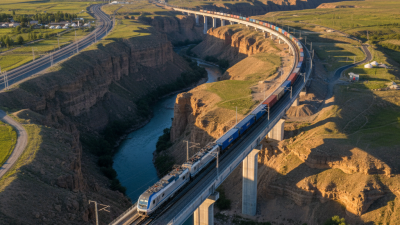
The Central Asia Rail Transport sector is evolving rapidly. Innovations and trends are emerging as countries embrace new technologies and practices. Dr. Amina Sariev, a leading expert in this field, notes, "The future of Central Asia Rail Transport lies in integration and sustainability." Her insights highlight the focus on enhancing connectivity and efficiency.
Recent developments show a shift toward smarter rail systems. Countries in this region are upgrading infrastructure and adopting digital solutions. This evolution brings both opportunities and challenges. For instance, while high-speed trains promise quicker travel, they require significant investments. The balance between cost and benefit remains a topic for discussion.
Moreover, environmental considerations are gaining importance. Green technologies are increasingly integrated into rail transport systems. Although there is progress, the pace of change often raises concerns about readiness and effectiveness. The path forward in Central Asia Rail Transport will need careful navigation to address these complex issues.

Emerging Technologies in Central Asia's Rail Transport by 2026
Central Asia's rail transport is set to undergo significant transformations by 2026. Emerging technologies will play a pivotal role in this evolution. Innovations such as AI-based logistics systems can streamline operations, enhancing efficiency and reducing delays. Upgraded signaling systems will improve safety and communication among trains, which is vital in a region with challenging terrain.
Consider the potential of smart sensors. These devices can monitor track conditions in real-time, alerting teams to maintenance needs. This proactive approach could prevent accidents and extend the lifespan of rail infrastructure. However, the integration of these technologies raises questions about cybersecurity. Protecting sensitive data is crucial, yet current measures may not be enough to prevent breaches.
Moreover, the application of alternative energy sources is gaining momentum. Solar panels installed along tracks can provide sustainable power solutions. Although promising, the implementation of these projects may face logistical challenges. Balancing innovation with practicality remains an ongoing concern for stakeholders in the rail sector.
2026 Best Central Asia Rail Transport Innovations and Trends
This chart illustrates the predicted impact scores of various innovations in Central Asia's rail transport sector by 2026. Each innovation's score reflects its potential effectiveness in improving efficiency, sustainability, and overall performance in the rail industry.
Sustainable Practices in Rail Transport Innovations Across Central Asia
Sustainable practices are transforming rail transport in Central Asia. A recent report by the Asian Development Bank highlighted the importance of energy efficiency in rail systems. This initiative could reduce greenhouse gas emissions by up to 30% by 2025. This transition toward greener technologies is essential given the region's unique environmental challenges.
Electric rail options are becoming more common. For instance, several Central Asian countries are investing in electric train sets. These developments significantly decrease reliance on fossil fuels. Additionally, improved infrastructure can enhance energy consumption efficiency by around 15%. However, challenges remain in the implementation of these innovations. Some railways still lack adequate funding and technological expertise.
The integration of renewable energy sources is crucial. Solar panels installed at rail stations can provide necessary energy. Reports indicate that integrating solar energy can lower operational costs by 20%. However, the implementation pace is slow. Many regions lack clear guidelines or incentives for adopting such technologies. This gap poses significant hurdles to achieving sustainability goals across Central Asia's rail network.
Key Players and Stakeholders Driving Rail Transport Trends in 2026
Central Asia's rail transport sector is witnessing exciting innovations in 2026. Key players are redefining how goods and passengers move across this strategic region. Stakeholders include government agencies, private operators, and technology firms, each playing a crucial role. These entities are focused on enhancing system efficiency. For instance, digital tracking tools are becoming more prevalent. They promise better asset management and reliability.
In addition to technology, partnerships between countries are essential. Collaborative efforts encourage investment in infrastructure. Improved rail connectivity can stimulate local economies. While advancements are promising, challenges remain. Not all regions benefit equally from the innovations. Some areas struggle with outdated infrastructure, hindering progress. Continuous dialogue among stakeholders is vital for sharing best practices and addressing gaps.
Sustainability also shapes rail transport strategies. Eco-friendly technologies are being developed. Stakeholders must navigate the fine line between progress and environmental impact. Balancing growth with ecological responsibility is a challenge that requires careful thought. The evolving landscape of Central Asia's rail transport may present opportunities and obstacles. The focus should remain on inclusive solutions that cater to diverse regional needs.
Impact of Digitalization on Central Asia's Rail Transport System
Digitalization is reshaping the rail transport system in Central Asia. This transformation enhances efficiency and connectivity. Smart technologies are being integrated into operations. Real-time tracking of trains is now possible. This helps in reducing delays and improving passenger satisfaction.
However, the transition is not without challenges. Many railway companies face outdated infrastructure. Investments in technology must balance with maintaining existing systems. Training personnel to use new tools can be a hurdle. A skilled workforce is crucial for successful implementation.
Tips: Consider using mobile apps for scheduling. They can provide timely updates and improve user experience. Engage with local communities for feedback. Understanding their needs can drive better solutions in rail transport systems. Fostering collaboration among stakeholders is essential to overcome barriers and ensures all voices are heard.
Future Challenges and Opportunities in Central Asia's Rail Transport Entwicklung
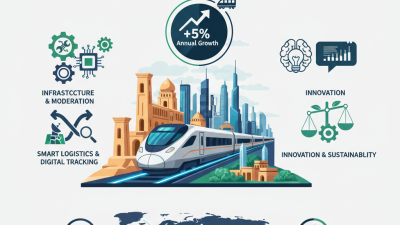
Central Asia's rail transport faces significant challenges and opportunities. As the region aims to modernize its infrastructure, it grapples with aging systems and limited investment. According to the Asian Development Bank, rail freight volumes in Central Asia could grow by 5% annually by 2026 if modernization and efficiency improvements are implemented.
Only 20% of rail lines meet international standards, limiting regional connectivity. Amid these obstacles, the potential for economic growth is substantial. Enhanced rail networks could link landlocked countries more effectively, benefiting trade. Reports suggest that efficient rail transport systems could reduce logistics costs by up to 30%, making the region more competitive globally.
Investment in technology is crucial. Innovations such as digital tracking and predictive maintenance could improve reliability and safety. Yet, the region must navigate bureaucratic hurdles and regulatory inconsistencies. Attaining a seamless operational framework remains a barrier. Overall, Central Asia's rail future hinges on policy reforms and collaborative efforts among stakeholders.
2026 Best Central Asia Rail Transport Innovations and Trends
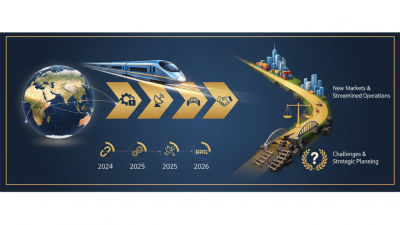
| Innovation/Trend |
Description |
Impact on Rail Transport |
Year of Implementation |
| Electrification of Railways |
Transitioning from diesel to electric-powered trains to improve efficiency. |
Reduces emissions and operational costs, enhances travel speed. |
2025 |
| Smart Ticketing Systems |
Integrated digital ticket platforms for easier travel management. |
Increases passenger convenience and operational efficiency. |
2026 |
| Advanced Freight Monitoring |
Utilizing IoT for real-time tracking of freight movements. |
Enhances logistics management and reduces delays. |
2024 |
| High-Speed Rail Development |
Investments into high-speed rail networks connecting major cities. |
Decreases travel time significantly, boosts regional economies. |
2026 |
| Carbon Footprint Reduction Initiatives |
Programs aimed at minimizing environmental impact through innovative practices. |
Supports sustainability goals and enhances public image. |
2025 |