Top 10 Reasons to Choose Sea Freight for Your Shipping Needs?
When it comes to shipping goods, many businesses face a critical choice: which method to use? Sea Freight stands out as a compelling option. This method not only supports large shipments but also offers notable cost advantages. Imagine shipping containers filled with products, all transported across oceans. The logistics of it can be daunting, yet sea freight makes it possible.
Choosing sea freight often means dealing with longer transit times. Customers must weigh the benefits against their urgent needs. Patience may be required, and businesses might struggle with inventory management during this time. However, the true value lies in the affordability and capacity of sea freight. It can handle bulky items and significant volumes, reducing overall shipping costs.
Moreover, businesses must consider their environmental impact. Sea freight tends to be more eco-friendly compared to air freight. This choice aligns with sustainable practices, contributing to a greener future. However, delays and uncertainties can pose challenges. Companies should reflect on their shipping priorities before making a decision. Ultimately, sea freight presents unique advantages worth exploring for shipping needs.
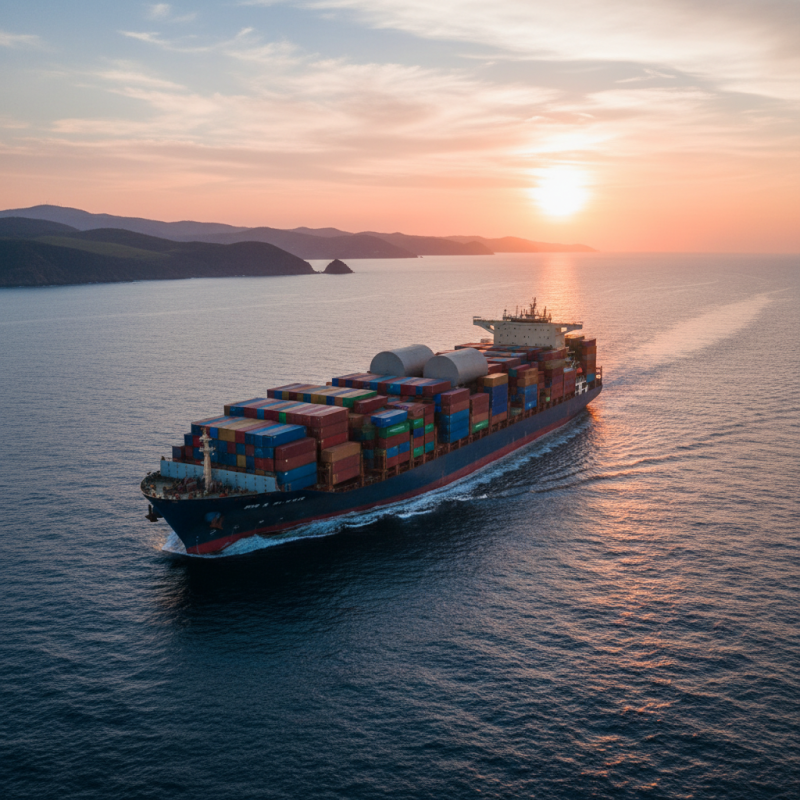
Benefits of Cost-Effectiveness in Sea Freight Shipping
Sea freight is a popular choice for shipping goods across long distances. One major advantage is its cost-effectiveness. Shipping by sea often reduces transportation costs significantly compared to air freight. For bulky items, sea freight provides a viable solution that saves money. Many businesses find that even with longer transit times, the costs remain favorable.
With sea freight, you can ship larger quantities at once. This bulk shipping reduces the cost per unit. Additionally, some ports offer lower fees than others. This can create more savings for businesses when planning logistics. However, it’s crucial to consider factors such as shipping duration. Waiting weeks for delivery can be challenging for time-sensitive goods.
In some cases, unexpected delays can occur due to weather or port congestion. These issues can complicate planning. Yet, many businesses appreciate the trade-off between cost and time. The key is to assess shipping needs clearly before deciding. Balancing these factors will help determine if sea freight aligns with your goals.
Environmental Advantages of Choosing Sea Freight Transport
Sea freight is gaining popularity for its environmental benefits. According to the International Maritime Organization, shipping by sea emits about 1,000 grams of CO2 per ton-mile. This is significantly lower than air freight, which emits around 1,700 grams. Choosing sea transport helps reduce your carbon footprint.
Waterways are among the most energy-efficient methods for transporting goods. Sea freight can move large volumes, minimizing the number of trips needed. In fact, one container ship can carry the same load as over 700 trucks. This efficiency not only cuts emissions but also reduces road congestion.
Yet, there are challenges to consider. The slow speed of sea freight can lead to longer delivery times. This may not suit urgent shipments. Additionally, port congestion can affect schedules. Despite these issues, the eco-friendly aspect of sea freight remains essential in an era emphasizing sustainability in logistics.
Top 10 Environmental Advantages of Sea Freight Transport
The chart above illustrates the top 10 environmental advantages of choosing sea freight transport. Each advantage is scored based on its positive impact on the environment, showcasing why sea freight is often a more sustainable option compared to other shipping methods.
Comparison of Sea Freight vs. Air Freight for Shipping Needs
When comparing sea freight and air freight, cost is a critical factor. Sea freight is generally more economical for large shipments. Reports show that sea freight can be up to 80% cheaper than air freight. This significant cost difference makes it appealing for businesses with large cargo. However, it does take longer. Depending on the route, sea freight can take weeks, while air freight can deliver in days.
Another essential aspect is the capacity for cargo. Sea freight services can handle substantial volumes, often limited only by the size of the vessel. A container ship can carry thousands of tons of goods. This is particularly beneficial for bulk items like grains or minerals. In contrast, air freight has strict size and weight limits. This can be a limitation for businesses needing to ship large or heavy goods.
However, reliability in time-sensitive deliveries leans heavily towards air freight. While sea freight can be cost-effective, delays from weather, customs, or route changes are common. These can lead to frustration for businesses that demand timely shipping. An industry report highlights that 30% of sea freight shipments experience delays. This aspect requires careful consideration based on business needs and priorities.
Flexibility and Capacity of Shipping Large Volumes by Sea
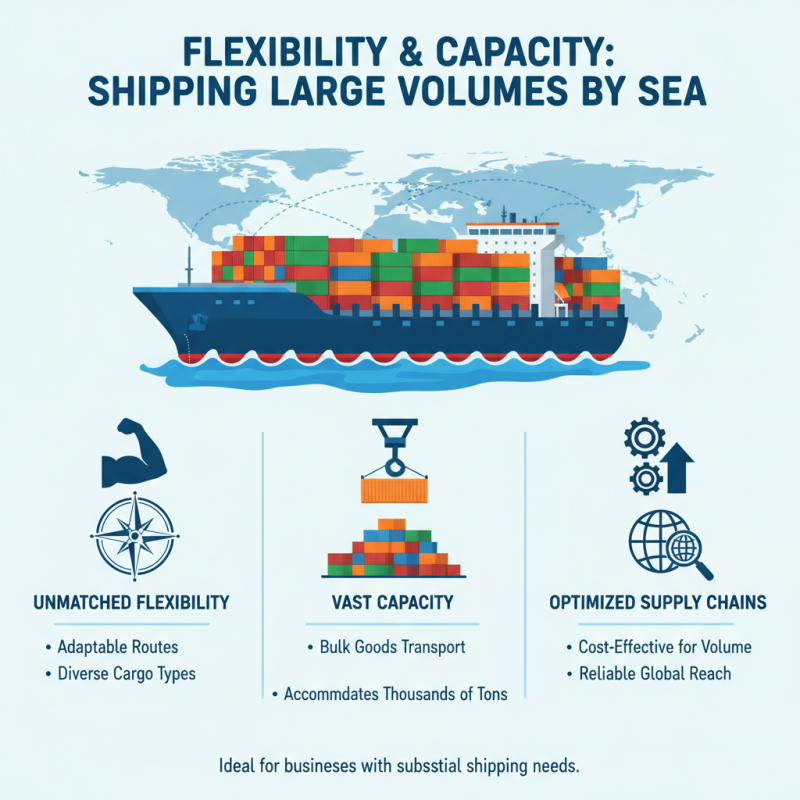
Shipping goods by sea offers unmatched flexibility and capacity, especially for large volumes. Ships can accommodate vast amounts of cargo, making them ideal for businesses with substantial shipping needs. A single container ship can carry thousands of tons of goods, allowing companies to optimize their supply chains effectively.
While sea freight can handle large shipments, it is essential to consider the transit times. Shipping by sea often takes longer than air freight. This aspect requires careful planning to ensure timely delivery. Often, businesses may overlook this factor, leading to delays in their operations. Additionally, coordinating multiple shipments can become complex.
Another consideration is the environmental impact. While sea transport is generally more eco-friendly per ton-mile than other methods, it is not without its challenges. Slow speeds mean longer durations at sea, leading to increased fuel consumption for ships. Reflecting on these points is crucial for businesses to make informed decisions about their shipping strategies.
Enhanced Security and Damage Control in Sea Freight Services
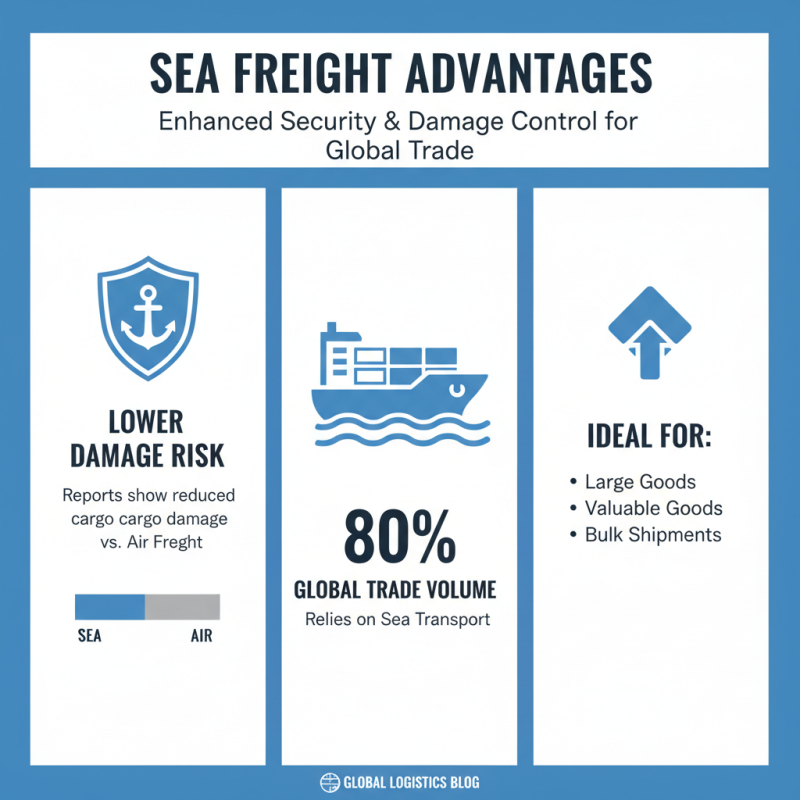
When considering shipping options, sea freight stands out for its enhanced security and damage control. Reports show that cargo shipped by sea has a lower risk of damage compared to air freight. In fact, approximately 80% of global trade by volume relies on sea transport. This method is especially beneficial for transporting large and valuable goods.
One reason for this enhanced security lies in the stringent packing and handling procedures required for sea freight. Containers are sealed and tracked throughout the journey. This reduces the likelihood of theft and ensures that goods remain intact. Regular inspections and monitoring also add layers of protection.
Tip: Always use high-quality packaging materials. This not only protects your items but also complies with sea freight standards. Moreover, consider obtaining cargo insurance. This step is crucial for mitigating risks during transit.
In some cases, however, damage can occur. While sea freight boasts a lower damage rate, rough waters or poor handling during loading can impact goods. Regular training of staff involved in cargo handling is vital to minimize such risks. It's an area where improvement is always needed.