In the rapidly evolving landscape of global logistics, optimizing shipping efficiency has become more crucial than ever. As businesses increasingly rely on seamless supply chain operations, the container transport industry stands at the forefront of this transformation. Renowned expert in container logistics, Dr. Emily Carson, once stated, "Embracing innovative container transport solutions is essential for companies to remain competitive and responsive to market demands." This encapsulates the pivotal role that effective container transport plays in the shipping process.
Today, we explore the top 10 container transport solutions designed to streamline your shipping operations. From advanced tracking technologies to eco-friendly container options, these innovations promise to enhance efficiency while minimizing delays and reducing costs. As the demand for reliable and agile transport solutions continues to grow, understanding these advancements becomes a key factor for businesses looking to optimize their shipping strategies. By implementing the right container transport methods, companies can not only improve their logistical performance but also drive sustainable growth in an increasingly competitive world.
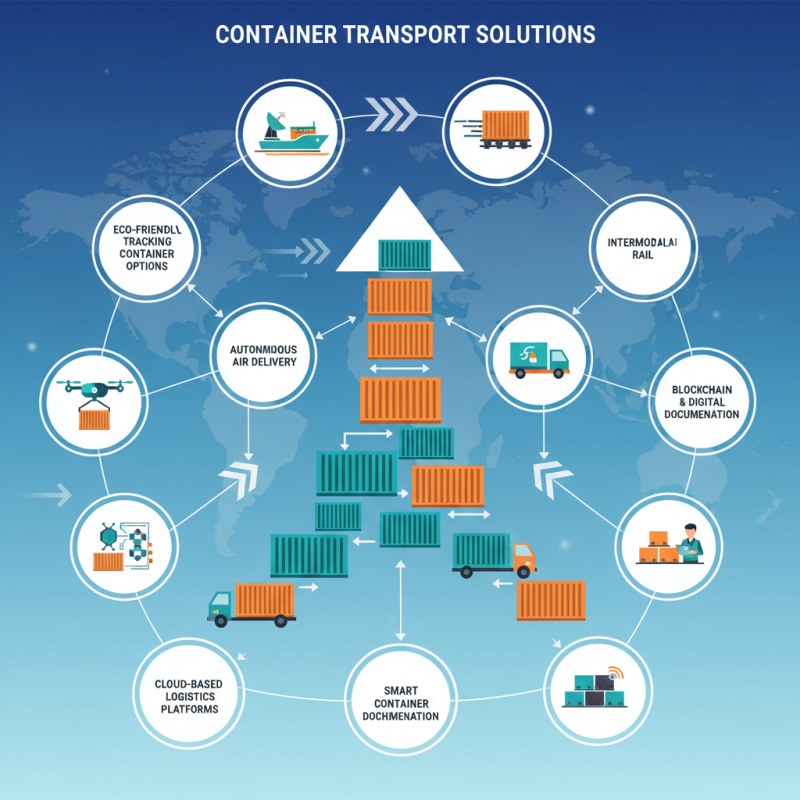
Container transport solutions are essential for optimizing the shipping process, particularly in an increasingly globalized economy. According to a report by the International Maritime Organization, around 80% of the world's merchandise trade by volume is carried by sea, making efficient container transport crucial for businesses engaged in international trade. The integration of advanced technologies such as IoT and AI into container tracking and management systems has revolutionized logistics, providing real-time data that enhances visibility and reduces delays.
Moreover, the recent trends indicate that companies adopting automated container handling systems have seen a productivity increase of up to 30%. Studies have shown that containerization not only streamlines loading and unloading but also reduces handling costs significantly. Furthermore, with the rise of e-commerce, demand for efficient container transport solutions is projected to grow; the Global Logistics Report forecasts that container shipping volume will continue to increase by 4% annually over the next decade. As a result, investing in innovative transport solutions is no longer optional but a necessity for organizations aiming to remain competitive in the fast-paced shipping industry.
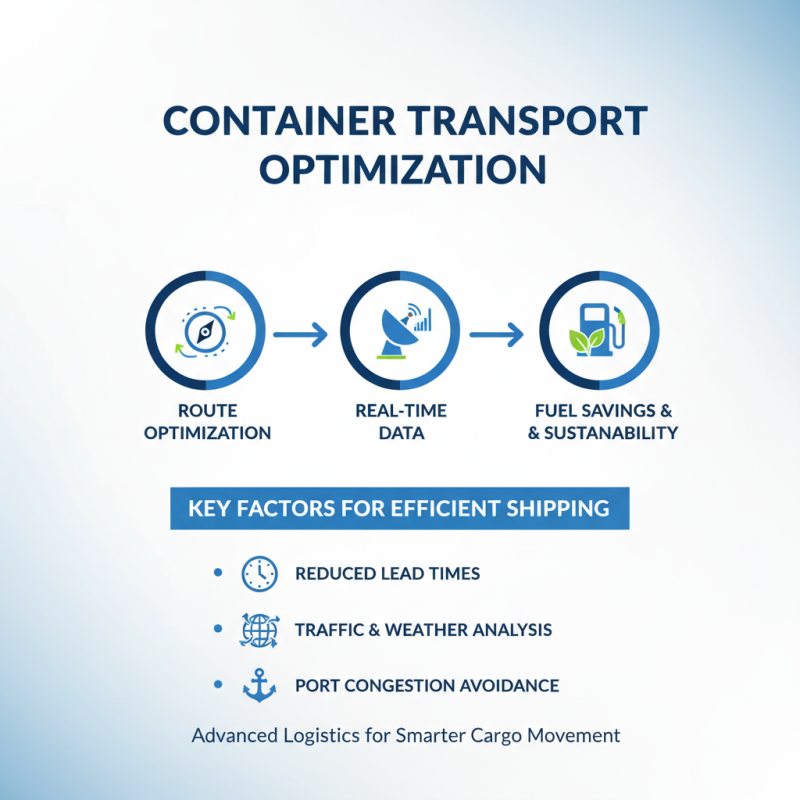
When considering container transport solutions, several key factors play a critical role in determining shipping efficiency. One of the foremost aspects is route optimization, which involves analyzing the most cost-effective and timely paths for cargo movement. Advanced logistics software uses real-time data to assess traffic patterns, weather conditions, and port congestion, enabling shippers to adjust their routes proactively. This not only reduces lead times but also contributes to fuel savings, making the overall process more sustainable.
Another essential factor is the technology used for tracking and monitoring shipments. Implementing Internet of Things (IoT) devices and digital tracking systems allows for real-time visibility into container status, which can significantly enhance operational efficiency. Shippers can respond promptly to any disruptions, minimize delays, and ensure that cargo security is maintained throughout the journey. Additionally, robust communication systems between all parties—shippers, carriers, and ports—foster collaboration and transparency, further optimizing the shipping process. By addressing these key factors, businesses can streamline their container transport solutions and maintain a competitive edge in the global market.
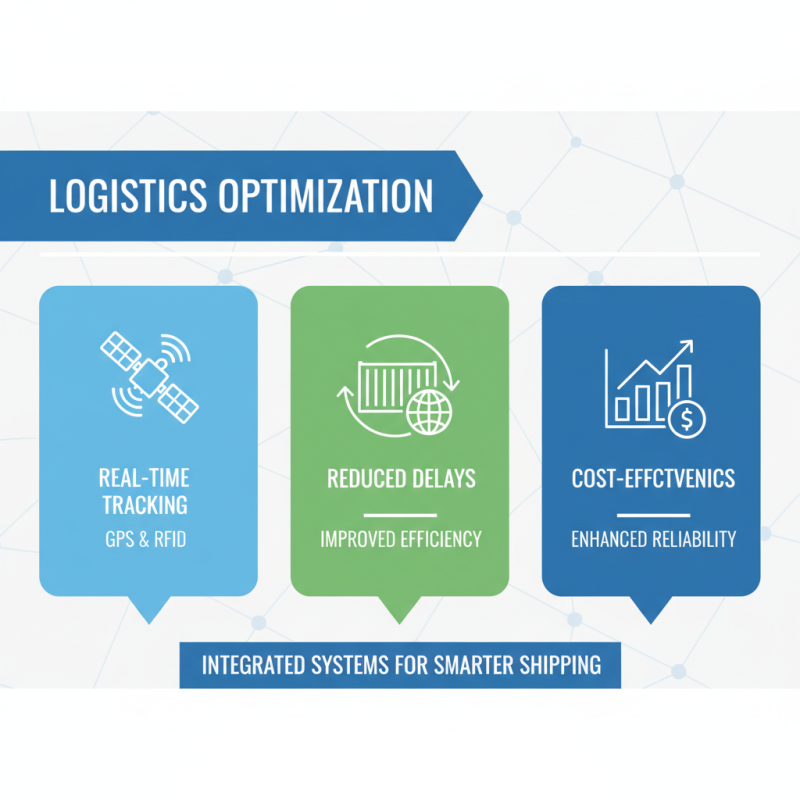
In today’s fast-paced logistics environment, streamlining container transport is crucial for efficiency and cost-effectiveness. One of the most effective solutions is the adoption of integrated tracking systems that provide real-time visibility into cargo status. By utilizing GPS and RFID technology, companies can monitor shipment locations and conditions, reducing delays and enhancing overall reliability.
Tips: When selecting a tracking system, ensure it offers user-friendly interfaces and robust customer support. This can significantly enhance operational efficiency, enabling quick responses to any disruptions in the shipping process.
Another key solution involves optimizing container loading and unloading processes. Implementing automated systems and advanced software can minimize human errors and reduce turnaround time at ports. Automation not only speeds up operations but also maximizes space utilization within containers, leading to better resource management.
Tips: Regular training sessions for staff on automation tools can enhance productivity and ensure smoother operations. Additionally, consider using data analytics to assess loading patterns and forecast logistics needs, helping to avoid congestion and improve service delivery.
In the evolving landscape of logistics, a comparative analysis of container transport technologies reveals various solutions that can significantly enhance the efficiency of shipping processes. One of the leading innovations is the use of intermodal shipping, which integrates different modes of transportation, such as trucking, rail, and maritime shipping. This technology not only reduces the overall transit time but also optimizes cost management by allowing for seamless transitions between transport types. Additionally, advancements in container tracking systems have enabled real-time monitoring of cargo, ensuring improved accuracy and enhanced security for shipments.
Another key development in container transport is the adoption of automated systems and robotics within port operations. Automated cranes and vehicles streamline the loading and unloading of cargo, minimizing human error and speeding up turnaround times in busy docks. Furthermore, the implementation of artificial intelligence aids in predictive analytics, helping logistics managers anticipate delays and optimize routing. This comparative analysis illustrates that leveraging these emerging technologies can lead to a more streamlined and efficient shipping process, ultimately resulting in significant cost savings and increased customer satisfaction.
The future of container shipping and logistics is poised for significant transformation, driven by advancements in technology and evolving industry demands. One of the most notable trends is the increasing adoption of automation and digitalization. Automated container handling systems and smart ports are enhancing efficiency and reducing turnaround times. By integrating Internet of Things (IoT) devices, shipping companies can achieve real-time tracking and monitoring of containers, allowing for better visibility and proactive management of supply chains.
Moreover, sustainability is becoming a crucial focal point in the shipping industry. Companies are prioritizing eco-friendly practices, such as utilizing alternative fuels and optimizing routes to minimize emissions. This shift not only addresses regulatory pressures but also meets the growing consumer demand for greener logistics solutions. Additionally, the incorporation of blockchain technology is revolutionizing documentation and transactions within the shipping process, providing enhanced security, transparency, and reduced fraud. These trends signify a move towards a more resilient, efficient, and environmentally responsible container shipping landscape.
| Transport Solution | Key Features | Benefits | Future Trends |
|---|---|---|---|
| Digital Freight Platforms | Real-time tracking, automated quotes | Increased efficiency, cost savings | AI integration, enhanced analytics |
| Container Shipping Apps | Mobile accessibility, booking management | Convenience, improved customer experience | User-friendly interfaces, IoT features |
| Blockchain for Logistics | Immutable records, secure transactions | Transparency, lowered fraud risk | Smart contracts, improved traceability |
| Automated Warehousing Solutions | Robotics, AI-driven inventory management | Increased storage efficiency, reduced labor costs | Further automation, real-time data utilization |
| Route Optimization Software | Dynamic planning, weather integration | Delivery time reductions, fuel savings | AI-driven adjustments, predictive analysis |
| Intermodal Transport Solutions | Multi-modal integrations, seamless transfers | Flexibility, efficiency improvements | Sustainability focus, integrated systems |
| Freight Consolidation Services | Cargo sharing, volume optimization | Cost efficiency, better space utilization | Enhanced collaboration, market adaptability |
| Sustainability Shipping Practices | Green technologies, carbon offset | Environmental responsibility, brand loyalty | Regulatory compliance, consumer demand trends |
| Real-time Analytics Tools | Data collection, performance tracking | Informed decision-making, operational improvements | Predictive maintenance, enhanced insights |
| E-commerce Integrated Solutions | Direct shipping, customer-centric services | Faster delivery, higher customer satisfaction | Omnichannel strategies, personalization |