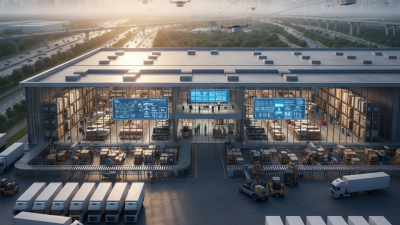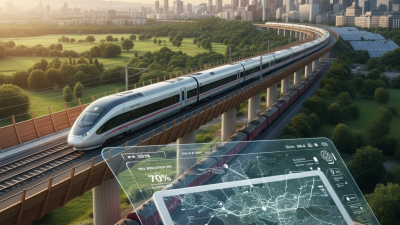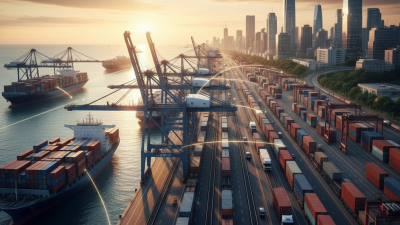
In the realm of efficient transportation solutions, Railway Freight stands out as a powerful option. This mode of transport offers a remarkable combination of speed and capacity, making it ideal for moving large volumes of goods. Many businesses rely on this system to meet their logistics needs. However, challenges remain in optimizing this transport method.
Railway Freight provides cost-effective solutions compared to road transport. It reduces fuel consumption significantly and minimizes carbon footprints. These factors are crucial as companies strive for sustainability. Still, the infrastructure needs constant upgrades, which can be a barrier for some.
The versatility of Railway Freight is another notable benefit. It can accommodate various cargo types, from raw materials to finished products. However, not every region has access to robust rail networks. This can limit the potential advantages of Railway Freight for some businesses. Overall, acknowledging both benefits and limitations is essential for effective transportation planning.
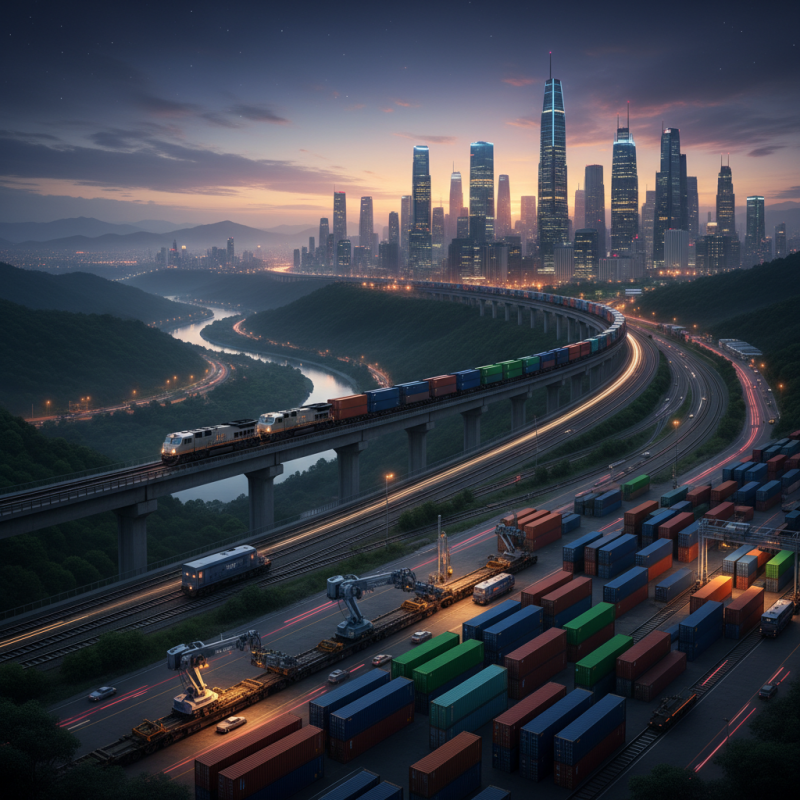
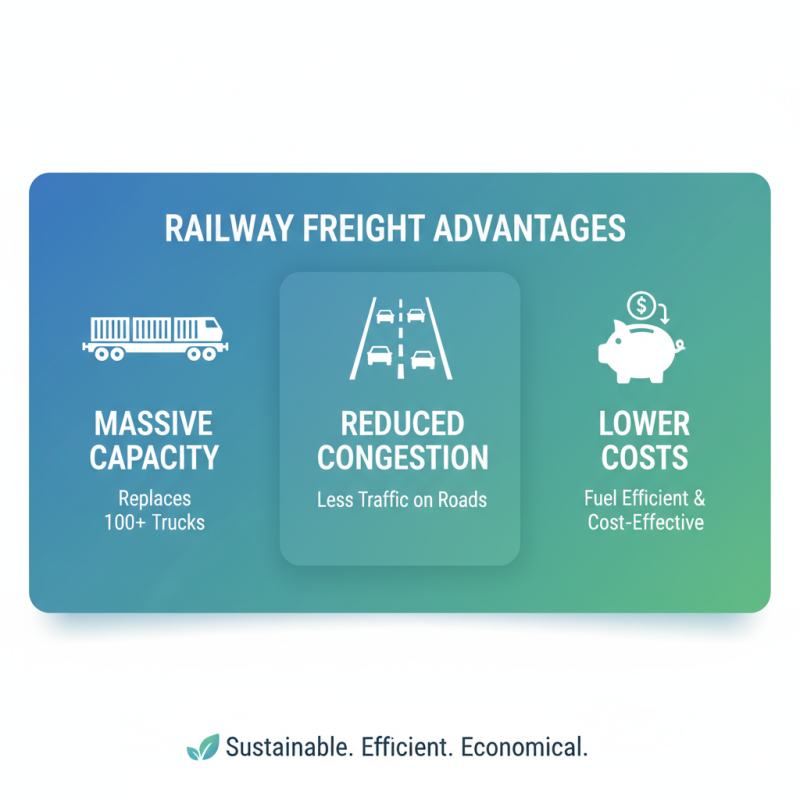
Railway freight stands out among transportation modes for several reasons. It offers significant capacity. Trains can carry vast amounts of goods at once. This capability reduces congestion on roads. A single freight train can replace dozens of trucks. This efficiency leads to lower transportation costs overall.
Another advantage lies in its environmental impact. Rail transport generates less greenhouse gas per ton-mile than trucks. This makes it a greener choice for moving goods. However, rail can have limitations. Track availability may restrict routes. Unexpected delays can arise due to maintenance needs or weather issues. These factors can affect scheduling and reliability.
Reliability is another critical point. Trains have fixed schedules and routes. This can create predictability for businesses. However, it also requires careful planning. Companies must ensure that their goods align with these schedules. The balance between timing and flexibility remains a challenge. Yet, many find that the benefits of railway freight outweigh its imperfections.
Railway freight stands out as a cost-effective solution in supply chain logistics. It offers lower transportation costs compared to road freight, especially for long distances. By using a single train, businesses can transport large quantities of goods. This efficiency reduces the need for multiple truck trips, saving time and fuel.
However, there are challenges to consider. Rail networks may not reach every destination directly. This limitation can lead to increased handling costs and delays. Scheduling can also be less flexible compared to road transport. Businesses must plan carefully to account for these factors.
Moreover, while trains are generally efficient, they require significant infrastructure investment. Maintenance of tracks, signals, and stations is often expensive. Companies need to weigh these costs against potential savings. Despite these issues, many see railway freight as a sustainable and economical choice for future logistics.
| Benefit | Description | Environmental Impact | Cost-Effectiveness |
|---|---|---|---|
| Lower Transportation Costs | Rail freight is generally cheaper per ton-mile compared to road transport. | Reduced carbon footprint per ton of freight. | Efficient in long-distance transport, offering lower total logistics costs. |
| High Capacity | Trains can carry larger amounts of freight compared to trucks. | Effective in reducing the number of vehicles on the road. | Economies of scale make it cheaper to transport large volumes. |
| Reliability | Rail services have fewer delays compared to road transport. | Consistent schedules lead to better planning and reduced energy use. | Predictable delivery schedules minimize additional costs. |
| Safety | Trains have a lower accident rate compared to trucks. | Fewer road accidents contribute to lower emissions. | Reduced risk of damages leads to lower insurance costs. |
| Energy Efficiency | Rail transport is more energy-efficient than road transport. | Lower fuel consumption reduces overall environmental impact. | Significantly lowers fuel costs for long-distance shipments. |
| Less Congestion | Railroads can ease road congestion by taking freight off the highways. | Reduces urban air pollution levels. | Cost savings from reduced traffic delays. |
| Sustainability | Rail freight is increasingly adopting eco-friendly practices. | Promotes overall sustainability in the supply chain. | Potentially lower operational costs through sustainable practices. |
| Flexibility in Delivery | Rail can connect with other transport modes for better routing. | Decreases reliance on road transport, leading to cleaner air. | Improves supply chain efficiency and reduces costs. |
| Long-Term Viability | Rail infrastructure is more durable than road infrastructure. | Longer lifespan leads to reduced environmental impact. | Lower maintenance costs enhance long-term savings. |
| Adaptability | Railways can adapt to various cargo types and sizes. | Tailored shipping methods can enhance sustainability. | Cost-effective solutions for diverse supply chain needs. |
Railway freight offers significant environmental benefits for goods transport. Trains are highly efficient. They can move large quantities of goods over long distances. According to the Association of American Railroads, rail transport emits 45% less greenhouse gas than trucks. This data highlights the potential of railways to reduce carbon footprints.
Moreover, rail transport requires less energy. For every ton-mile transported, trains use about one-third less fuel than road vehicles. This efficiency not only saves costs but also lessens air pollution. However, the infrastructure for railways is not as robust in some regions. Investment in rail systems is often overlooked in favor of road upgrades.
Another point to consider is the potential for noise pollution. While railways can be quieter than trucks in some cases, high-speed trains may create more noise than expected. Local communities often raise concerns about this issue. Balancing the environmental benefits with such challenges remains crucial. Train transport can lead to a more sustainable future, but acknowledging its imperfections is essential.
Railway freight offers a vital solution for reducing traffic congestion on roads. According to the American Association of Railroads, freight trains can carry 1 ton of cargo over 470 miles on just one gallon of fuel. This efficiency means fewer trucks on highways. In major cities, this translates to reduced traffic jams. The Federal Highway Administration highlights that shifting freight from road to rail can cut congestion by 20-30%.
Moreover, railways reduce the number of heavy trucks on streets. A single freight train can replace over 280 trucks. This not only eases congestion but also lowers wear and tear on road infrastructure. The environmental benefits are notable. It is reported that rail transport generates 45% less greenhouse gas emissions compared to road transport, promoting cleaner air quality.
Tips: Consider supporting local rail initiatives. Communities can lobby for expanded rail services, creating better transportation options. Additionally, educating the public about railway efficiencies can foster broader support for rail infrastructure. Ultimately, embracing rail can lead to more organized and sustainable transportation networks.
Railway freight offers numerous advantages, particularly in safety and reliability. The structured nature of railway networks minimizes the risk of accidents. Trains are less prone to collisions compared to road transport, reducing the likelihood of damage to goods and injuries. Furthermore, the consistent speed of trains ensures timely deliveries.
In terms of reliability, railway freight thrives. Weather disturbances have a lesser impact on trains; unlike trucks, trains have dedicated paths. However, delays can still occur due to track maintenance or signal failures. The scheduling is often predictable, which aids in planning logistics. Yet, shippers must remain adaptable to potential interruptions.
Safety features are continually evolving in railways. Enhanced braking systems and advanced signaling technology are becoming standard. These improvements promise to further reduce risks. However, the adoption of new technologies can be slow. Some old freight car designs still exist, which raises concerns. Overall, railway freight stands out for its safety and reliability in transportation solutions.