What is Supply Chain Management and Logistics? Key Concepts and Importance Explained
Supply Chain Management and Logistics play a crucial role in the modern economy, enabling businesses to efficiently transform raw materials into finished products and deliver them to consumers. In an increasingly interconnected world, understanding the intricacies of these concepts is essential for organizations seeking to optimize operations, reduce costs, and enhance customer satisfaction. The effectiveness of Supply Chain Management and Logistics can significantly influence a company’s performance, competitiveness, and overall success.
One key aspect of Supply Chain Management and Logistics is the coordination of various processes, including procurement, production, distribution, and customer service. This integration ensures that resources are utilized effectively, inventory levels are managed efficiently, and products are delivered to the right place at the right time. As globalization continues to grow, the importance of mastering Supply Chain Management and Logistics becomes even more pronounced, as companies face challenges such as fluctuating demand, supply disruptions, and the need for sustainable practices.
In this article, we will explore the fundamental concepts of Supply Chain Management and Logistics, highlighting their significance in today’s business landscape. By understanding these elements, organizations can better navigate the complexities of the supply chain, ultimately leading to improved operational efficiency and a more robust competitive advantage.

What is Supply Chain Management? A Comprehensive Overview
Supply Chain Management (SCM) is a critical aspect of modern business operations, encompassing the flow of goods, information, and finances as they move from suppliers to manufacturers to consumers. At its core, SCM involves the coordination and optimization of these various functions to ensure that products are delivered efficiently and effectively. This includes everything from procurement and production to distribution and logistics. By managing these interconnected processes, businesses can streamline operations, reduce costs, and improve overall customer satisfaction.
Logistics is a key component of Supply Chain Management, focusing specifically on the movement and storage of goods throughout the supply chain. It involves planning, implementing, and controlling the efficient flow of goods from the point of origin to the point of consumption. Effective logistics management is essential for ensuring that products are available when and where they are needed, minimizing delays and maximizing efficiency. In today's fast-paced global market, a well-structured supply chain and robust logistics framework are vital for gaining a competitive advantage and adapting to evolving consumer demands.
Key Components of Logistics in Supply Chain Management
Logistics is a critical component of supply chain management, encompassing a series of processes that ensure products move efficiently from suppliers to the end customer. One of the key components of logistics is transportation management, which involves selecting the most suitable modes of transport to optimize cost and deliver products in a timely manner. This includes evaluating factors such as distance, speed, and freight costs to balance logistical efficacy and customer satisfaction.
Another essential element is inventory management, which focuses on maintaining optimal inventory levels to meet customer demand while minimizing holding costs. Effective inventory management ensures that the right amount of stock is available at the right time, reducing the chances of stockouts or overstock situations. Additionally, warehouse management plays a vital role in logistics, involving the processes of storing, handling, and distributing goods within a facility. This includes layout design, order picking, and the integration of technology to enhance operational efficiency. Together, these logistics components form the backbone of supply chain management, driving overall performance and competitiveness in the market.
The Role of Technology in Enhancing Supply Chain Efficiency
The role of technology in enhancing supply chain efficiency cannot be overstated. In today's fast-paced global market, organizations are increasingly turning to advanced technologies such as artificial intelligence, blockchain, and the Internet of Things (IoT) to streamline their logistics processes.
These innovations allow for real-time tracking of goods, predictive analytics for demand forecasting, and improved inventory management, all of which contribute to more agile and efficient supply chains.
Moreover, the integration of automation in warehousing and transportation has revolutionized the way products are handled and delivered. Robotics and automated systems reduce human error, speed up operations, and lower labor costs. Additionally, data analytics provides critical insights into supply chain performance, enabling companies to make informed decisions that optimize resource allocation and minimize delays. By harnessing the power of technology, businesses can not only improve their operational efficiency but also enhance customer satisfaction through timely delivery and improved service quality.
Impact of Globalization on Supply Chain Strategies and Operations
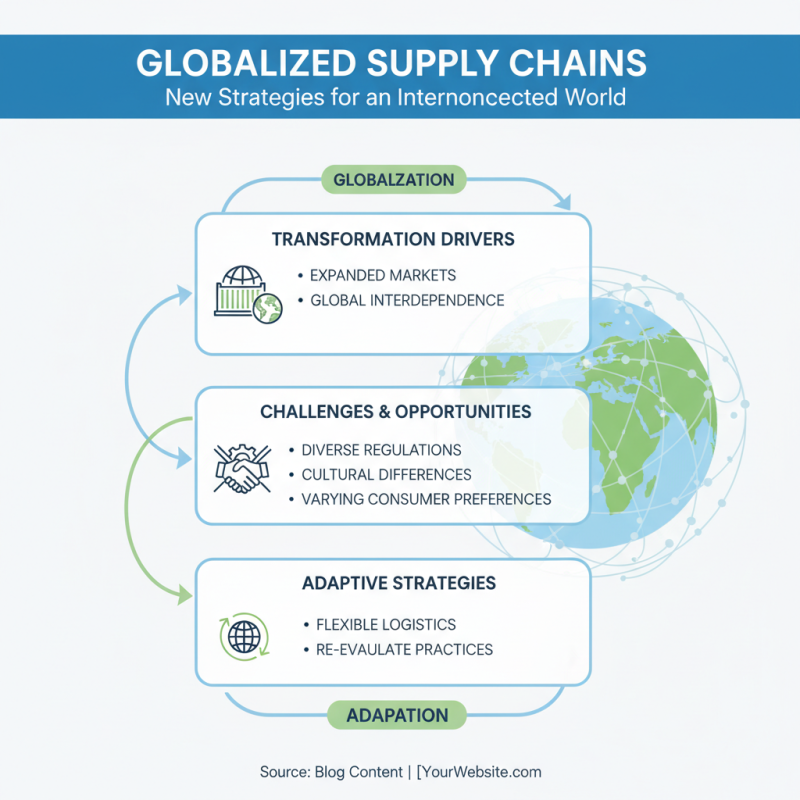
Globalization has transformed supply chain strategies and operations dramatically, leading to a more interconnected world of commerce. As businesses expand beyond their domestic markets, they face new challenges and opportunities that require reevaluation of their supply chain management practices. The need to adapt to diverse regulatory environments, cultural differences, and varying consumer preferences necessitates a flexible approach to logistics and supply chain operations.
One of the critical impacts of globalization is the increased emphasis on efficiency and responsiveness. Companies now have to manage complex networks that span multiple countries and regions, which often involves coordinating numerous suppliers and logistics providers. Embracing technology such as real-time tracking systems and advanced analytics has become essential for optimizing supply chain operations, ensuring that goods are delivered on time while minimizing costs. Additionally, globalization encourages companies to reevaluate their sourcing strategies, potentially shifting production to locations with lower labor costs or better access to raw materials, which can significantly affect overall supply chain dynamics.
Furthermore, globalization has given rise to the importance of sustainability and ethical practices within supply chains. As consumers become more aware of environmental and social issues, companies must consider the impact of their operations on the global stage. This shift has prompted businesses to implement sustainable sourcing practices, optimize transportation methods to reduce carbon footprints, and be transparent about their supply chain processes. Ultimately, navigating these complexities requires strategic thinking and a commitment to adaptability in an ever-changing global marketplace.
Current Trends and Future Directions in Supply Chain Management
The landscape of Supply Chain Management (SCM) is undergoing significant transformations as organizations strive for greater efficiency and adaptability. Current trends indicate a strong shift towards digitization, with a report from McKinsey highlighting that companies utilizing advanced analytics in their supply chain processes can boost their productivity by up to 20%. Additionally, the integration of Artificial Intelligence and Machine Learning is becoming increasingly crucial, with projections suggesting that AI could save the logistics sector up to $1 trillion annually by improving delivery routes and inventory management.
Sustainability is also a key focus, as businesses seek to minimize their environmental impact. A survey by Deloitte showed that 88% of supply chain executives consider sustainability as a critical priority, emphasizing eco-friendly practices and renewable energy solutions. As demand for transparent supply chains grows, organizations are investing in technologies like blockchain to enhance traceability, ensuring that every step of the supply chain meets sustainability standards.
Tips for navigating these trends include investing in technology to enhance visibility and efficiency, prioritizing sustainability initiatives, and fostering a culture of continuous improvement. It's vital for businesses to stay ahead of these trends to remain competitive and resilient in a rapidly changing market. Engaging in continuous learning and adaptation will position organizations to leverage future opportunities in supply chain management effectively.
What is Supply Chain Management and Logistics? Key Concepts and Importance Explained
| Key Concept |
Description |
Importance |
Current Trends |
Future Directions |
| Supply Chain Planning |
The process of strategizing the sourcing, manufacturing, and delivery of products. |
Ensures efficient resource allocation and minimizes costs. |
Increased focus on data analytics for better forecasting. |
Integration of AI and machine learning in planning processes. |
| Logistics Management |
Coordination of transportation, warehousing, and inventory management. |
Vital for delivering products on time and managing costs. |
Adoption of last-mile delivery solutions. |
Focus on sustainable logistics solutions to reduce carbon footprint. |
| Inventory Management |
Supervising stock levels and ensuring product availability. |
Prevents stockouts and reduces excess inventory. |
Use of automated inventory tracking systems. |
Greater emphasis on real-time inventory management through IoT. |
| Supplier Relationship Management |
Managing supplier interactions to maintain a healthy supply chain. |
Key to improving product quality and reliability. |
Increased collaboration and communication platforms. |
Focus on strategic partnerships and supplier innovation. |
| Risk Management |
Identifying and mitigating risks within the supply chain. |
Protects the business from unexpected disruptions. |
Implementation of comprehensive risk assessment tools. |
Adoption of resilient supply chain frameworks. |