Top Railway Freight Trends to Watch in 2025 for Efficient Transport Solutions
As we look ahead to 2025, the landscape of railway freight is evolving rapidly, driven by advancements in technology, infrastructure, and shifting market demands. Railway freight has long been a cornerstone of global logistics, providing an efficient and cost-effective means of transporting goods across vast distances. In this context, it is paramount to grasp the key trends that will shape the industry and influence the development of efficient transport solutions.
The next few years will witness transformative changes in railway freight, with innovations aimed at enhancing operational efficiency, sustainability, and service quality. These trends indicate a movement towards greater integration of digital solutions, automation, and enhanced data analytics, all of which are set to optimize the performance of railway freight systems. By focusing on these emerging trends, stakeholders can better prepare to meet the challenges and opportunities that lie ahead, ensuring that railway freight remains a pivotal component of the supply chain.
In this article, we will explore the top railway freight trends to watch in 2025, highlighting the advancements that promise to redefine the industry and streamline transport solutions. Understanding these trends will not only benefit operators and logistics providers but also contribute to the overall growth and sustainability of the railway freight sector.
Emerging Technologies Impacting Railway Freight Efficiency in 2025
Emerging technologies are set to revolutionize railway freight efficiency in 2025, making transport solutions more streamlined and effective than ever before. Innovations such as artificial intelligence and machine learning are optimizing logistics processes by predicting demand patterns and improving inventory management. Furthermore, the integration of Internet of Things (IoT) devices facilitates real-time tracking of freight, enhancing cargo management and reducing delays that can disrupt supply chains.
To leverage these technological advancements, companies should consider implementing predictive analytics. By utilizing data from past shipments and current market trends, businesses can improve their forecasting accuracy, ensuring that resources are allocated efficiently. Additionally, investing in automated maintenance systems will not only boost reliability but also prevent unforeseen downtimes that could lead to significant losses.
As the sector evolves, focusing on sustainability can enhance efficiency as well. Electric locomotives and alternative fuel options are becoming increasingly viable, decreasing the environmental impact of freight transport. Companies should embrace greener technologies not only to comply with regulations but also to meet the growing demand for sustainable practices among consumers. Engaging with these emerging technologies and strategies will position railway freight services for significant growth in the coming years.
Top Railway Freight Trends to Watch in 2025
Sustainability Trends Shaping the Future of Railway Freight Transport
The railway freight sector is undergoing a significant transformation driven by sustainability trends that are reshaping transport solutions. As per the International Energy Agency (IEA), rail transport has the potential to reduce greenhouse gas emissions by up to 75% compared to road transport. This statistic exemplifies why many logistics companies are increasingly turning to rail as a more eco-friendly option for freight transport. Moreover, studies suggest that integrating renewable energy sources, such as solar and wind power into railway operations, could lead to a 20% decrease in operational costs over the next decade.
In 2025, the focus on sustainability will continue to be a dominant trend, with many railway operators investing in modernizing their fleets with energy-efficient locomotives and adopting advanced technologies such as electrification. The Rail Safety and Standards Board (RSSB) reported that switching to electric traction could save the UK rail industry approximately £1.5 billion annually in fuel costs alone, while also contributing to a substantial reduction in carbon emissions. Furthermore, the implementation of digital solutions, including predictive maintenance and smart logistics systems, is expected to enhance efficiency and minimize waste, propelling the sector toward greener practices. These advancements signify a crucial shift in how the railway freight industry aligns itself with global sustainability goals.
Changes in Regulatory Frameworks Affecting Railway Freight Operations
In the evolving landscape of railway freight operations, changes in regulatory frameworks are playing a critical role. As governments and regulatory bodies strive to enhance safety, sustainability, and efficiency in freight transport, new regulations are expected to emerge, affecting operational compliance and service delivery. The introduction of stricter emission standards, for example, is prompting railway companies to invest in greener technologies and optimize existing infrastructures. Such transitions not only aim to reduce the carbon footprint of freight transport but also to align with global sustainability initiatives.
Moreover, regulatory shifts also influence pricing strategies and market competition. With some regions considering deregulation to foster competition, railway operators may find themselves adjusting their service offerings and pricing mechanisms to attract a broader customer base. This could lead to more diverse freight services and innovative transport solutions, allowing businesses to better meet their logistics needs. However, these changes also require operators to stay abreast of compliance requirements and proactively adapt their business models to maintain an edge in the marketplace. Overall, the regulatory landscape will continue to reshape the future of railway freight, emphasizing the need for adaptability and forward-thinking strategies among industry players.
Top Railway Freight Trends to Watch in 2025 for Efficient Transport Solutions - Changes in Regulatory Frameworks Affecting Railway Freight Operations
| Trend |
Description |
Impact |
Regulatory Changes |
| Digitalization |
Increased use of technology for tracking and logistics management. |
Enhanced efficiency, reduced delays, and improved transparency. |
New standards for data sharing and cybersecurity regulations. |
| Sustainability Initiatives |
Shift towards eco-friendly practices and carbon reduction. |
Lower carbon footprint and compliance with environmental regulations. |
Implementation of stricter emission guidelines. |
| Safety Regulations |
Increased focus on preventing accidents and improving safety protocols. |
Fewer accidents and enhanced employee and passenger safety. |
Tighter regulations around equipment maintenance and inspections. |
| Market Liberalization |
Opening up of rail markets to increased competition. |
Lower freight prices and improved service quality. |
Changes in antitrust laws and operational guidelines. |
| Infrastructure Investments |
Increased funding for rail infrastructure upgrades and expansions. |
Improved reliability and capacity for freight transport. |
Government incentives and funding programs for rail projects. |
Shifts in Consumer Demand Influencing Railway Freight Logistics
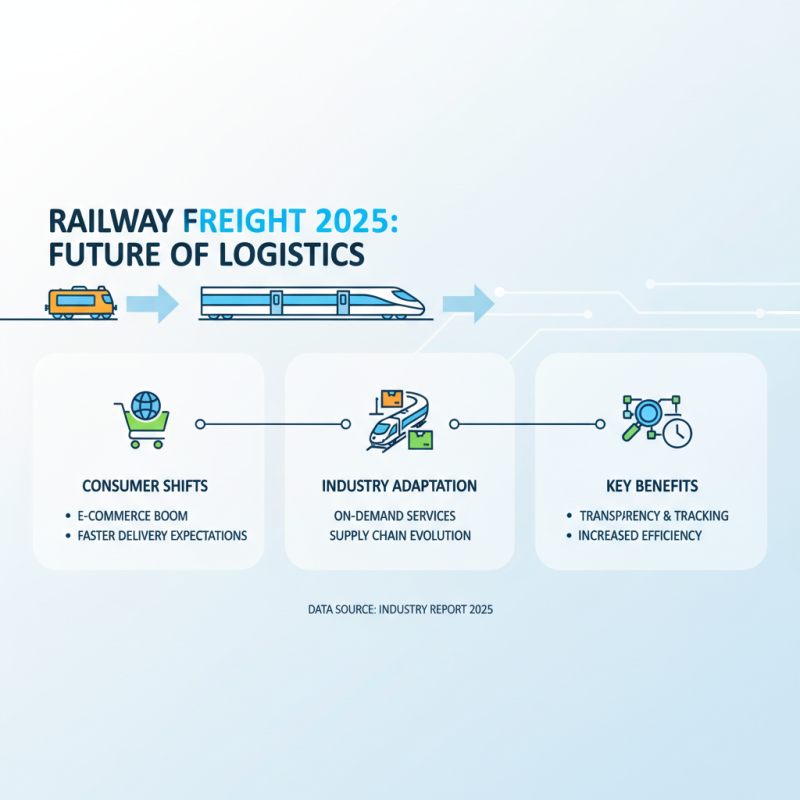
In 2025, the railway freight industry is poised for significant transformation, driven primarily by shifts in consumer demand. As customers increasingly rely on e-commerce and seek faster delivery options, railway logistics must adapt to meet these expectations. This evolution is marked by a growing preference for on-demand services that provide transparency and efficiency throughout the supply chain.
To navigate these changes effectively, companies can implement several strategies.
**Tip 1:** Embrace technology by using data analytics to better forecast consumer demand. Having real-time insights can help logistics providers optimize their routes and reduce transit times, ensuring that they meet customer expectations.
**Tip 2:** Enhance collaboration with other modes of transport. Integrating rail with road and sea logistics can create a synergistic approach, providing more flexible options to meet varied consumer needs. This can simultaneously increase service levels and reduce operational costs.
Consumer demand will undoubtedly continue to evolve, and the railway freight sector must remain agile to keep pace. Focusing on sustainability and efficiency not only aligns with market trends but also positions businesses favorably in a competitive landscape.
Innovations in Intermodal Transport Solutions for Railway Freight Efficiency
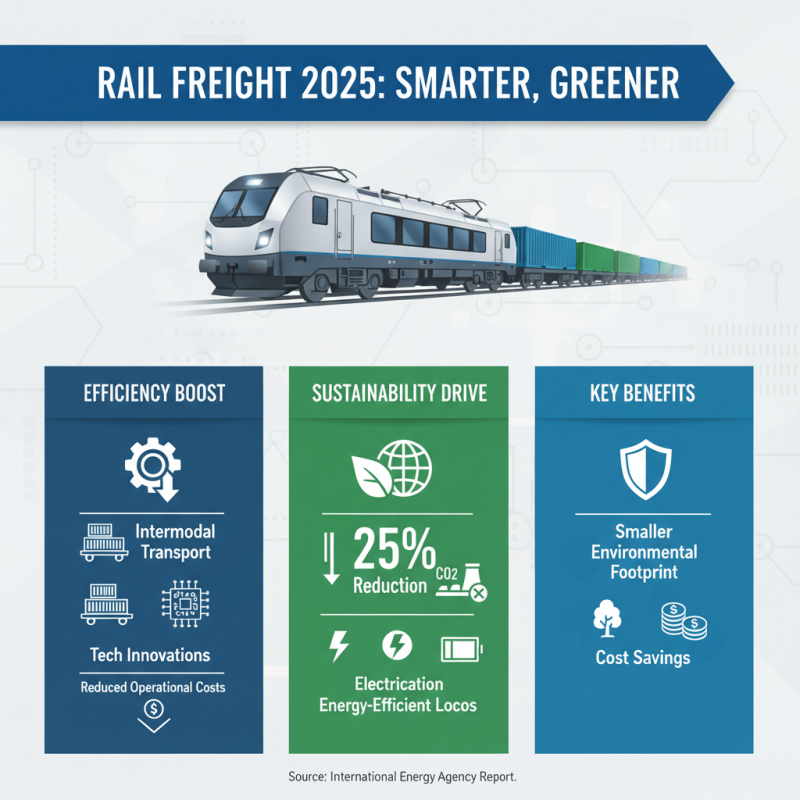
As we look toward 2025, the rail freight industry is set to experience significant advancements in intermodal transport solutions that will enhance efficiency and sustainability. Innovations in technology will play a critical role in this transformation. According to a report by the International Energy Agency, the rail sector is expected to reduce its carbon emissions by 25% through the adoption of more energy-efficient locomotives and increased use of electrification. This shift not only reduces the environmental footprint but also lowers operational costs for freight companies.
Moreover, the integration of digital tools and platforms will revolutionize intermodal transport solutions. Research from the American Association of Railroads indicates that digital freight matching platforms are expected to improve cargo tracking and reduce idle times by up to 30% by 2025. Enhanced connectivity and real-time data analytics will facilitate smoother transitions between different transport modes, ultimately driving greater efficiency across the entire supply chain. This interconnected approach will ensure that rail freight can compete effectively with other transport options, making it a preferred choice for shippers looking to optimize their logistics operations.
Overall, the trends in intermodal transport solutions reflect a broader industry movement towards modernization and efficiency, aiming to build a more resilient and sustainable freight network by 2025.