What is Railway Freight and How Does it Impact Global Trade?
Railway Freight plays a crucial role in global trade. It effectively connects markets, reduces transportation costs, and promotes economic growth. According to Dr. Emily Chen, a leading expert in logistics, "Railway Freight is the backbone of global supply chains." Her insights emphasize the importance of this mode of transport.
In an era of rising demand for efficient logistics, the advantages of Railway Freight are evident. It is reliable and can transport large volumes of goods over long distances. However, challenges also exist. Infrastructure limitations and regulatory issues can impede progress in this sector. The balance between efficiency and costs remains a constant consideration.
Reflecting on these factors, industry professionals must navigate complexities. As global trade evolves, adapting Railway Freight systems is essential. Continuous investment in technology and infrastructure is necessary. Overall, understanding the dynamics of Railway Freight is vital for future trade success.
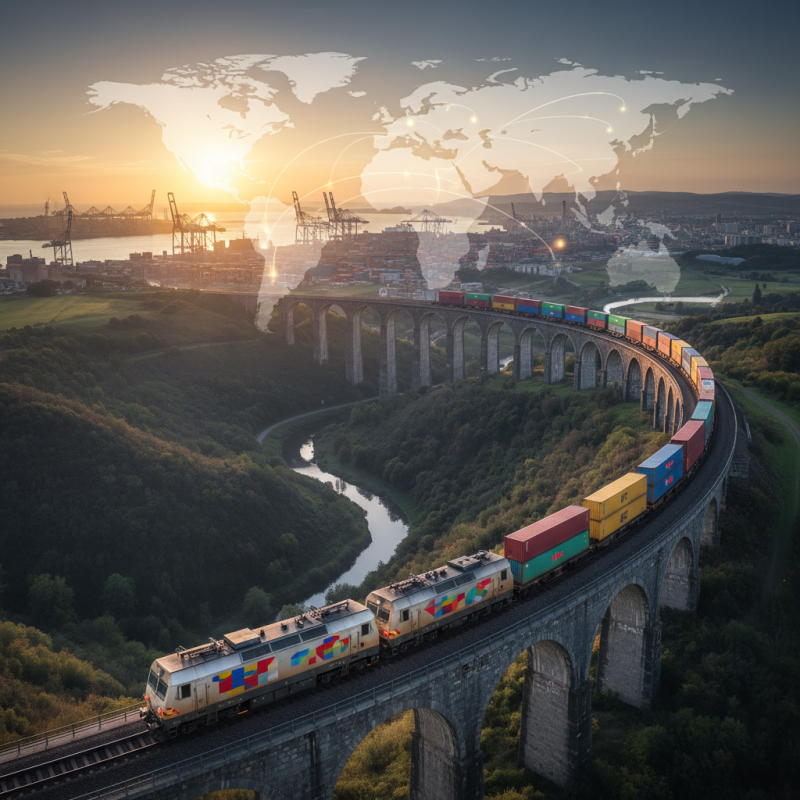
Definition of Railway Freight and Its Key Components
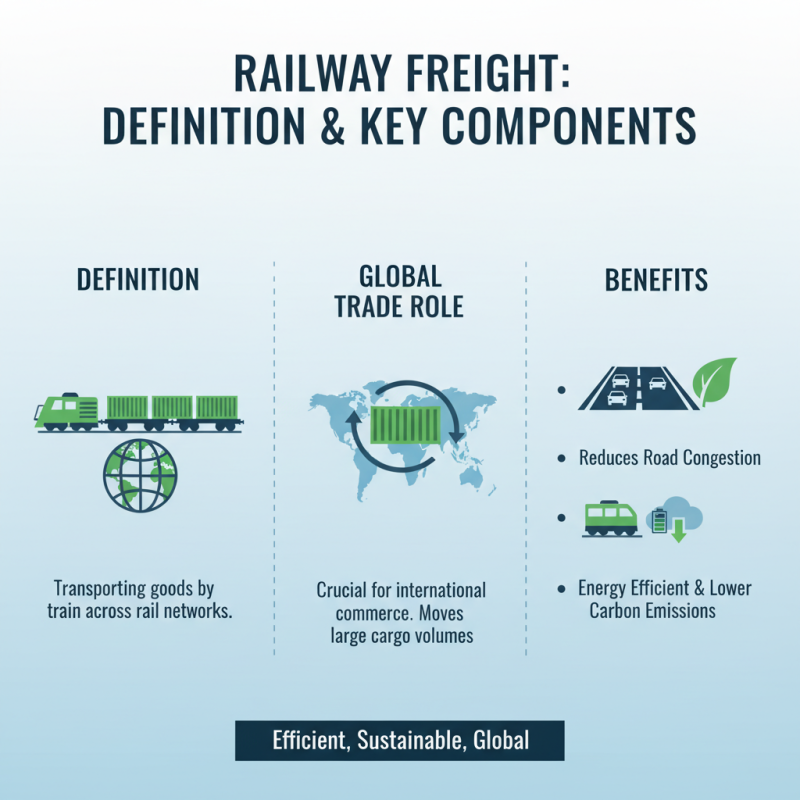
Railway freight refers to the transportation of goods by train across extensive rail networks. It plays a crucial role in global trade. Trains can efficiently move a large volume of cargo, reducing congestion on roads. This mode of transport is also more energy-efficient than trucking, contributing to lower carbon emissions.
Key components of railway freight include types of cargo, rail infrastructure, and logistics. Intermodal containers are often used, providing flexibility and ease of loading. Specialized wagons transport bulk goods, like coal or grain. The rail infrastructure itself, including tracks and terminals, is essential for ensuring timely deliveries. However, maintenance challenges can sometimes lead to delays, impacting supply chains.
Despite its benefits, railway freight faces limitations. Not every location has rail access, which can hinder market reach. Additionally, rail schedules may not align with the needs of just-in-time inventory systems. These factors highlight the need for ongoing improvements in rail logistics to enhance efficiency and reliability in global trade.
Historical Development of Railway Freight Transportation
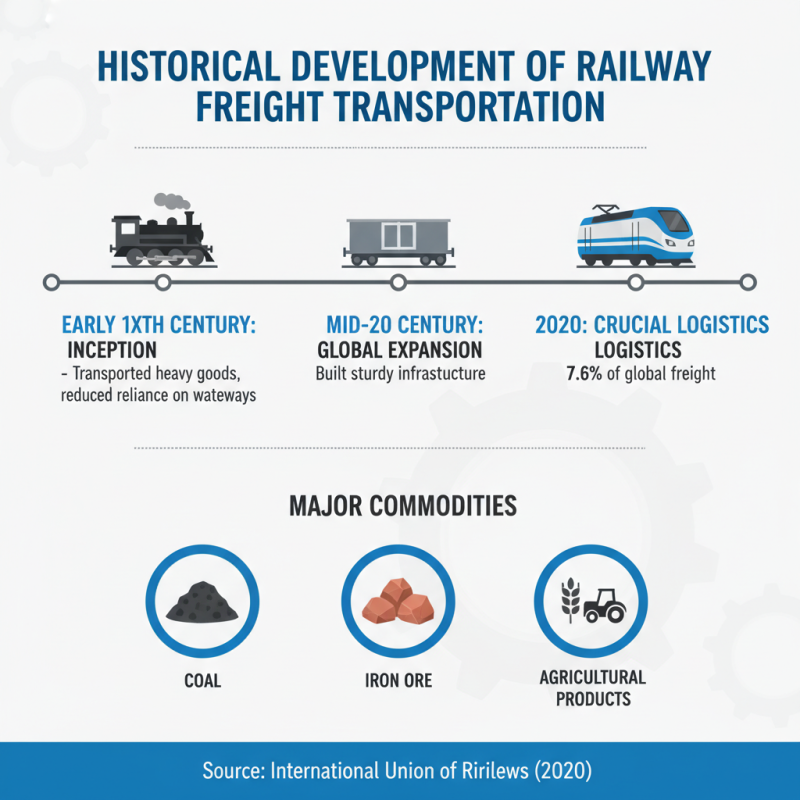
Railway freight transportation has evolved significantly since its inception in the early 19th century. Initially, railroads facilitated the movement of heavy goods overland, reducing dependence on waterways. According to the International Union of Railways, in 2020, rail freight accounted for 7.6% of global freight transport, highlighting its crucial role in logistics. Major commodities transported include coal, iron ore, and agricultural products, which take advantage of the sturdy infrastructure developed over decades.
The introduction of intermodal transportation further transformed railway freight. Containers now streamline the loading and unloading process, integrating rail with road and sea transport. A report by McKinsey & Company noted that this shift could increase rail's share of the freight market by 30% in the next decade. Despite these advancements, challenges remain. Aging infrastructure can lead to delays and inefficiencies. Additionally, environmental concerns pose a dilemma: while trains are generally more energy-efficient than trucks, upgrades are necessary to reduce emissions further. This ongoing evolution prompts reflection on balancing efficiency with sustainability.
Advantages of Railway Freight in Global Trade
Railway freight plays a vital role in global trade, offering unique advantages. One key benefit is efficiency. Trains can transport large quantities of goods over long distances, reducing fuel consumption compared to trucks. For instance, a single freight train can replace dozens of trucks on the road.
Another advantage is cost-effectiveness. Rail transport generally has lower long-term costs, especially for bulk shipments. Businesses can save money on logistics. However, there are limitations to consider. Rail networks do not reach everywhere, complicating supply chains. Delays in loading and unloading can also occur.
Environmental impact is another important aspect. Rail transport tends to produce fewer emissions and is often more sustainable than other forms of transport. However, rail infrastructure requires significant investment. Upgrades to tracks and stations can be expensive and time-consuming. Each of these factors must be weighed carefully.
Challenges and Limitations of Railway Freight
Railway freight plays a significant role in global trade. However, it faces numerous challenges. One major issue is infrastructure. Many rail systems are outdated or poorly maintained. This can lead to delays and higher costs. Capacity limits are another concern. Overcrowded networks slow down operations and increase transit times.
Tips for businesses: consider alternate routes or schedules to mitigate delays. Invest in logistical software. Use technology to track shipments efficiently.
Regulatory complexities also hinder railway freight. Different countries have varying customs regulations. Navigating this maze can be daunting. Businesses need to stay updated on changes. This requires constant research and adaptability.
Remember: Always plan for the unexpected. Have contingency strategies in place. Building strong relationships with logistics providers is critical. They can help navigate these challenges.
Impact of Railway Freight on Global Trade
Future Trends and Innovations in Railway Freight Systems
Railway freight systems are evolving rapidly. Innovations in technology are reshaping how goods move globally. Automation and AI are enhancing efficiency. Autonomous trains and smart logistics platforms are examples of these advancements. Such technologies promise to reduce costs and improve delivery times. However, there are challenges ahead. Integrating these systems requires significant investment.
Sustainability also plays a crucial role. Eco-friendly practices are becoming essential in railway operations. Companies are exploring alternative fuels and energy-efficient locomotives. While these initiatives are promising, their implementation can be complex.
Data analytics is another transformative trend. Real-time tracking and analytics enhance supply chain visibility. Yet, not all businesses have the resources to adopt these technologies swiftly. Some may fall behind, creating gaps in competitiveness. The future of railway freight is bright, but it requires careful navigation.
What is Railway Freight and How Does it Impact Global Trade? - Future Trends and Innovations in Railway Freight Systems
| Dimension |
Current Value |
Forecasted Growth (2024-2028) |
| Total Railway Freight Volume (Billion Tons) |
12.5 |
15% |
| Average Transit Time (Days) |
7 |
5% Decrease |
| Freight Cost per Ton (USD) |
80 |
10% Decrease |
| Environmental Impact (CO2 Emissions, Metric Tons) |
300 million |
20% Reduction |
| Investment in Rail Infrastructure (Billion USD) |
50 |
65 |