What is Railway Freight and How Does it Work?
Railway freight plays a crucial role in global logistics and transportation. It accounts for over 30% of total freight transport in many countries. According to a report from the International Union of Railways, the railway freight industry has grown by 4% annually over the last five years. This growth highlights the efficiency and cost-effectiveness of transporting goods by rail.
Experts like Dr. Emily Thompson, a renowned railway logistics analyst, emphasize the importance of this sector. She states, "Railway freight is not just a mode of transport; it’s the backbone of supply chains." This statement underscores how effectively railway systems can move large volumes of goods over long distances. However, challenges remain. Aging infrastructure and competition from other transport modes often hinder progress. The industry must adapt to these challenges to maximize potential.
Innovations like automated train systems and digital tracking are reshaping the railway freight landscape. Yet, the industry still faces hurdles, like resistance to change and investment limitations. A critical reflection on these issues is essential for future growth. The continued relevance of railway freight hinges on addressing these concerns and embracing new technologies.
What is Railway Freight?
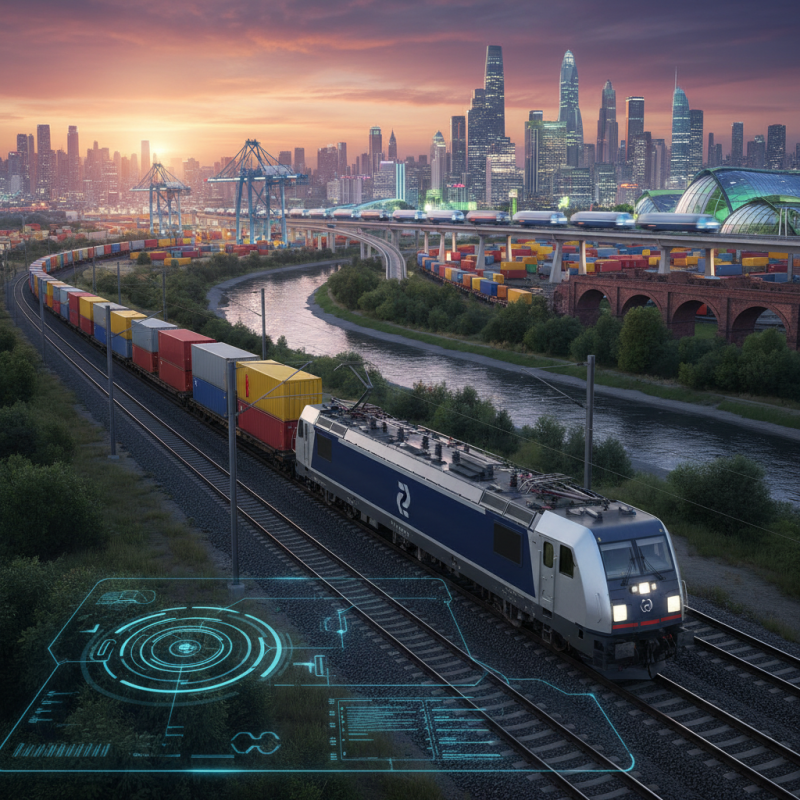
Railway freight involves transporting goods by trains. It is an efficient way to move large quantities over long distances. Trains can carry various products, from raw materials to finished goods. They provide a reliable option for businesses. Many industries depend on this method for their supply chain.
When using railway freight, consider the type of goods. Some items, like perishables, may need special handling. Others can be shipped in bulk without issues. Understanding the nature of your product is crucial for successful transit.
Tips: Always check regulations for your cargo. Each type can have different rules. Also, ensure proper packaging to prevent damage. This helps in minimizing costs and delays. Be open to explore route options. Sometimes, alternative paths can save time and reduce expenses. Remember, flexibility can lead to better outcomes.
History of Railway Freight Transportation
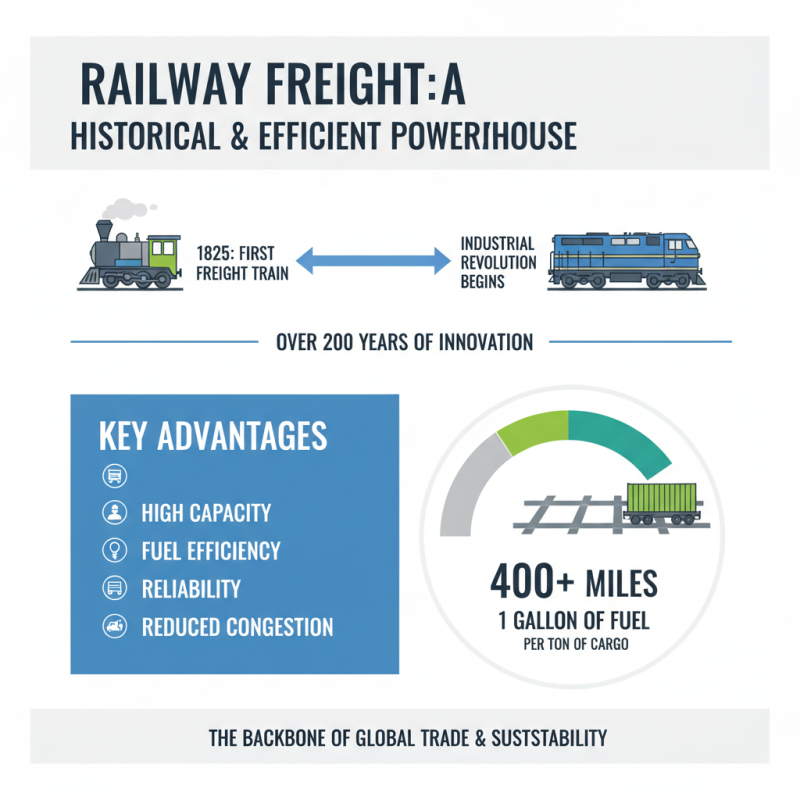
Railway freight transportation has a rich history that stretches back to the early 19th century. The first recorded freight train operated in 1825, marking the beginning of an industrial revolution. This mode of transport quickly gained popularity due to its efficiency and capacity. According to industry reports, railway freight can move one ton of cargo over 400 miles on just one gallon of fuel. This efficiency has made rail a backbone of freight movement in many countries.
Over the decades, railway freight has evolved. Initially, it was primarily used for coal and iron. Today, it encompasses a variety of goods, including automobiles and agricultural products. The Association of American Railroads notes that railroads transport over 1.8 billion tons of freight annually in the U.S. This vast network is not without challenges. Aging infrastructure often leads to delays and inefficiencies. Some rail systems struggle to keep up with growing demand, leading to a disconnect between capacity and utilization rates.
Despite its challenges, railway freight remains vital. It accounts for over 40% of all domestic freight transportation in many regions. However, adapting to modern needs is crucial. Innovations in technology and logistics are required to enhance service quality. The future may bring changes, but the importance of railway freight can’t be overstated.
Types of Railway Freight Services
Railway freight services offer a vital link in global supply chains. Various types of services cater to different cargo needs. The two main categories include bulk freight and containerized freight.
Bulk freight typically involves commodities like coal, grain, or minerals. This type of service moves large quantities efficiently. According to industry reports, bulk freight accounts for about 70% of all railway freight transport. By contrast, containerized freight is more versatile. It handles goods packed in containers, ideal for international shipping. This service has grown rapidly, reflecting a shift toward e-commerce.
Tips: Always assess the type of cargo you have. Choosing the right freight service can affect cost and efficiency.
Another important aspect is intermodal freight. It combines multiple transport modes, enhancing flexibility. Many companies leverage this to improve delivery times. According to research, intermodal services can reduce shipping costs by 15%.
Tips: Look for opportunities to optimize your freight routes. Small adjustments can lead to significant savings and reduced environmental impact.
How Railway Freight Works: The Process
Railway freight involves transporting goods via trains. The process begins with loading cargo onto railcars at shipping points. These railcars vary in type, accommodating different kinds of freight. Common types include flatcars for heavy machinery and tank cars for liquids. Once loaded, the train departs, navigating through a vast network of tracks.
The journey of railway freight is complex. Trains travel across multiple regions, often changing tracks and stations. This transition requires efficient coordination. Scheduling is vital; delays can lead to increased costs. Communication between railway operators and clients is essential. Cargo integrity is monitored throughout the trip, yet issues can arise. Breakdowns or track obstructions occasionally occur, causing bottlenecks.
After reaching the destination, unloading takes place. This step may involve cranes and other heavy equipment. Prompt unloading is crucial to maintain efficiency. However, sometimes delays happen again, impacting the supply chain. Reflection on these challenges highlights the need for continuous improvement in railway freight operations.
Railway Freight Transport Volumes in 2023
Benefits and Challenges of Using Railway Freight
Railway freight offers significant benefits for transporting goods. One major advantage is cost efficiency. Trains can move large quantities of cargo over long distances at lower rates than trucks. This reduction in transportation costs is vital for businesses aiming to maximize profits. Additionally, railway freight reduces road congestion and lowers carbon emissions, contributing to cleaner air in urban areas.
However, there are challenges to consider. Train schedules can be less flexible than road transport, causing potential delays. Limited rail infrastructure in certain regions can also restrict access, making it harder to reach specific locations. Companies may need to invest in additional logistics to bridge these gaps. Weather conditions can further complicate rail transport, leading to unpredictable disruptions. It's essential for businesses to weigh these factors carefully when choosing railway freight logistics.
What is Railway Freight and How Does it Work? - Benefits and Challenges of Using Railway Freight
| Dimension |
Details |
| Type of Goods |
Bulk commodities, containers, vehicles, agricultural products |
| Cost Efficiency |
Generally lower transportation costs compared to road and air freight |
| Environmental Impact |
Lower carbon emissions per ton-mile compared to trucking |
| Loading Capacity |
Can carry large volumes of goods in a single trip |
| Speed |
Generally slower than road transport, but suitable for long distances |
| Flexibility |
Less flexible than road transport; fixed routes and schedules |
| Infrastructure Dependency |
Dependent on rail network efficiency and availability |
| Security |
Generally secure, with lower risk of theft compared to road transport |