Why Railway Freight is Essential for Efficient Transportation and Logistics?
Railway freight plays a crucial role in modern transportation and logistics. It offers a reliable and efficient way to move goods across large distances. Trains can carry heavy loads, reducing the need for multiple trucks on the road. This not only cuts costs but also lowers carbon emissions. However, the railway infrastructure can be outdated in some regions, causing inefficiencies.
Many businesses depend on quick delivery times. Railway freight can help meet these demands, yet some networks struggle to maintain schedules. A more integrated approach between rail and road transport could address this issue. It’s essential to understand both the strengths and weaknesses of railway freight systems.
Investing in advanced technology could improve tracking and monitoring. It might encourage more companies to choose railway freight over other transport modes. Nonetheless, challenges remain, such as fluctuating fuel prices and competition from air freight. Examining these elements is vital for fostering a sustainable logistics future.
The Role of Railway Freight in Modern Transportation Systems
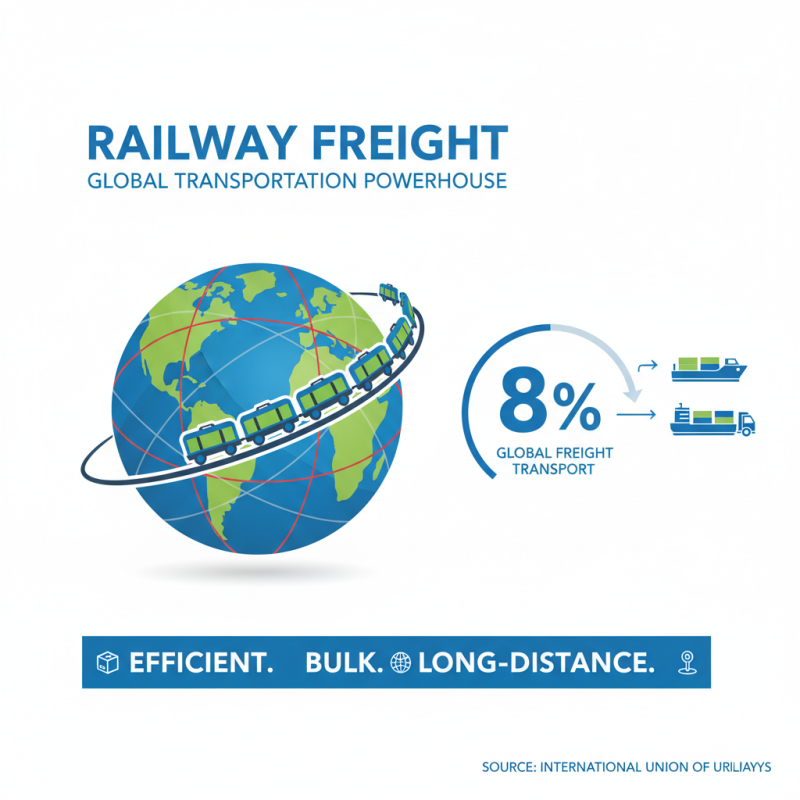
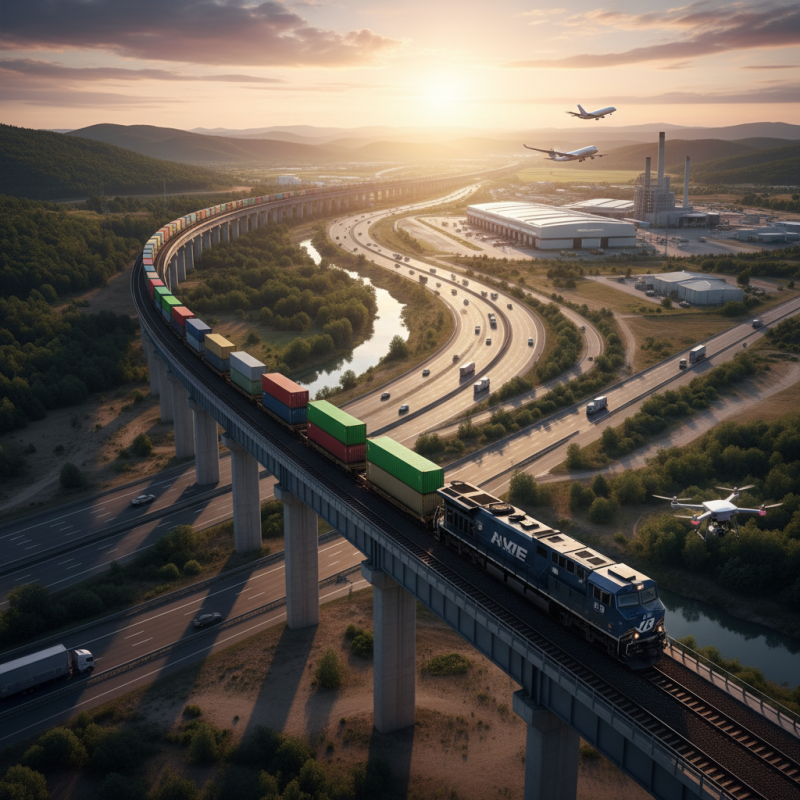
Railway freight plays a crucial role in modern transportation systems. It efficiently moves large quantities of goods across vast distances. According to the International Union of Railways, rail transport accounts for about 8% of global freight transport. This statistic highlights its significance in the logistics sector.
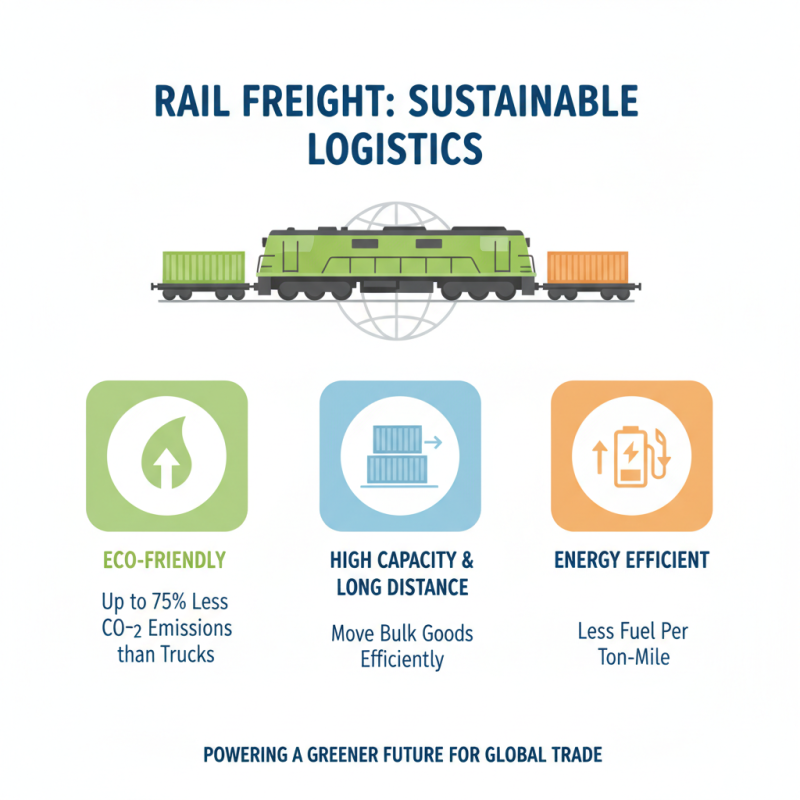
Railways are more fuel-efficient than trucks, reducing carbon emissions. Studies show that transporting goods by rail emits 75% less CO2 than by road. However, issues persist. Many rail networks struggle with outdated infrastructure. This can lead to delays and increased costs. Shippers often raise concerns about reliability. Such challenges call for investment and innovation.
In specific regions, rail freight has shown growth. North America saw an increase of 2.4% in rail freight volume in 2021. Yet, while these numbers are promising, they don't address the need for modernized rail systems. Many terminals are congested, causing slowdowns. Improving the efficiency of railway systems is essential for maintaining competitive advantage. It is a complex issue that requires attention.
Impact of Railway Freight on Supply Chain Efficiency and Cost Reduction
Railway freight plays a crucial role in enhancing supply chain efficiency. It provides a reliable mode of transport for large quantities of goods over long distances. Unlike road transport, railways can carry bulk items like coal, grains, and automobiles. This reduces the need for multiple vehicles, thus lowering carbon emissions.
Cost reduction is another significant advantage. Rail transport generally costs less than trucking for long hauls. A single train can replace dozens of trucks.
However, challenges remain. Areas without rail connections struggle with logistics inefficiencies. This can lead to increased costs and delays.
Moreover, maintaining railway infrastructure requires continuous investment. Aging tracks and outdated systems can hinder efficiency. Yet, improving railway logistics can yield substantial savings. Companies must weigh these pros and cons carefully. It's a balance between initial investments and long-term benefits.
Key Statistics Highlighting the Growth of Railway Freight Transportation
Railway freight has seen impressive growth in recent years. Statistics indicate that the railway sector accounts for a significant portion of global freight transportation. This mode of transport is known for its efficiency and capacity. Trains can carry vast quantities of goods over long distances. In fact, rail networks move more freight than many expect.
Recent data shows that railway freight is growing faster than road transport in several regions. This shift reflects a push for more sustainable transportation. Trains generate lower emissions compared to trucks. This means a smaller carbon footprint. However, the infrastructure needs constant investment. Aging railway systems may limit growth potential and efficiency.
Moreover, the cost-effectiveness of rail transport cannot be ignored. It often proves cheaper than other modes for bulk goods. Yet, challenges remain. Some routes are not well-connected. This can lead to delays and inefficiencies. Balancing speed and cost is a tricky task for operators. Investing in modern technology and infrastructure is crucial for future success.
Why Railway Freight is Essential for Efficient Transportation and Logistics?
This chart illustrates the growth of railway freight transportation in the US over the past decade, highlighting the total ton-miles transported annually (in billions) from 2010 to 2020.
Comparative Analysis: Railway Freight vs. Other Transportation Modes
Railway freight plays a crucial role in the transportation and logistics ecosystem. When compared to other modes, such as trucking and air freight, rail offers unique advantages. It is particularly efficient for bulk goods and long-distance transport. Trains can carry a vast amount of cargo, making them ideal for heavy shipments. The environmental impact is often lower compared to trucks, which burn more fuel per ton.
Trucking is more flexible, allowing door-to-door service. However, it can be costly over long distances. Air freight is faster but very expensive, mostly catering to high-value goods. Rail falls nicely in the middle – it balances speed and cost. Yet, rail networks may not reach certain remote areas, limiting accessibility.
**Tip:** When considering transport options, analyze the type of goods. If you transport heavy or bulk items, railway freight may be the best choice.
Still, rail isn't perfect. Delays can happen due to various factors, like maintenance or schedules. Some businesses might face challenges in coordinating shipments with train schedules.
**Tip:** Always plan shipments in advance. This aids in adjusting to potential delays. It allows for better integration with other transportation modes, ensuring a smoother logistics process.
Why Railway Freight is Essential for Efficient Transportation and Logistics? - Comparative Analysis: Railway Freight vs. Other Transportation Modes
| Transportation Mode |
Cost per Ton-Mile (USD) |
Typical Load Capacity (tons) |
Emissions (g CO2/ton-mile) |
Speed (mph) |
Ideal For |
| Railway Freight |
$0.02 |
100-150 |
0.23 |
25-50 |
Bulk commodities, intermodal transport |
| Truck Freight |
$0.10 |
20-30 |
0.45 |
45-60 |
Short-distance delivery, time-sensitive goods |
| Air Freight |
$0.50 |
5-10 |
0.75 |
500-600 |
Urgent shipping, high-value goods |
| Maritime Freight |
$0.05 |
200-300 |
0.10 |
15-25 |
International shipping, non-perishable goods |