How to Optimize European Rail Transport for Global Buyers?
European Rail Transport plays a vital role in global logistics. As global buyers increasingly seek sustainable solutions, optimizing this sector is crucial. Transport expert Dr. Anna Müller states, "The future of trade relies heavily on efficient rail networks." Her insights highlight the importance of innovation and efficiency in European rail systems.
Despite advancements, challenges persist. Aging infrastructure and regulatory hurdles slow progress. Buyers face delays and increased costs, which can impact supply chain efficiency. Rail transport must adapt to meet growing demands for speed and sustainability. These changes require collaboration among stakeholders to create a seamless experience.
In addition, aligning technologies will be essential. Integrating digital tools can enhance tracking and communication. However, these improvements must consider existing limitations. This dynamic landscape invites reflection on how European Rail Transport can better serve diverse needs. Embracing these challenges can lead to a more efficient future in global supply chains.
Understanding the Current Landscape of European Rail Transport
The European rail transport system is a vital part of logistics. It connects major cities and industrial hubs across the continent. However, various challenges persist. Aging infrastructure often causes delays. Moreover, inconsistent regulations among countries complicate operations.
Many rail networks lack digital integration. Tracking shipments in real-time can be difficult. This hinders efficiency and transparency. Additionally, varying safety standards can complicate international freight transport. Global buyers need reliable transport options but face hurdles in the current landscape.
Investment in technology could enhance this sector. Automated systems can streamline processes and reduce errors. Yet, implementation costs can be daunting. The focus should be on collaboration among European nations to standardize protocols. This approach could foster a more efficient rail transport system for global buyers.
Identifying Opportunities for Global Buyers in Rail Systems
Across Europe, rail transport is undergoing significant evolution. Global buyers should recognize the numerous opportunities in this sector. Reports indicate that the European rail market is projected to reach €100 billion by 2025, driven by sustainability and efficiency demands. This growth presents avenues for investment in innovative rail systems.
Critical trends to note include the adoption of digital technologies. The integration of smart signaling and predictive maintenance capabilities enhances safety and operational efficiency. However, challenges remain. Not all rail systems are fully digitized, leaving room for improvement. Buyers need to identify districts where innovation lags, potentially leading to lucrative partnerships for upgrades and retrofits.
Additionally, sustainability initiatives are reshaping the industry. With EU regulations emphasizing reduced carbon emissions, investments in eco-friendly rail solutions are timely. According to industry surveys, 78% of rail operators prioritize sustainable practices, creating space for global buyers focused on environmental technologies. The demand for cleaner operations is a crucial point of entry for those looking to optimize rail transport systems in Europe.
Implementing Technology for Enhanced Efficiency in Rail Services
The integration of technology in European rail transport is crucial for improving efficiency. Data analytics can enhance scheduling. Real-time tracking solutions can ensure timely arrivals. These innovations streamline operations and reduce delays. However, implementing such technologies can be challenging.
Investing in advanced signaling systems is essential. These systems can help prevent accidents and manage train traffic effectively. Additionally, adopting automated maintenance tools can identify issues before they become critical. Yet, the cost of these technologies may deter some stakeholders. There must be a balance between investment and potential savings.
Training staff to use new technologies is another hurdle. Employees must adapt to new systems. Regular workshops can help, but the transition might still face resistance. Continuous improvement is vital, and feedback from users can guide enhancements. The path forward requires commitment and collaboration among all parties involved.
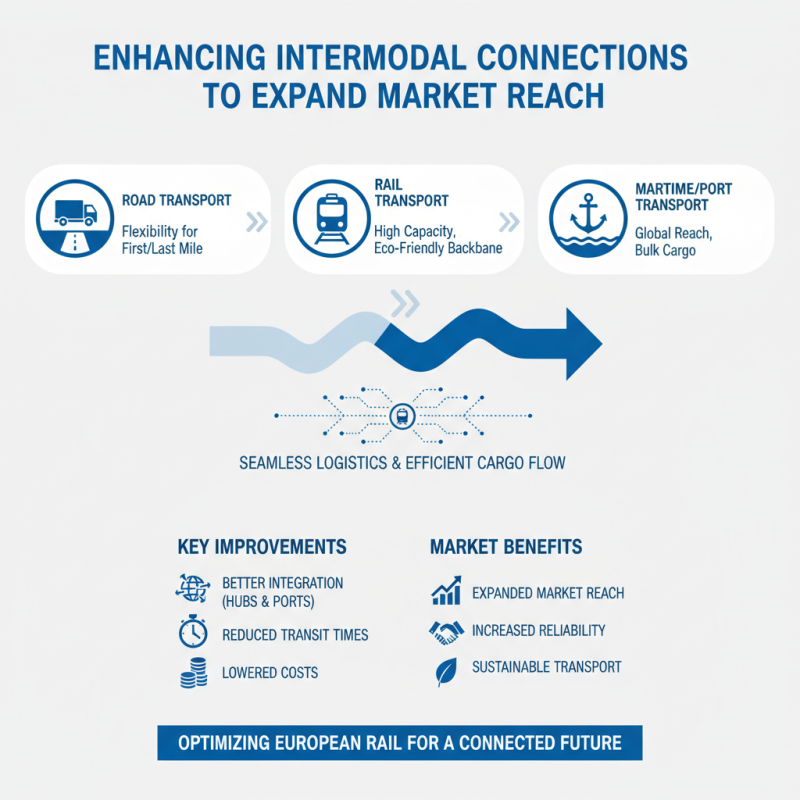
Enhancing Intermodal Connections to Expand Market Reach
Enhancing intermodal connections is vital for optimizing European rail transport. Strong interconnectivity between rail, road, and maritime services creates seamless logistics. This improvement allows for more efficient cargo movement. Rail networks need better integration with hubs and ports. This could reduce transit times and costs significantly.
Direct access to major terminals is crucial. While some regions have robust infrastructure, many still lack adequate connections. The challenge lies in addressing these gaps. Investing in upgrading facilities can help. Collaboration between stakeholders is essential to drive these improvements forward.
Reliable scheduling and real-time tracking add value. However, interruptions and delays often hinder efficiency. Shippers require consistent information to make informed decisions. A push for standardized communication protocols can help mitigate such issues. By focusing on these elements, the rail transport system can become more agile and competitive in a global market.
Strategies for Sustainable Practices in European Rail Transport
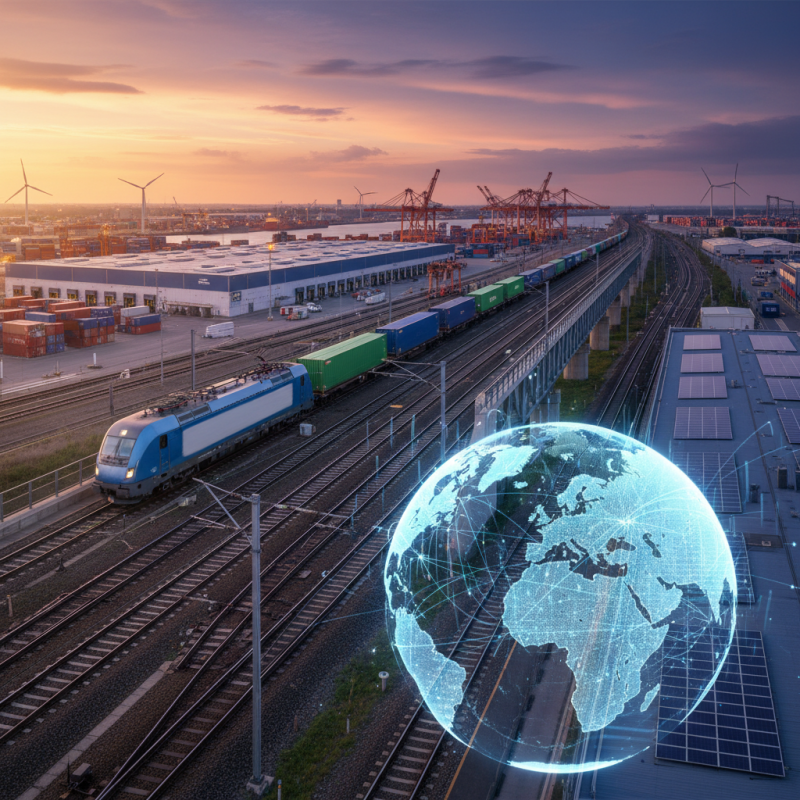
European rail transport can significantly enhance its appeal to global buyers through sustainable practices. Using renewable energy sources is a crucial step. Solar panels and wind energy can power train operations, reducing carbon emissions. This shift not only addresses environmental concerns but also attracts buyers looking for greener logistics.
Implementing energy-efficient technologies in trains can further optimize rail systems. Lightweight materials and advanced aerodynamics improve fuel efficiency. However, the industry sometimes struggles with outdated infrastructure, hindering progress. This gap warrants attention. Enhancing facilities with modern upgrades can benefit both operators and customers.
Tips for sustainable practices include fostering collaboration among stakeholders. Open communication creates innovative solutions for environmental challenges. Additionally, regular audits of energy use can identify inefficiencies. Establishing benchmarks for improvement holds companies accountable, promoting continuous growth.