How to Optimize Container Transport for Maximum Efficiency?
Container transport is a critical component of global trade, yet many still overlook efficiency. According to the International Maritime Organization, container ships account for over 80% of global trade by volume. With the ever-increasing demand for fast delivery, optimizing container transport has become essential. Industry expert Sarah Thompson stated, "Improving efficiency in container transport can significantly reduce costs and delivery times."
Companies face challenges in streamlining operations. Factors such as port delays and inefficient routing can hinder progress. A report from the Shipping Industry Association notes that delays can cost companies over $5 billion a year. This situation calls for innovative solutions to maximize container transport efficiency.
Recognizing the nuances and complexities of logistics is crucial. Not every strategy works for every company, and trial and error is often needed. This reflection is vital in a rapidly evolving market where demands shift overnight. Finding the right balance between cost-effectiveness and responsiveness is an ongoing struggle for many in the industry.
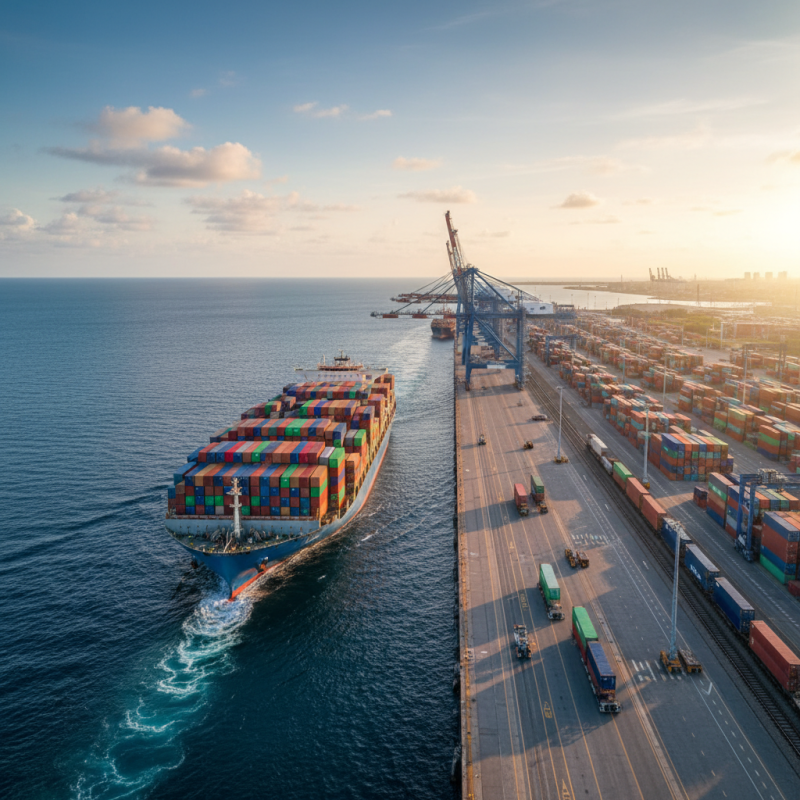
Strategies for Streamlining Container Transport Operations
Streamlining container transport operations is crucial for achieving maximum efficiency. Start by assessing current processes. Are there delays? Identify bottlenecks that slow down operations. For instance, excessive paperwork can create hindrances. Simplifying documentation can speed up handling times significantly.
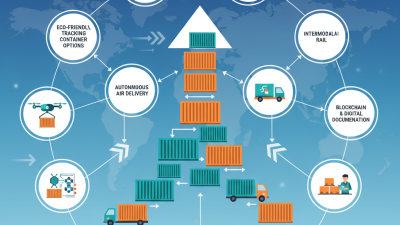
Next, consider technology integration. Automated systems can track containers in real-time. This reduces uncertainty for logistics teams. Additionally, using predictive analytics can help forecast demand. However, implementing new tech can be challenging. Staff may require training. There might be initial resistance to change. Addressing these issues is essential for smooth transitions.
Lastly, collaboration with stakeholders is vital. Engaging with transport partners can enhance service levels. Share data and insights to create a more open network. However, communication gaps can still occur. Regular meetings can improve understanding among teams. Reflect on these aspects and work towards refining the overall approach to container transport.
Container Transport Efficiency Optimization
Utilizing Technology to Enhance Container Tracking and Management
Effective container management hinges on embracing technology. Real-time tracking plays a crucial role in this process. By using GPS and RFID systems, companies can monitor their containers' locations at every stage. This capability minimizes lost shipments and enhances delivery accuracy. However, not all businesses fully utilize these tools. Some still rely on outdated methods, which impairs their efficiency.
Data analytics also significantly boosts container transport efficiency. Analyzing traffic patterns and port congestion can optimize shipping routes. Companies can save time and reduce costs. Yet, many organizations struggle to interpret this data effectively. They may gather data but lack the tools to analyze it thoroughly. This oversight can lead to missed opportunities for improvement.
Training staff in technology use remains a challenge. Employees need to understand new systems and processes. Investing in proper training is essential, yet often overlooked. Many businesses hesitate to allocate resources for development. As a result, some staff may resist using advanced tracking systems, hindering overall efficiency. Recognizing these gaps is vital for continuous improvement in container transport management.
Implementing Efficient Loading and Unloading Procedures
Implementing efficient loading and unloading procedures significantly enhances container transport efficiency. According to a recent industry report, optimizing these processes can reduce overall transport time by 20%. Every minute saved during loading or unloading increases the utilization of transport resources. Containers that sit idle lead to lost revenue and frustrated operators.
Tips: Standardize loading patterns. Use color codes for faster identification. Train staff to adhere to these protocols consistently.
Emphasizing quick turnaround is vital. Streamlined communication between dockworkers and truck drivers avoids delays. Investing in technology, like real-time tracking systems, has shown to reduce loading times by up to 30%. However, it requires proper training. Teams often struggle to adapt to new systems initially. Ensuring everyone is on the same page is crucial to avoid confusion.
Tips: Conduct regular training sessions. Reevaluate performance metrics frequently. Encourage feedback to improve processes.
A key challenge remains unpredictable weather conditions. Storms or heavy rainfall can hinder loading efficiency. This factor often causes a ripple effect throughout the supply chain. The need for contingency plans is undeniable. Implementing buffer times in schedules can mitigate the impact of unforeseen delays.
Optimizing Routes and Schedules for Timely Deliveries
Efficient container transport hinges on optimizing routes and schedules. This process can significantly enhance timely deliveries. Before planning, analyze the demand patterns. Identify peak times and adjust your schedules accordingly. Use tools that provide real-time data for better decision-making.
Tip: Regularly review traffic patterns. You may find unexpected bottlenecks. Sometimes, a shortcut may not save time if traffic is high.
Always consider multiple routing options. Flexibility in routes can prevent delays. Test different routes during off-peak hours. Gather feedback from drivers about their experiences. Their insights can help improve planning.
Tip: Monitor fuel consumption closely. If a route requires more fuel than expected, it might not be the best option. Make adjustments based on real-world performance. Efforts to optimize should be ongoing.
Reducing Costs through Collaborative Logistics Partnerships
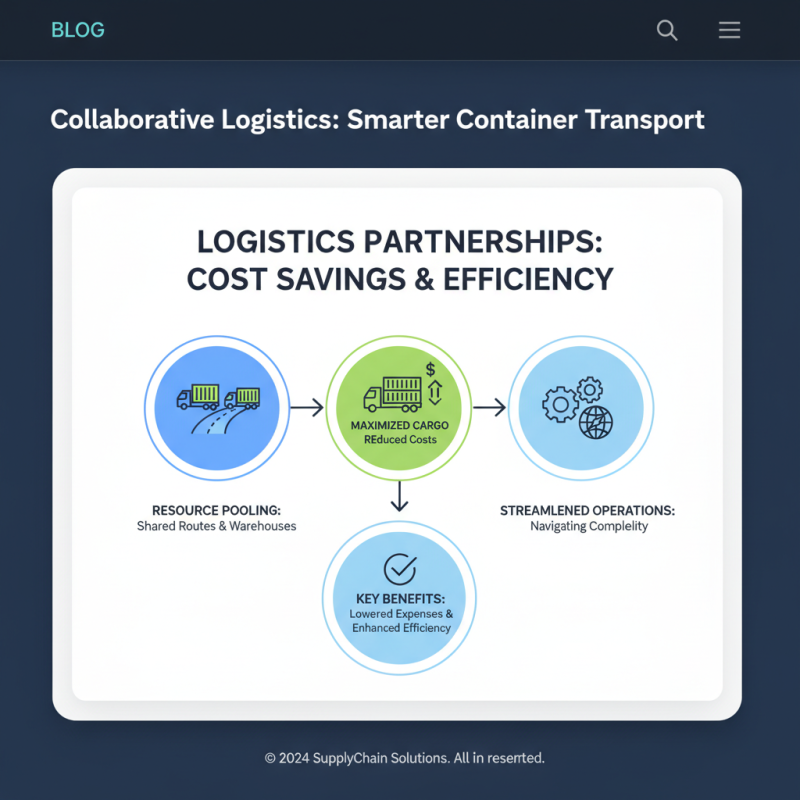
Collaborative logistics partnerships can significantly reduce costs in container transport. By pooling resources, companies share transportation routes and warehouse spaces. This method not only lowers expenses but also maximizes cargo space. When businesses work together, they can better navigate the complexities of logistics.
Tips: Identify potential partners in your industry. Look for businesses that complement your services. Establish regular communication for better synchronization. A more integrated approach often reveals unexpected efficiencies.
Another important aspect is data sharing. Real-time information about inventory, demand, and shipment status can improve responsiveness. When partners are transparent, they make informed decisions quickly. This can lead to less wasted time and reduced overhead costs.
Tips: Adopt shared technology platforms. Use simple tools to streamline communication. Ensure that all partners have access to the same information.
Finally, continuous evaluation of partnerships is essential. Some relationships may not yield the expected benefits. Regular assessments help identify areas for improvement. Remember, agility in logistics is critical in today’s fast-paced market. Adjustments ensure that everyone remains aligned with their goals.