How to Navigate International Logistics for Your Business?
Navigating international logistics can be complex and challenging. It requires careful planning and execution. According to Sarah James, a renowned expert in the field, “Successful international logistics hinges on strong communication and adaptability.” This underscores the importance of not only knowing the regulations but also being ready to pivot when situations arise.
In today’s global marketplace, businesses face numerous hurdles. These include customs regulations, transport costs, and varying delivery times. By understanding the intricacies of international logistics, companies can enhance their competitiveness. It's vital to build reliable partnerships with shipping and freight forwarders. This ensures that goods move smoothly across borders and arrive on time.
However, challenges still exist. Logistics delays often occur unexpectedly. Businesses must remain vigilant. Regularly assessing logistics strategies can lead to insights. Perhaps there are hidden inefficiencies to address. Embracing technology can streamline operations, but it also demands ongoing training and adjustment. Ultimately, navigating international logistics is a dynamic journey that requires both strategic foresight and practical adaptability.

Understanding International Logistics Basics
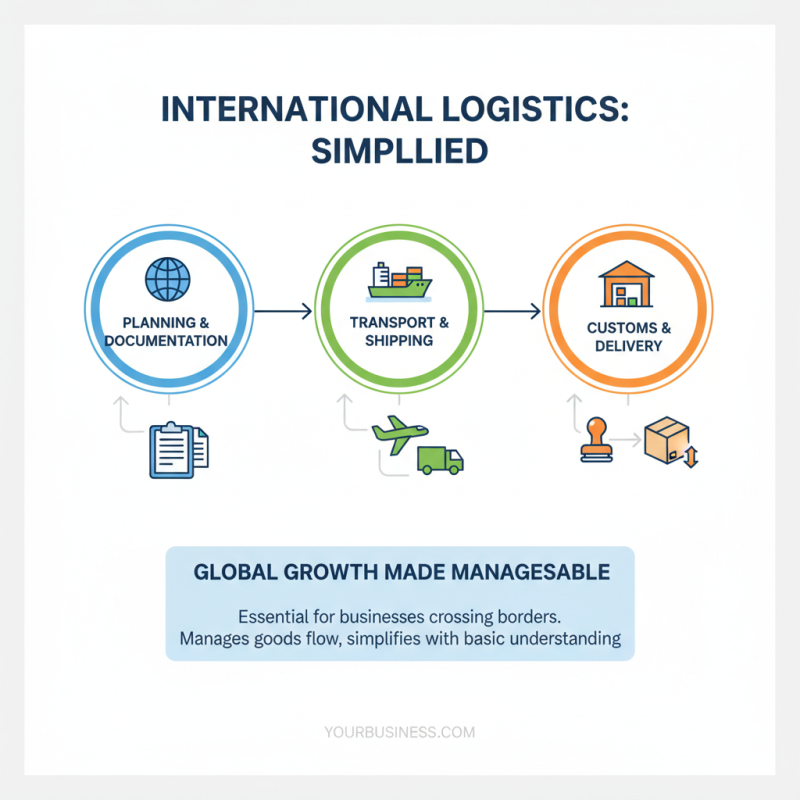
Understanding international logistics is essential for any business aiming to cross borders. The process involves managing the flow of goods between different countries. This can seem overwhelming, especially for small businesses. However, grasping the basics can simplify logistics management.
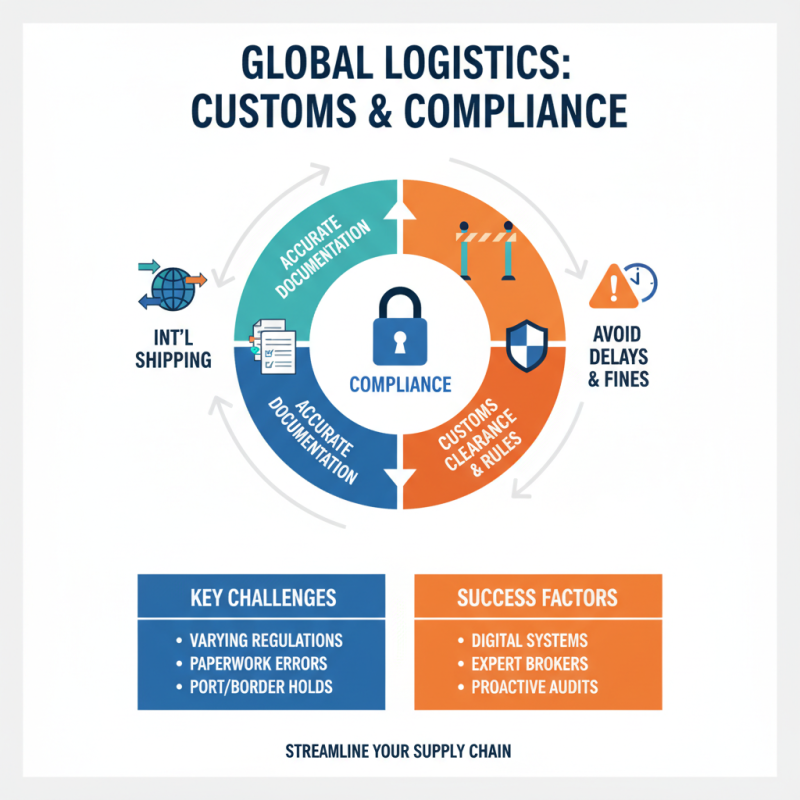
Start by mapping your supply chain. Identify key players like suppliers, manufacturers, and distributors. Knowing who is involved will help you streamline operations. It’s also vital to understand customs regulations in your target markets. Each country has its own rules, which can cause delays. Researching these beforehand can save you time and money.
Tips: Always keep open communication with your logistics partners. Misunderstandings can lead to costly errors. Regular updates can prevent issues. Additionally, consider using technology to track shipments. This offers real-time insights and enhances transparency. It can be challenging to navigate various systems, but technology is a valuable ally.
Remember, not everything will go according to plan. It’s crucial to stay flexible. Unexpected customs fees or delays can arise. Reflecting on what went wrong in past shipments can lead to better decision-making. Embrace these challenges as growth opportunities.
Choosing the Right Shipping Methods for Your Business
Choosing the right shipping methods for your business is crucial. You have various options, such as air freight, sea freight, and ground transportation. Each has its pros and cons. Air freight is fast but expensive. Sea freight is cost-effective but takes longer. Ground transport can be convenient for regional deliveries.
Consider your product type and delivery timeline. Fragile items often require careful handling. Heavy goods might be best shipped via ocean. It's important to think critically about your choices. Are you prioritizing speed or cost? Sometimes, companies overlook hidden fees. These can significantly impact your budget.
Seek feedback from your logistics team. They can provide insights on what works and what doesn’t. Reflect on your past shipping experiences. Did delays affect customer satisfaction? Was there too much paperwork? Learning from these issues can enhance your decision-making process. Making informed choices will boost your efficiency in the long run.
How to Navigate International Logistics for Your Business? - Choosing the Right Shipping Methods for Your Business
| Shipping Method |
Transit Time |
Cost (Estimate) |
Best For |
| Air Freight |
1-5 Days |
$$$ |
Urgent Shipments |
| Ocean Freight |
10-30 Days |
$ |
Large Volume Shipments |
| Rail Freight |
5-15 Days |
$$ |
Heavy Goods |
| Truck Freight |
1-7 Days |
$$ |
Regional Shipments |
| Courier Services |
1-3 Days |
$$$$ |
Small Packages |
Cost Control: Budgeting for International Logistics
Navigating the complexities of international logistics is challenging. Cost control is a vital focus for businesses aiming for success. According to a report by Statista, logistics costs can account for 10% to 15% of total sales. This significant expense requires strategic budgeting.
When planning your budget, consider all variables. Freight rates often fluctuate, sometimes by 20% or more annually. This unpredictability can strain budgets if not anticipated. Additionally, customs duties and taxes can vary widely across countries, adding layers of complexity. Assessing these costs upfront helps mitigate unexpected expenses down the line.
Tracking inefficiencies is another crucial step. Reports show that poor inventory management can lead to excess costs of 25% or more. Regularly evaluating shipping methods and routes can uncover potential savings. Businesses often overlook the importance of researching new transportation partners, which can lead to missed opportunities for cost reduction. Focusing on data-driven decisions can refine your logistics process.
Building Strong Relationships with Global Suppliers and Partners
Building strong relationships with global suppliers and partners is crucial for navigating international logistics. According to a report by the International Trade Centre, 73% of businesses that cultivate good supplier relationships experience increased efficiency. This kind of efficiency can lower costs and improve delivery times. However, fostering these relationships requires consistent communication and a willingness to adapt.
Cultural differences often become a barrier. Language can create misunderstandings. Time zone differences complicate scheduling calls. A recent study indicated that 41% of companies struggle with effective communication across borders. It's essential to prioritize regular updates and check-ins. Perhaps using simple language can bridge the gap. Video calls can add a personal touch that emails lack.
Loyalty is not guaranteed. Supplier turnover can disrupt logistics. In fact, about 25% of businesses experienced supply chain disruptions in the last year alone, according to industry analysts. This highlights the need for flexibility. Diversifying suppliers can mitigate risks. However, maintaining a few strong, reliable relationships can offer stability in times of uncertainty. Investing in these connections pays off over time, but it takes ongoing effort and reflection.
International Logistics Efficiencies in 2023
This bar chart illustrates the average time (in days) taken for different modes of international logistics in 2023. As businesses expand globally, understanding these time frames is crucial for building efficient supply chains and strong partnerships with international suppliers.