Why International Transportation Is Essential for Global Trade Expansion?
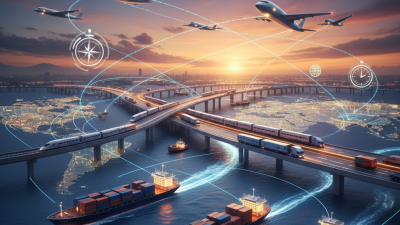
International transportation serves as the backbone of global trade. According to Dr. Emily Carter, a renowned expert in logistics, "Without effective international transportation, trade would collapse." This statement highlights the critical role that international transportation plays in commerce.
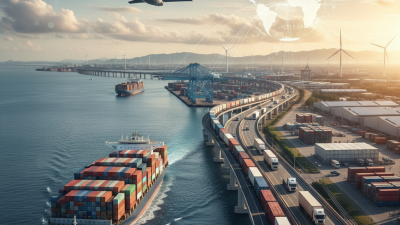
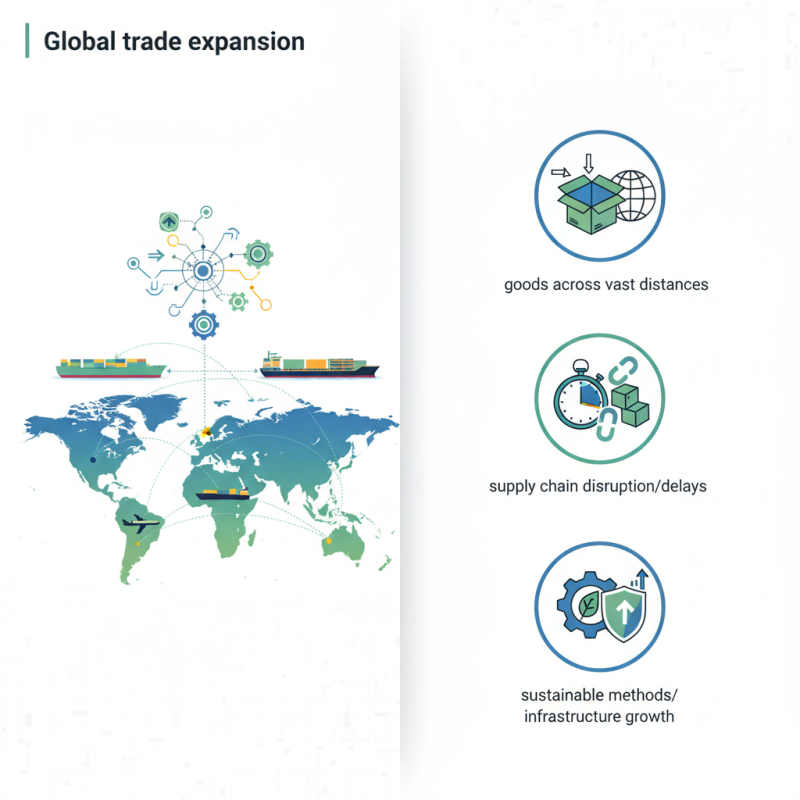
Goods travel across vast distances. Products made in one country are often sold in another. For instance, electronics from Asia reach consumers in North America. The efficiency of transportation networks impacts this movement significantly. Delays can disrupt supply chains, affecting businesses worldwide.
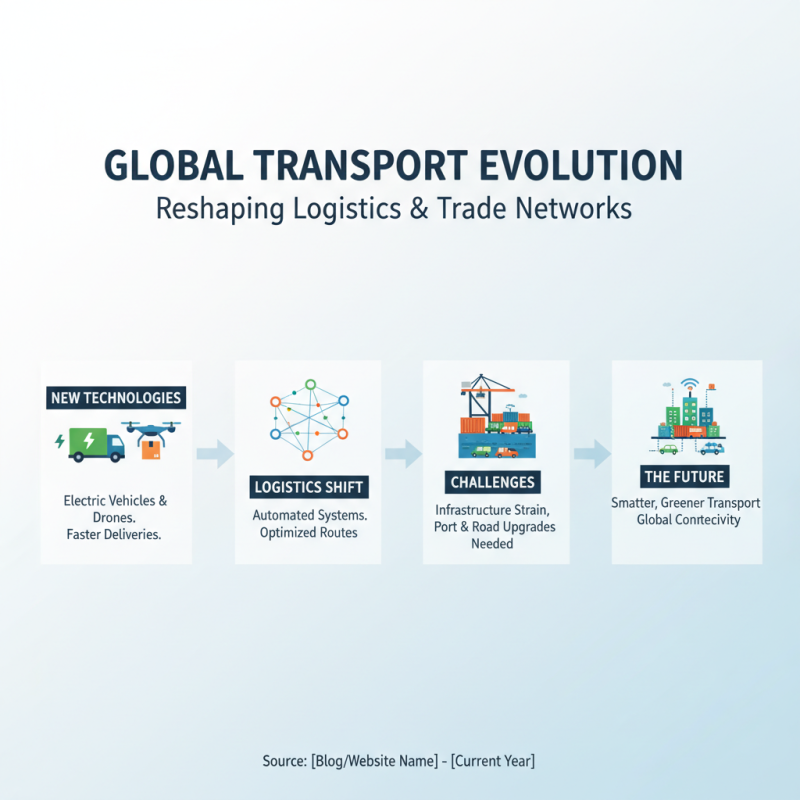
However, challenges exist. Infrastructure may not always keep pace with demand. Environmental concerns also arise, calling for sustainable methods. As nations expand their trade relationships, the need for robust international transportation solutions grows more pressing. Exploring these intricacies highlights a complex yet vital aspect of global trade.
The Role of International Transportation in Facilitating Trade
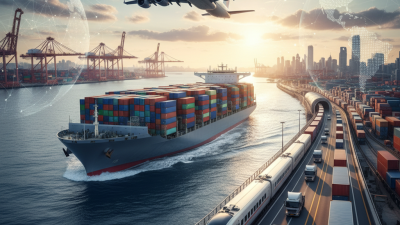
International transportation plays a pivotal role in trade. Goods travel across borders daily. This movement enhances economic connections between countries. It fosters collaboration and growth. Ports and airports serve as gateways. They facilitate the exchange of products, boosting local economies.
Despite advancements, challenges remain. Delays in shipping can disrupt supply chains. Not all regions have equal access to transportation. Small businesses often struggle with logistics. These issues can lead to increased costs, affecting prices globally. Reflection on these barriers can spur innovation to improve systems.
Efficient transport systems increase trade volume. They open up markets for various goods. As nations connect through transportation, they share not just products, but also cultures and ideas. Addressing imperfections in global transport can pave the way for a more integrated world.
Why International Transportation Is Essential for Global Trade Expansion? - The Role of International Transportation in Facilitating Trade
| Country |
Export Value (USD Billion) |
Import Value (USD Billion) |
Main Transportation Modes |
Trade Agreements |
| United States |
2,100 |
2,600 |
Air, Sea, Road |
USMCA, TPP |
| China |
2,500 |
1,800 |
Sea, Rail, Air |
RCEP |
| Germany |
1,800 |
1,200 |
Road, Rail, Sea |
EU, EFTA |
| Japan |
700 |
600 |
Sea, Air |
EPA with EU |
| India |
300 |
450 |
Road, Sea, Air |
SAFTA |
Types of International Transportation and Their Impact on Trade Efficiency
International transportation is a vital component of global trade. Various modes—sea, air, and land—play distinct roles in enhancing trade efficiency. According to the World Bank, countries that invest in efficient transport networks can reduce trade costs by up to 15%. This is significant for economies seeking to expand their market presence.
Sea freight remains the backbone of international trade. It handles over 80% of global merchandise by volume. However, it is often slower, leading to potential inventory challenges. Air cargo, while more expensive, offers speed for high-value goods and perishables. It can reduce delivery times to days instead of weeks. According to IATA, air freight accounts for 35% of global trade by value, highlighting its importance despite limited volume capacity.
Land transportation, particularly rail and trucking, connects inland manufacturers to ports. However, infrastructure gaps can hinder efficiency. According to OECD reports, inadequate road conditions can increase logistics costs by 10%. Companies must continually evaluate their logistics strategies to ensure optimal performance across all transportation types. Balancing cost and efficiency is not always straightforward, but it remains essential in today’s competitive trade landscape.
Economic Benefits of Expanding Global Trade Through Transportation
International transportation plays a vital role in global trade expansion. It creates numerous economic benefits that drive growth and development. According to the World Trade Organization, international trade can boost GDP by up to 14% for emerging economies. This indicates a profound connection between transportation and economic progress.
Efficient transport networks reduce costs and enhance access to markets. As a result, businesses can engage with global supply chains. The OECD reports that investing in transportation infrastructure can yield up to five times the initial investment in economic returns. This suggests that better highways, railroads, and ports lead to substantial economic gains. However, rapid globalization can also overwhelm local infrastructures, creating strain.
Moreover, transportation fosters competition, encouraging companies to innovate. This can lead to better products and services. A report by McKinsey predicts that digital technologies in transportation could add $1 trillion to the global economy by 2030. Yet, there are challenges. Balancing logistics efficiency with environmental sustainability is complex, and improvements are essential. Transformative approaches are needed to ensure the benefits outweigh the costs in a rapidly changing global landscape.
Challenges and Solutions in International Transportation for Trade Growth
International transportation plays a crucial role in facilitating global trade. However, it faces numerous challenges that can hinder its effectiveness. Poor infrastructure, for example, can lead to delays. Limited access to transport routes may affect timely deliveries. Additionally, regulatory hurdles can impede the smooth flow of goods between countries. Addressing these issues is vital for enhancing trade growth.
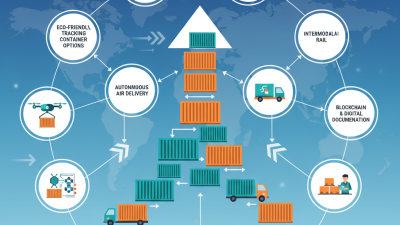
One solution is improving logistics technology. Modern tracking systems can help optimize routes. This can minimize delays and reduce costs. Collaborating with local governments to upgrade infrastructure is another effective approach. Investment in better ports and roads will ease congestion and improve access.
Tips: Always communicate clearly with your transport partners. Misunderstandings can lead to costly mistakes. Regular assessments of your transportation processes can reveal hidden inefficiencies. By staying proactive, businesses can adapt to changing conditions and enhance their trade capabilities.