
What is International Logistics and How Does It Impact Global Trade?
International logistics plays a crucial role in global trade. According to Dr. Sarah Miller, an expert in the field, “Effective international logistics can make or break a company's success in the global market.” This insight highlights the importance of efficient supply chain management.
In the modern economy, businesses rely heavily on international logistics to connect with customers around the world. Delays or inefficiencies can lead to increased costs and lost opportunities. Companies must navigate complex regulations, customs checks, and transportation challenges. These hurdles often cause frustration and necessitate careful planning and adaptability.
Yet, many organizations overlook the intricacies of international logistics. Focusing solely on costs can lead to oversights in quality and reliability. As global trade continues to grow, understanding this field is vital. Companies that invest time and resources in streamlining their logistics operations are better positioned for success. International logistics is not just about moving goods; it's about creating connections and building trust across borders.
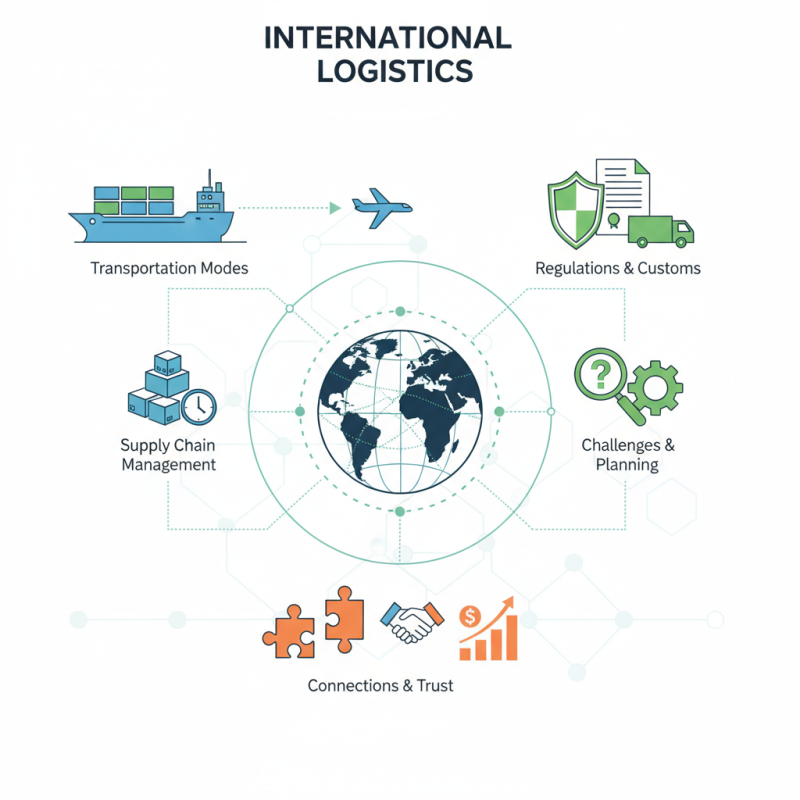
Definition and Key Components of International Logistics
International logistics plays a crucial role in shaping global trade. It encompasses the management of goods as they move across international borders, ensuring timely delivery and efficiency. The key components include transportation, warehousing, inventory management, and documentation. According to the Council of Supply Chain Management Professionals, logistics costs represent about 8% of the total U.S. GDP.
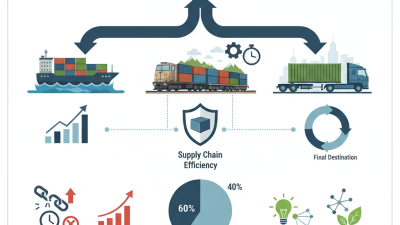
Transportation is a vital element. It involves various modalities, such as air, sea, and land. Each mode has its pros and cons. Air freight is fast but often expensive. Sea freight is cost-effective but slower. Businesses must strategize based on their needs and customer expectations.
Tip: Analyze your shipping needs regularly. Understand when to prioritize speed over cost.
Warehousing impacts storage and distribution. An efficient warehouse minimizes delays. Poor warehousing can lead to inventory shortages or excess stock, affecting cash flow. It's a continuous challenge for many companies.
Tip: Invest in inventory management technologies. They can enhance visibility and optimize stock levels.
Effective documentation ensures compliance with regulations and prevents delays. Confusion over paperwork can lead to costly disruptions. This aspect should not be overlooked in international logistics planning. It's an area that often requires careful attention.
What is International Logistics and How Does It Impact Global Trade? - Definition and Key Components of International Logistics
| Component | Description | Impact on Global Trade |
|---|---|---|
| Transportation | Movement of goods across international borders using various modes such as sea, air, and land. | Facilitates efficient supply chains and reduces lead times in trade. |
| Customs Clearance | Processes required to legalize the import or export of goods through customs authorities. | Ensures compliance with regulations, impacting delivery speed and costs. |
| Warehousing | Storage of goods in designated facilities before distribution. | Affects inventory management and overall logistics costs in global supply chains. |
| Inventory Management | Monitoring and controlling the ordering, storage, and use of components that a company uses in the production of items. | Impacts customer satisfaction and service levels in global trade markets. |
| Logistics Strategy | Plans and processes to optimize the flow of goods and services. | Directly influences competitive advantage and profitability in international markets. |
| Supply Chain Management | Management of the entire production flow of a good or service to maximize quality, delivery, and profitability. | Enhances collaborations and efficiencies in global trade operations. |
Related Posts
-
Best 10 Container Transport Tips to Enhance Your Shipping Efficiency
-
Why is International Logistics Essential for Global Trade Success?
-
Top Container Transport Methods for Efficient Shipping Solutions?
-
Top 10 Container Transport Solutions to Streamline Your Shipping Process
-
10 Essential Tips for Efficient Overseas Transport Solutions?
-
Top Tips for Efficient Bulk Transport Solutions?