How to Improve Rail Transport Efficiency in Central Asia for Better Trade
The efficiency of rail transport in Central Asia stands as a crucial factor in enhancing regional trade and economic development. As countries within this strategically positioned area strive to improve connectivity and logistics, the potential of Central Asia Rail Transport to facilitate smoother trade routes becomes increasingly apparent. Renowned transport expert Dr. Amina Tursunova has emphasized the significance of this topic, stating, "Optimizing rail infrastructure in Central Asia is essential for unlocking the region's trade potential and fostering sustainable economic growth."
In a world where rapid and efficient movement of goods is key to competitiveness, Central Asia Rail Transport is poised to play a transformative role. The intersection of advanced technology, improved operational practices, and regional cooperation will determine how these rail networks evolve. By investing in efficient rail systems, Central Asia can not only bolster its trade relationships with neighboring countries but also integrate more deeply into global supply chains. The path to enhancing rail transport efficiency is laden with challenges, yet the opportunities that lie ahead for trade and economic collaboration are particularly promising.

Assessment of Current Rail Transport Systems in Central Asia
The current rail transport systems in Central Asia face numerous challenges that hinder their efficiency and effectiveness in facilitating trade. One major issue is the lack of infrastructure maintenance and modernization. Many rail lines suffer from outdated technology and insufficient capacity, leading to delays and increased transportation costs. Additionally, the varying standards of rail gauges across the region create significant obstacles for cross-border trade, resulting in time-consuming and costly transshipment processes.
Moreover, the management and operational practices of rail networks in Central Asia are often fragmented and lack coordination among the countries. This disjointed approach leads to inefficiencies, such as irregular schedules and miscommunication between different rail operators. Furthermore, the emphasis on passenger transport sometimes overshadows the need for freight services, limiting the potential for trade enhancement. To improve rail transport efficiency, it is essential to implement comprehensive assessments of the current systems, fostering collaboration among regional stakeholders to streamline operations and invest in modern technologies that align with international standards.
Identification of Key Challenges Affecting Rail Efficiency
Rail transport efficiency in Central Asia faces several key challenges that hinder the region’s potential for enhanced trade. One of the primary issues is the aging infrastructure, which often leads to delays and increased operational costs. Additionally, the lack of standardized procedures and varying gauge sizes between neighboring countries complicate interconnectivity and coordination. These factors not only undermine the reliability of rail services but also deter investment in rail improvements.
To tackle these challenges, stakeholders can implement strategic measures to improve efficiency. First, investing in modernizing existing rail infrastructure can significantly enhance capacity and reliability. Upgrading tracks, signaling systems, and loading facilities would provide faster and more efficient services. Additionally, establishing standardized rail protocols across the region can facilitate smoother cross-border operations.
Tips for enhancing rail efficiency include fostering collaboration among Central Asian nations to create cohesive transport policies. Engaging in regular dialogue to share best practices and experiences can help streamline operations. Furthermore, leveraging technology for real-time tracking and predictive maintenance can help preemptively address issues before they escalate into significant problems, ensuring a more robust rail transport network that supports better trade in Central Asia.
Rail Transport Efficiency in Central Asia
Technological Innovations to Enhance Rail Transport
Technological innovations play a crucial role in enhancing rail transport efficiency in Central Asia, fostering better trade across the region. Implementing advanced digital technologies can significantly streamline operations, from scheduling and tracking to maintenance and customer service. For instance, the integration of Internet of Things (IoT) devices in trains and railway infrastructure allows for real-time monitoring of train conditions and infrastructure health, enabling proactive maintenance that reduces downtime and improves punctuality.
Additionally, automation and artificial intelligence can revolutionize decision-making processes within rail logistics. Algorithms can optimize routing and scheduling, minimizing delays and maximizing cargo space utilization. Furthermore, the deployment of advanced signaling systems ensures safer and more efficient train movements, significantly increasing the capacity of existing rail networks. By embracing these technological advancements, Central Asian countries can not only enhance their rail transport efficiency but also position themselves as pivotal players in regional and global trade networks.
Policy Recommendations for Improved Rail Infrastructure
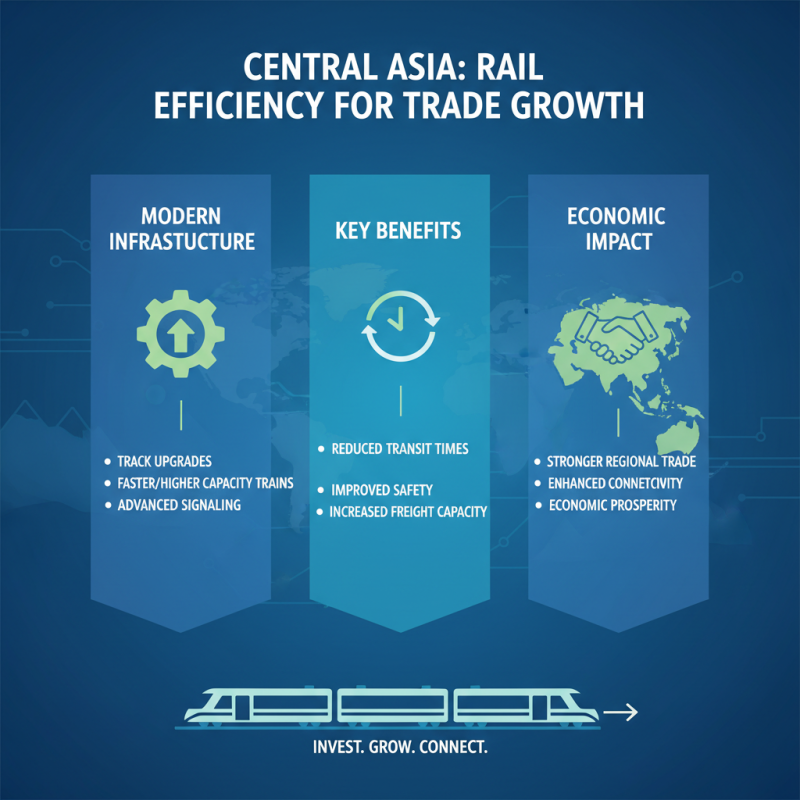
Improving rail transport efficiency in Central Asia is critical for enhancing trade opportunities within the region. One of the primary policy recommendations involves investing in modern rail infrastructure. This includes upgrading existing tracks, increasing the speed and capacity of trains, and implementing advanced signaling systems. Such investments can substantially reduce transit times, improve safety, and accommodate the growing freight demand, ultimately fostering stronger economic ties among Central Asian countries.
Additionally, promoting regional cooperation on rail connectivity can significantly enhance trade efficiency. Policymakers should facilitate joint ventures between neighboring countries to harmonize rail regulations and standards. This cooperation can lead to streamlined border crossings and reduced customs procedures, which often impede timely transport. Moreover, developing a strategic framework for cross-border rail projects can ensure that new lines are constructed to complement existing networks, maximizing the synergy and effectiveness of rail transport across Central Asia.
Potential Partnerships for Investment and Development in Rail Systems
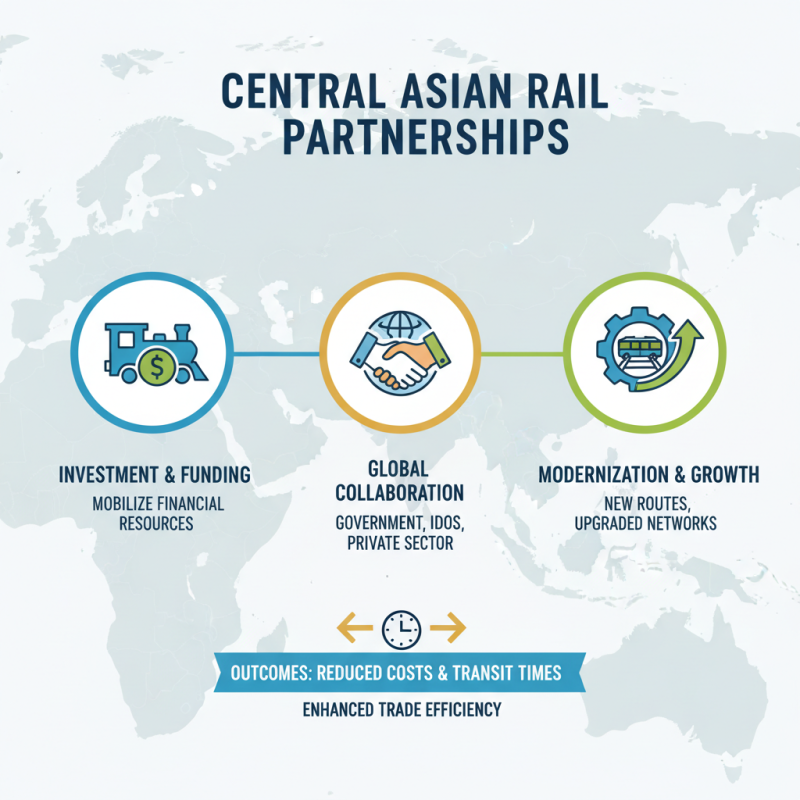
In Central Asia, the development of rail transport systems is crucial for enhancing trade efficiency within the region and with neighboring markets. To achieve this, fostering potential partnerships for investment is essential. Government entities from Central Asian countries can collaborate with international development organizations and private investors to mobilize financial resources and expertise. Such partnerships can facilitate the modernization of existing rail networks, promote the construction of new routes, and enhance logistics capabilities, ultimately reducing transportation costs and transit times.
Furthermore, engaging with technology firms specializing in rail infrastructure can lead to the adoption of innovative solutions. These could include advanced signaling systems, automated tracking technologies, and energy-efficient locomotives, which collectively improve operational efficiency. By approaching this from a multi-stakeholder perspective, Central Asia can leverage not only financial investments but also knowledge transfer and technical support to enhance its rail systems. Enablement of such collaborations will create a more integrated transport network that supports regional trade ambitions and promotes economic growth throughout the area.