Top 10 Forwarder Cargo Tips for Global Buyers Seeking Efficiency?
In today's interconnected world, efficiency in logistics has become paramount for global buyers. According to a report by Statista, the global freight forwarding market is projected to reach $250 billion by 2025. This underscores the growing importance of strategizing shipping methods. Forwarder cargo services play a critical role in optimizing supply chains.
Navigating the complexities of international shipping can be daunting. Buyers must ensure timely deliveries while minimizing costs. Importantly, many companies still grapple with inefficiencies. A study from Deloitte indicates that nearly 60% of firms face challenges in their logistics processes. This calls for effective utilization of forwarder cargo services.
Moreover, communication and transparency are essential. Misunderstandings can lead to delays, impacting overall productivity. Many buyers may overlook these factors. Yet, neglecting them can result in costly mistakes. Thus, understanding forwarder cargo can significantly enhance operational efficiency and drive competitive advantage.

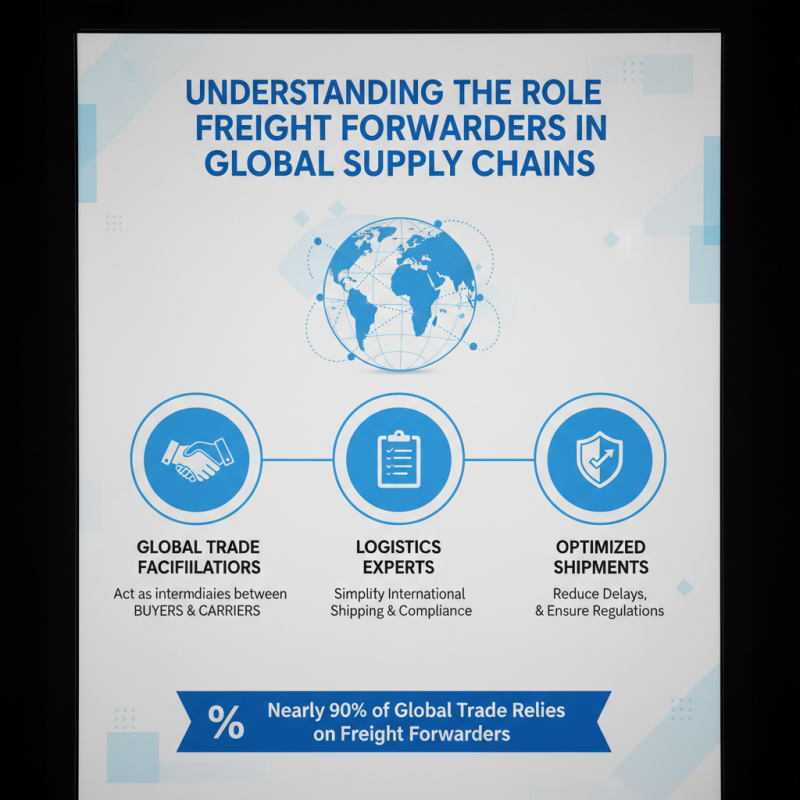
Understanding the Role of Freight Forwarders in Global Supply Chains
Freight forwarders play a crucial role in global supply chains, acting as intermediaries between buyers and carriers. They simplify the process of international shipping. In fact, nearly 90% of global trade relies on freight forwarders for logistics management. Their expertise ensures that shipments are compliant with regulations, reducing delays and penalties.
Efficiency is key for global buyers. A study by the International Air Transport Association reveals that the logistics sector accounts for about 12% of the global GDP. Delays in shipping can lead to significant financial losses. For instance, a mere 1% increase in shipping efficiency can save companies millions. Freight forwarders leverage technology, like tracking systems, to enhance visibility throughout the shipping process.
However, not all freight forwarders provide the same level of service. Buyers often face challenges in finding reliable partners. Inconsistent communication and lack of transparency can hinder operations. Establishing clear expectations and maintaining open dialogue are essential. As the industry evolves, buyers must remain vigilant and reassess their partnerships to align with their efficiency goals.
Key Performance Indicators (KPIs) for Evaluating Forwarder Efficiency
When evaluating the efficiency of forwarders, Key Performance Indicators (KPIs) become essential. Accurate metrics provide insight into various aspects of the logistics process. Timeliness is a crucial KPI; delays can increase costs significantly. Measuring on-time delivery [OTD] rates helps assess how well a forwarder meets commitments. A high OTD rate indicates reliability.
Another vital KPI is cost efficiency. Buyers need to understand how much they pay in relation to the services received. Analyzing freight costs against service level helps determine if you're getting value. Often, lower prices come with hidden drawbacks, such as reduced service quality.
Additionally, responsiveness is worth noting. The speed at which a forwarder communicates can make or break your supply chain. Consider tracking response times to inquiries and issues. Frequent delays in communication can signal potential problems. Not all forwarders excel in this area, and reflecting on their performance in your specific context is crucial for long-term relationships.
Top 10 Forwarder Cargo Tips for Global Buyers Seeking Efficiency
Streamlining Customs Procedures: Best Practices for Global Buyers
Streamlining customs procedures is essential for global buyers aiming to enhance efficiency. Effective management of these processes can significantly reduce delays and costs. According to a recent report by the World Customs Organization, inefficiencies in customs procedures can add up to 20% to total shipping costs. This emphasizes the need for global buyers to optimize their approach.
One key tip is to ensure all documentation is accurate and complete. Errors can lead to hold-ups and additional fees. It’s crucial to stay updated on regulations and policies, which can vary by country. Collaborating closely with customs brokers can also expedite the process, providing expert insights into compliance and procedural nuances.
Utilizing technology can greatly improve transparency and tracking. Digital platforms allow for real-time updates on shipment status, enabling buyers to monitor their goods efficiently. Implementing automated customs solutions can enhance data accuracy, thus speeding up approvals. Regular training for staff on customs requirements will ensure that everyone is on the same page, reducing mistakes.
Choosing the Right Mode of Transport: Sea, Air, or Land Freight?
When choosing a mode of transport, buyers face tough decisions. Sea freight is often favored for large volumes. It is economical for shipping bulk goods. According to the International Maritime Organization (IMO), sea freight accounts for about 90% of global trade by volume. However, it involves longer transit times, up to several weeks.
Air freight provides speed, making it ideal for perishable goods or urgent shipments. Reports from the International Air Transport Association (IATA) show that air freight represents approximately 35% of global trade by value, despite only 1% by volume. Rates can be high, and capacity is sometimes limited. Thus, it’s essential to evaluate cost versus urgency.
Land transport often complements sea and air options. Trucking is efficient for short distances and distribution networks. Yet, road conditions can vary widely. Traffic delays and infrastructure issues can cause unpredictability. Findings indicate that land freight can represent a significant portion of total shipping costs. This requires careful consideration and planning by global buyers to optimize efficiency. Decisions must weigh speed, cost, and reliability based on unique shipment needs.
Leveraging Technology: Automation and Tracking for Improved Shipping Efficiency
In the realm of global shipping, leveraging technology is key to enhancing efficiency. Automation and tracking systems simplify complex processes. For buyers, using advanced tracking tools helps monitor shipments in real-time. This visibility enables quick decisions and reduces delays.
One tip for maximizing shipping efficiency is to implement automated workflows. Streamlining document handling saves time and reduces errors. Another insight is to utilize cloud-based platforms for easy access to shipment data. These tools allow all stakeholders to collaborate effectively, enhancing communication.
Invest in training your team on new technologies. Employee engagement with digital tools leads to better overall performance. It's important to regularly review these systems. They may require adjustments based on evolving shipping needs. Embrace change and continuously seek improvement for a more effective supply chain.