What is Forwarder Cargo and How Does It Benefit Global Buyers?
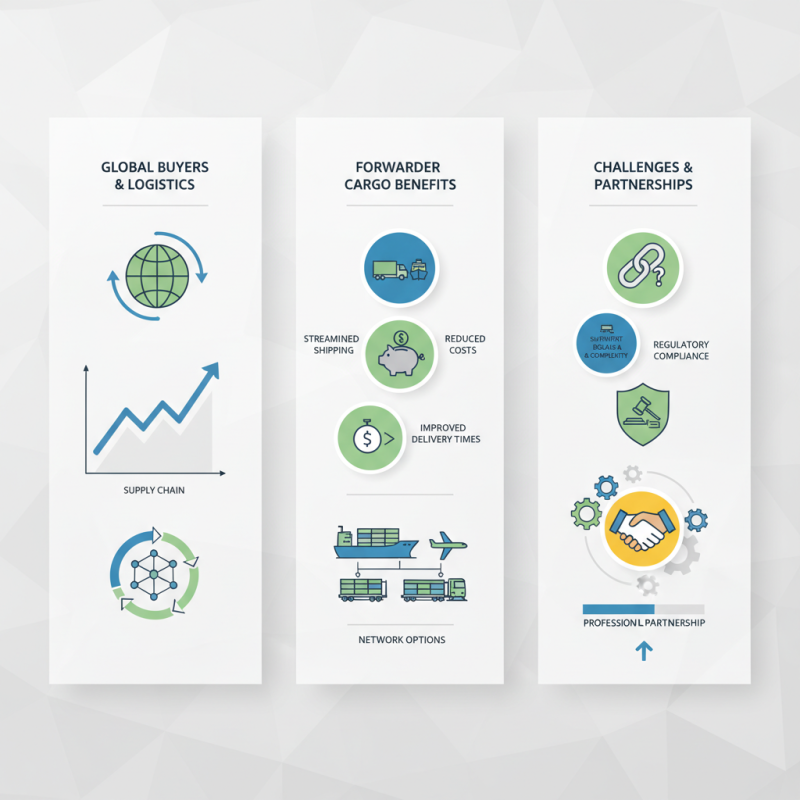
In an increasingly interconnected world, the logistics landscape is evolving rapidly. Forwarder Cargo has emerged as a pivotal solution for global buyers seeking efficiency in their supply chains. According to the Global Freight Forwarding Market report, the sector is expected to grow by 4.3% annually, reflecting rising demand for specialized transport services. Companies that utilize Forwarder Cargo can streamline shipping processes, reduce costs, and improve delivery times.
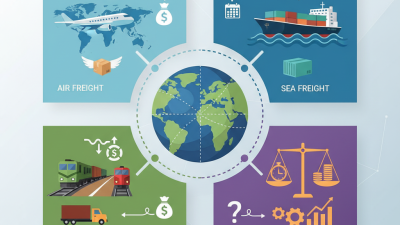
By leveraging Forwarder Cargo services, businesses can access a network of transport options. This flexibility allows for tailored solutions that meet specific needs. An estimated 70% of global goods are transported by sea, yet land and air freight remain crucial for timely deliveries. However, not all forwarders offer the same level of service. It’s important for buyers to choose partners with proven track records.
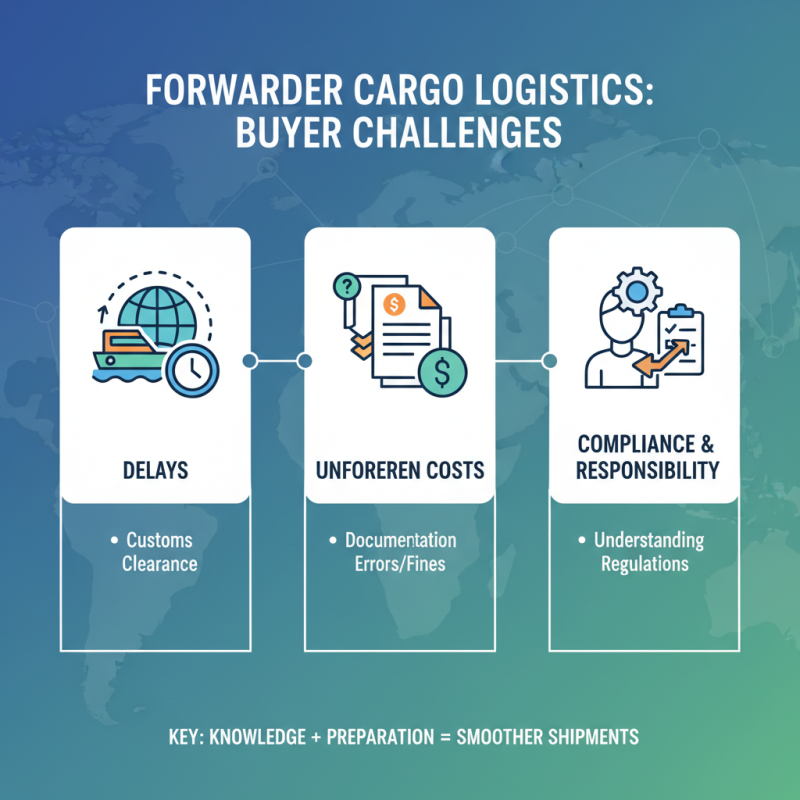
Despite these advantages, challenges persist. For instance, shipment delays can occur due to unforeseen events. Additionally, ensuring compliance with varied international regulations requires constant vigilance. These complexities highlight the need for buyers to engage with professional forwarders who possess deep industry knowledge. The right partnership can make a significant difference in managing these challenges.
What is Forwarder Cargo: A Comprehensive Definition
Forwarder cargo is a critical component in global trade logistics. It refers to the management and transportation of goods on behalf of sellers and buyers across international borders. Freight forwarders, acting as intermediaries, coordinate various elements of the shipping process. This includes documentation, customs clearance, and transportation arrangements. According to the International Freight Forwarders Association, the industry facilitates around 80% of global trade, highlighting its importance.
The benefits of utilizing forwarder cargo are significant. Global buyers gain access to professional networks and expertise that streamline shipping processes, saving both time and costs. For instance, businesses that use freight forwarding can reduce shipping delays by up to 25%, based on data from Logistics Management. Additionally, forwarders provide valuable insights into local regulations, ensuring compliance and reducing the risks of fines or shipment rejections.
However, challenges exist in relying on forwarder cargo systems. Miscommunication and lack of transparency can lead to increased costs and delayed shipments. Buyers must ensure they choose reputable forwarders to mitigate these risks. Building a solid relationship with a forwarder can also enhance efficiency, but this requires ongoing effort and communication. Understanding these dynamics is essential for buyers looking to leverage forwarder cargo effectively.
Key Functions of Forwarder Cargo in Global Trade
Forwarder cargo plays a vital role in global trade, acting as a bridge between suppliers and buyers worldwide. This logistics service enables smooth transportation of goods across different countries. Forwarders manage all shipping documentation, ensuring compliance with various regulations. They handle customs clearance, which can be complicated. Such expertise reduces delays and lowers risks in the shipping process.
One key function of forwarder cargo is route optimization. Forwarders analyze multiple shipping routes to find the most efficient options. This helps in reducing shipping costs and transit times. They often have established relationships with carriers. This network can lead to better prices and reliable service. Additionally, forwarders provide tracking updates, allowing buyers to monitor their shipments in real-time.
However, the reliance on forwarder cargo can pose challenges. Not every forwarder guarantees the same level of service. Buyers should thoroughly research potential forwarders. It’s crucial to assess their reputation and experience. Some may overlook hidden costs, affecting the overall budget. Careful vetting is essential to ensure a smooth trade experience. The role of forwarders in global business is significant, but selecting the right partner is equally important.
Benefits of Forwarder Cargo in Global Trade
Benefits of Using Forwarder Cargo for International Buyers
Forwarder cargo plays a crucial role for international buyers. It streamlines the shipping process, making it efficient and cost-effective. This service acts as a bridge between suppliers and buyers, helping manage everything from logistics to paperwork. By coordinating with various transport carriers, forwarders simplify the complexities of international shipping.
One significant benefit of using forwarder cargo is reduced stress. Buyers can focus on core business activities instead of logistics. Forwarders handle issues like customs clearance, which can be daunting. These experts possess the knowledge required to navigate intricate regulations. Thus, they help avoid costly delays that can arise from mistakes.
Tip: Always choose a reputable forwarder with experience in your industry. This ensures they understand specific requirements and challenges you might face.
Another advantage is the ability to negotiate better shipping rates. Forwarders often have established relationships with carriers. This can result in lower costs for buyers. Furthermore, their insight into market trends can help obtain favorable terms.
Tip: Regularly communicate with your forwarder about your needs. This ensures they can adapt services as your business evolves.
Utilizing forwarder cargo not only saves money but also enhances overall efficiency. This combination benefits global buyers aiming for seamless international transactions.
Future Trends in Forwarder Cargo Services for Global Commerce
The landscape of forwarder cargo services is evolving. Innovations and digital technology play a significant role.
Many global buyers find themselves adapting to these changes, which focus on efficiency and transparency. The rise of artificial intelligence is reshaping logistics strategies.
Real-time tracking options are enhancing visibility along the supply chain.
Sustainable practices are becoming essential. Companies are exploring eco-friendly transport options.
Forwarders must meet new environmental standards to stay competitive. Buyers are increasingly concerned about carbon footprints.
Their choices reflect a growing demand for responsible logistics. As the market changes, flexibility becomes crucial.
Traditional models may not meet future buyer needs.
Increased competition is noticeable in the industry. Many forwarders are aiming to differentiate themselves through innovative solutions.
This push is not without challenges. Adapting to ever-changing regulations requires constant vigilance.
Buyers may feel overwhelmed by varying service levels. However, staying informed can lead to better choices.
The future of forwarder cargo services holds promise for those willing to embrace change.