The future of European Rail Transport is being shaped by innovative technologies and strategic investments. By 2026, advancements in rail transport are set to enhance efficiency and sustainability. According to the European Commission, rail transport can reduce carbon emissions by an impressive 70% compared to road transport. This statistic underscores the growing importance of rail as a greener alternative.
Innovations such as digital signaling systems and AI-driven maintenance tools are emerging. These technologies promise to streamline operations and reduce delays. Additionally, the rise of high-speed trains is transforming regional connectivity. Reports indicate that European rail users can expect journey times to improve significantly, making rail a more appealing option.
However, challenges remain. Funding and integration of these innovations need attention. Not all regions across Europe are ready to implement these technologies uniformly. Infrastructure disparities may hinder progress in some areas. Reflecting on these complexities is crucial as we look towards an innovative future for European rail transport. The commitment to modernization and sustainability must continue, ensuring that the benefits reach all users effectively.
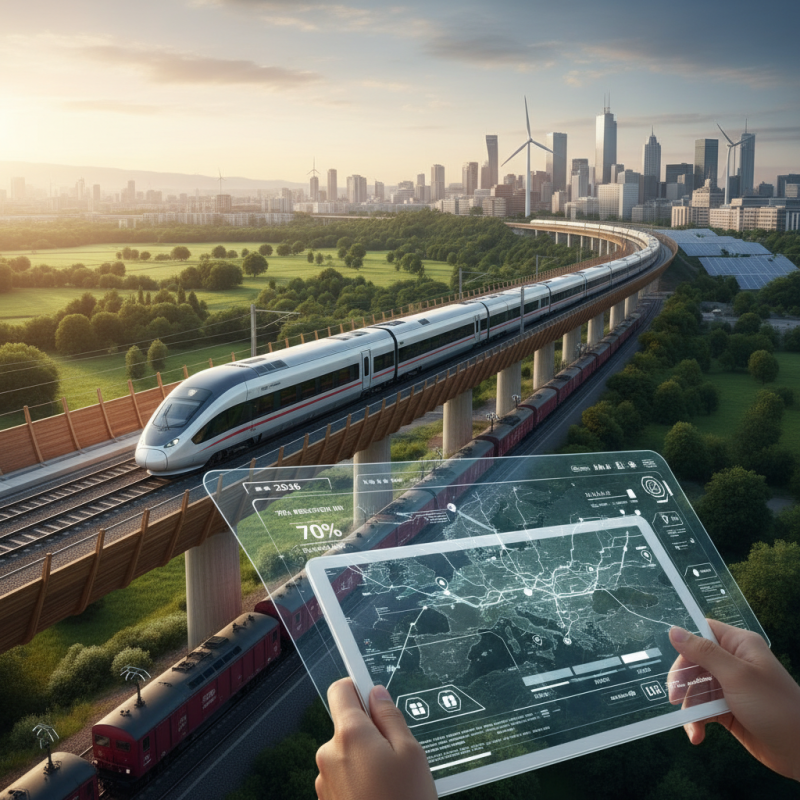
As we look toward 2026, European rail transport is on the brink of significant innovation. A recent study highlights that rail transport could see funding increase by up to 30% in the next few years. This increase is expected to propel developments in sustainable technologies and digital integrations. Many experts believe that these changes will address the industry's environmental impact.
One major area of focus is electrification. By 2026, it’s projected that over 70% of trains in Europe will operate on electric lines. This shift will drastically lower carbon emissions. However, challenges remain in expanding the electrified network. Many regions still rely on diesel.
Smart technology integrations will also transform passenger experiences. Real-time data applications are set to improve scheduling and reduce delays. Advanced ticketing systems will simplify travel. But, as these changes occur, there must be careful planning to ensure all passengers benefit.
Tips: Engage with your local transport authority. Understand how these innovations could affect your travel. Stay informed about developments. Technology can be a double-edged sword, requiring adjustments on multiple fronts. Be ready for the changes coming in the rail sector.
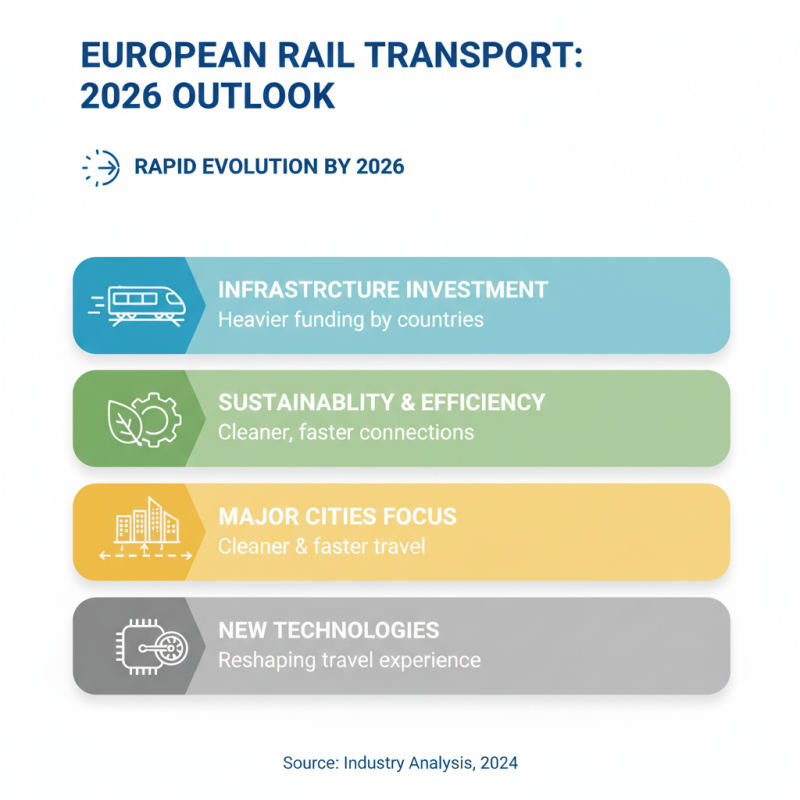
The European rail transport landscape is evolving rapidly. By 2026, it is expected to reflect significant innovations. Countries are investing heavily in infrastructure improvements. The focus is on sustainability and efficiency. Major cities are aiming for cleaner and faster connections. New technologies are poised to reshape how people travel.
High-speed trains will be more common. They can cut travel times dramatically. Meanwhile, smart ticketing systems are gaining traction. These systems simplify the journey for millions. However, challenges remain. Not all regions have access to the latest advancements. Some areas lag behind, creating disparities. Increasing capacity while maintaining service quality is a pressing issue.
Green energy use in rail transport is on the rise. Renewable sources are being integrated into operations. Carbon emissions are a critical concern. Efforts are being made, but more is needed. Maintenance of older infrastructure still requires attention. The future is bright but requires dedication to equity and sustainability. The path forward may have bumps, but the vision is clear.
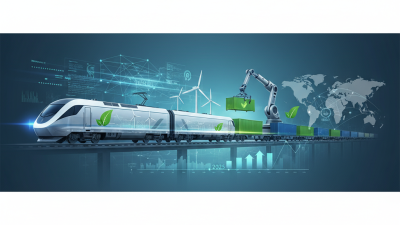
The future of European rail transport looks promising, especially in electrification and renewable energy integration. Emerging technologies focus on reducing carbon footprints and enhancing efficiency. Electric trains powered by renewable sources are becoming more common. Solar panels and wind turbines are being integrated into train stations. This shift aims to provide cleaner energy for rail networks.
**Tip:** Consider how local renewable energy can power nearby transport hubs. This can create a regional energy loop. It not only benefits the environment but also reduces costs in the long run.
Advancements in battery technology are also on the rise. New electric trains will have longer ranges. They could operate without frequent recharging and connect more remote areas. However, the infrastructure for charging still needs attention. Many regions lack sufficient charging stations, which limits the capability of trains.
**Tip:** Engage local communities in discussions about infrastructure needs. Their input can lead to more effective solutions. It’s essential to learn from current gaps to ensure a sustainable future for rail transport.
| Innovation | Description | Expected Impact | Implementation Year |
|---|---|---|---|
| Advanced Electrification Systems | High-efficiency electrification for reduced energy consumption. | Lower operational costs and decreased carbon footprint. | 2026 |
| Renewable Energy-Powered Stations | Stations using solar and wind energy for operations. | Significant reduction of greenhouse gas emissions. | 2026 |
| Hybrid Locomotives | Combining electricity and biofuels for better efficiency. | Enhanced flexibility for various rail lines. | 2026 |
| Smart Infrastructure | IoT technologies for monitoring and optimizing performance. | Improved safety and service reliability. | 2026 |
| Energy Storage Solutions | Innovative battery technologies for grid stability. | Mitigating peak energy demands. | 2026 |
| AI-Driven Analytics | Utilizing AI for predictive maintenance and operations planning. | Increased efficiency and reduced downtime. | 2026 |
| Sustainable Materials for Rolling Stock | Using eco-friendly materials in train manufacturing. | Reduction in lifecycle environmental impact. | 2026 |
| Hyperloop Developments | Exploring vacuum tube technologies for train transport. | Potential to drastically reduce travel times. | 2026 |
| Enhanced Customer Experience Technologies | Digital solutions for ticketing and real-time updates. | Improved passenger satisfaction and accessibility. | 2026 |
The future of train control systems is undergoing a remarkable transformation.
AI and automation are at the forefront of this change. With the ability to analyze
passenger patterns in real-time, systems can optimize train schedules. This elevates efficiency, yet it raises concerns
about data privacy.
Automation enhances safety through predictive maintenance. Sensors can detect
wear and tear on components. However, reliance on machines introduces risks. What if a system fails? Human oversight
is still crucial in emergencies. Train operators need to be trained adequately to manage unforeseen circumstances.
AI can also improve route planning. It adapts to weather conditions and
traffic patterns. This could reduce delays, but algorithmic biases might favor certain routes over others.
Continuous reassessment of these decision-making processes is necessary. Balancing innovation with ethical considerations
is essential for sustainable advancements in rail transport.
The future of rail transport in Europe looks promising, especially with innovations in sustainable rolling stock. Lightweight materials are becoming increasingly important for enhancing efficiency. For example, utilizing composites can reduce the weight of trains by up to 30%. This weight reduction directly impacts energy consumption, leading to significant cost savings.
Emerging trends show that aluminum and carbon-fiber materials are gaining traction. These materials not only cut weight but also improve durability. Reports indicate that adopting these innovations can reduce greenhouse gas emissions by around 20%. However, adapting to these changes is not without challenges.
Tip: Rail companies should invest in research and training to better understand lightweight technology.
Design is also evolving. Streamlined shapes contribute to better aerodynamics. This helps trains achieve higher speeds while consuming less energy. However, finding the right balance between design and functionality is crucial. Many designs look impressive but may not perform as expected.
Tip: Continuous feedback from testing is important for improving designs.
As the rail sector moves toward sustainability, innovations in rolling stock are vital for future success. The transition can be slow and requires commitment from all stakeholders. Embracing new materials and design principles might not be straightforward, but the potential rewards are significant.
The European Rail Transport landscape is poised for significant transformation by 2026, driven by innovative advancements across various sectors. Key developments include the integration of electrification and renewable energy, enabling a more sustainable and efficient rail network. Furthermore, the incorporation of artificial intelligence and automation into train control systems promises to enhance safety and operational efficiency.
In addition to these technological strides, the industry is witnessing trends in sustainable rolling stock, focusing on lightweight materials and modern design, which will reduce environmental impact. Enhancements in passenger experiences through smart technologies and comfort features are also anticipated, ensuring that travelers benefit from a more connected and enjoyable journey. Overall, these innovations underscore the commitment to advancing European Rail Transport towards a greener, smarter future.