10 Essential Sea Freight Tips for Smooth Shipping and Delivery
In the world of global trade, Sea Freight plays a pivotal role in ensuring that goods are transported efficiently and cost-effectively across vast oceans. As businesses strive to expand their reach and tap into international markets, understanding the nuances of sea freight becomes essential for smooth shipping and delivery. Whether you are a seasoned importer or a first-time exporter, mastering the intricacies of sea freight logistics can significantly enhance your supply chain management and prevent costly delays.
Navigating the complexities of sea freight requires more than just choosing the right shipping method; it involves a comprehensive understanding of documentation, customs regulations, and best practices. From selecting the appropriate container and ensuring proper packaging to understanding the timeline for shipping, each step is crucial in establishing a seamless transportation process. By implementing key strategies, businesses can not only safeguard their cargo but also optimize their shipping costs, ultimately leading to happier customers and improved profitability.
In this guide, we present ten essential tips for effectively managing your sea freight operations. By following these guidelines, you will be better equipped to handle the challenges of international shipping, ensuring a stress-free experience from the moment your goods are loaded onto the vessel to their final delivery at the destination.

Understanding Sea Freight Basics for Efficient Shipping
Understanding sea freight basics is crucial for anyone involved in shipping goods internationally. Sea freight remains one of the most cost-effective methods to transport large quantities of goods. According to the World Shipping Council, approximately 90% of global trade by volume is carried out via sea transport, highlighting its significance in international trade. The understanding of key concepts, such as container types, shipping routes, and documentation, can significantly impact the efficiency of the shipping process.
One essential aspect is the choice of container type, which can affect both shipping costs and delivery timelines. Standard containers come in various sizes, such as 20-foot or 40-foot, and specific products may require specialized containers, like refrigerated units for perishables. Notably, the International Maritime Organization emphasizes that proper container usage can enhance loading efficiency and reduce the risk of damage during transit. Additionally, adhering to shipping regulations and documentation requirements is vital; for instance, the International Chamber of Shipping reports that non-compliance can lead to costly delays and fines, making it imperative for businesses to be well-versed in these processes. By grasping these sea freight fundamentals, organizations can streamline their shipping operations, ensuring smoother and more reliable delivery.
Choosing the Right Shipping Company for Your Needs
When it comes to sea freight, choosing the right shipping company is pivotal to ensure a smooth shipping and delivery process. Potential shippers should thoroughly evaluate their requirements, including the types of goods being transported, shipment size, and desired transit times. A reputable shipping company should possess the necessary experience and expertise in handling specific cargo types, whether it’s bulky machinery or delicate electronics. Researching their track record in terms of reliability and customer service can provide insights into how they manage logistics and deal with unforeseen events.
Furthermore, assessing the range of services offered by a shipping company can significantly impact the overall shipping experience. Companies that provide comprehensive logistics solutions, including customs clearance and cargo insurance, can streamline the shipping process and reduce potential hurdles. It’s also wise to inquire about their pricing structures to ensure that they align with your budget while still delivering quality service.
Additionally, look for companies that prioritize communication and transparency, as these characteristics are essential for managing shipments effectively and addressing any unexpected issues promptly.
Essential Documentation for Smooth Sea Freight Operations
In the realm of sea freight, the importance of meticulous documentation cannot be overstated. Effective management of shipping documentation is a cornerstone of a smooth logistics operation. According to the International Maritime Organization, approximately 90% of the world's trade is carried by sea, emphasizing the scale at which proper documentation can streamline operations and reduce delays. Essential documents include the Bill of Lading, which serves as both a receipt for cargo and a contract of carriage, and the Commercial Invoice, which provides vital information about the transaction. Maintaining accuracy and completeness in these documents is critical, as errors can lead to significant delays, additional fees, or even legal complications.
Additionally, customs documentation plays a pivotal role in efficient sea freight operations. In a report by the World Customs Organization, it was highlighted that improper documentation is one of the leading causes of customs delays, affecting over 25% of shipments. To combat this, shippers should familiarize themselves with the specific requirements of the destination port's customs regulations. This includes providing accurate tariff classifications and ensuring compliance with international trade agreements. Utilizing customs brokers can also facilitate smoother clearance by ensuring all necessary documentation is in order, which can significantly reduce the risk of unforeseen delays and tariffs. Proper documentation management, therefore, is not just a procedural necessity but a strategic advantage in the competitive landscape of global shipping.
10 Essential Sea Freight Tips for Smooth Shipping and Delivery - Essential Documentation for Smooth Sea Freight Operations
| Tip Number |
Shipping Tip |
Essential Documentation |
Importance |
| 1 |
Choose a Reliable Freight Forwarder |
Bill of Lading (B/L) |
Essential for transport and proof of contract |
| 2 |
Understand Incoterms |
Commercial Invoice |
Clarifies responsibilities and costs |
| 3 |
Proper Packaging |
Packing List |
Details contents and packaging specifications |
| 4 |
Track Your Shipment |
Shipping Manifest |
Helps in tracking goods through the process |
| 5 |
Know Your Cargo Insurance Options |
Insurance Certificate |
Protects against loss or damage |
| 6 |
Check Customs Regulations |
Import/Export Licenses |
Ensures compliance with trade laws |
| 7 |
Plan for Delays |
Delay Notification |
Informs parties of potential issues |
| 8 |
Use Technology for Documentation |
Electronic Data Interchange (EDI) |
Streamlines sending and receiving documents |
| 9 |
Prepare for Inspections |
Inspection Certificates |
Verifies compliance with food/safety standards |
| 10 |
Maintain Good Communication |
Communication Logs |
Ensures all parties are informed and aligned |
Preparing Cargo for Safe and Secure Sea Transport
Preparing cargo for safe and secure sea transport is a critical step in ensuring smooth shipping and timely delivery. One of the first considerations is selecting appropriate packing materials that can withstand the rigors of sea travel. This includes using durable containers, moisture-resistant padding, and secure sealing methods to protect the contents from water damage and structural impact. Proper cushioning is vital to mitigate movement within the container, which can lead to damages during transit.
Furthermore, labeling and documentation play a key role in the preparation process. Ensure that all cargo is clearly labeled with details about contents, destination, and handling instructions. This not only facilitates efficient transit but also helps in the quick identification of goods during inspections. Additionally, compiling accurate documentation such as packing lists and customs declarations is essential for avoiding delays at port checks. By taking the time to prepare cargo meticulously, shippers can minimize risks and enhance the overall efficiency of the shipping process.
10 Essential Sea Freight Tips for Smooth Shipping and Delivery
Tracking and Monitoring Your Shipment Effectively
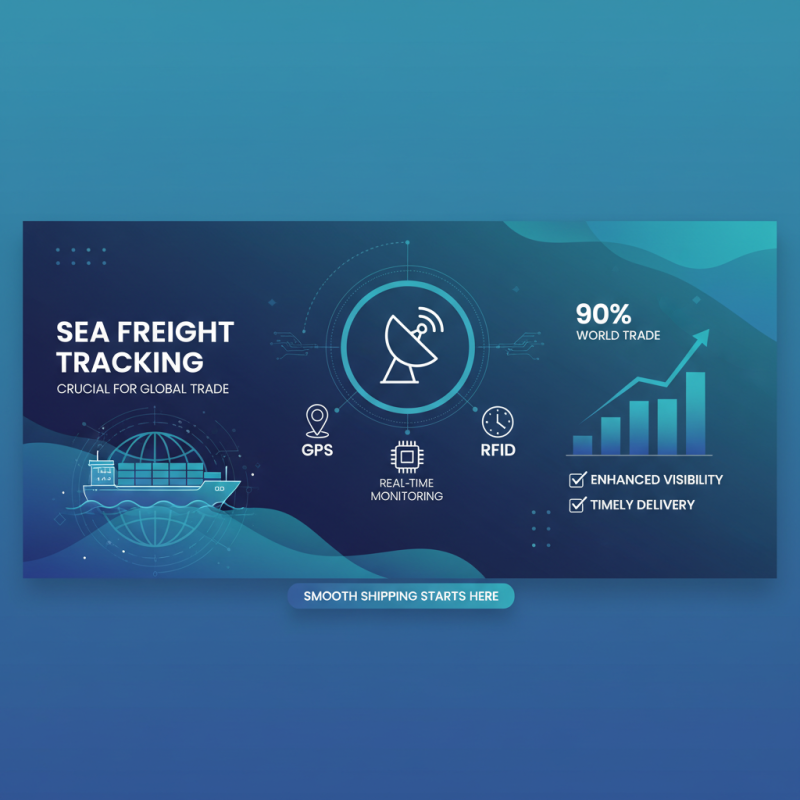
Effective tracking and monitoring of your sea freight shipments are crucial for ensuring smooth shipping and timely delivery. According to a report from the International Maritime Organization, approximately 90% of world trade is carried out through the shipping industry, making it essential for businesses to have robust tracking systems in place. Implementing advanced technologies such as GPS and RFID can significantly enhance shipment visibility and real-time monitoring, allowing companies to respond quickly to any potential delays.
One key tip for effective tracking is to utilize digital platforms that provide end-to-end visibility of shipments. These platforms can aggregate data from various sources, enabling shippers to track their freight from the moment it leaves the port until it reaches its final destination. Additionally, setting up alerts for milestones along the shipping route can help businesses stay informed about their shipment status and mitigate risks associated with delays.
Another recommendation is to establish regular communication with freight forwarders. Consistent updates and a clear understanding of the shipping process can help you identify potential issues early on. A recent report by the Boston Consulting Group emphasizes that proactive communication can lead to a 33% decrease in shipping delays. By adopting these tracking and monitoring strategies, shippers can not only enhance their operational efficiency but also improve customer satisfaction through better service reliability.