Top Tips for Efficient Bulk Transport Solutions?
Bulk transport is a critical component of the global supply chain. According to the International Transport Forum, bulk transport accounts for over 60% of all freight movement worldwide. Efficient solutions in this sector ensure timely delivery and cost-effectiveness. Yet, the landscape is evolving.
Many companies face challenges. Issues like rising fuel costs and environmental regulations demand innovative strategies. The need for transparency and sustainability has never been greater. A report from the World Economic Forum highlights that effective bulk transport solutions can reduce carbon emissions by up to 30% by optimizing logistics.
Implementing technology can enhance tracking and efficiency. However, not all businesses are adapting quickly. Some still rely on outdated methods, leading to potential delays and increased costs. Bulk transport is a complex field, requiring continuous reflection and improvement. Companies must embrace change to thrive in this dynamic environment.

Understanding Bulk Transport and Its Importance in Logistics
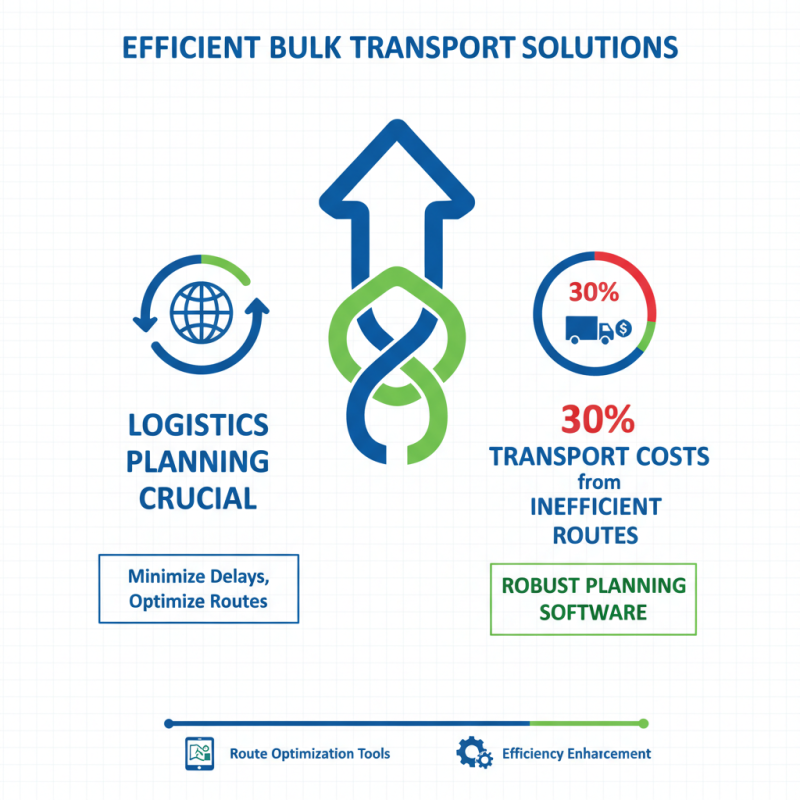
Bulk transport plays a crucial role in logistics, significantly impacting supply chain efficiency. According to the International Transport Forum, around 60% of global trade volume is moved through bulk transport methods. This includes commodities like oil, grains, and metals. Efficient bulk transport reduces costs and improves delivery times. A strong logistics strategy can optimize routes and minimize delays.
However, challenges persist. For instance, approximately 25% of bulk transport operations face inefficiencies due to poor route planning or outdated equipment. These issues can lead to increased operational costs. If organizations do not invest in modern infrastructure, they risk falling behind. The need for continuous improvement is evident. Regular assessments and adjustments are vital to ensure effectiveness in the face of evolving market demands.
Lastly, sustainability is becoming increasingly important. Data from the World Economic Forum shows that nearly 30% of logistics emissions come from bulk transport. Companies must adopt greener practices. Innovations like biofuels and electric vehicles are promising. As the logistics industry evolves, understanding bulk transport’s importance is key to overcoming its challenges.
Innovative Technologies Enhancing Bulk Transport Efficiency
Innovative technologies are reshaping bulk transport efficiency. Advanced analytics and IoT have become essential. They allow real-time tracking of shipments. According to the International Transport Forum, optimizing routes can cut fuel costs by up to 15%. This is a significant saving for companies relying on large-scale logistics.
Implementing automation in warehouses improves productivity. Robotics and AI streamline loading and unloading processes. A report from McKinsey states that automation can enhance efficiency by 25% in material handling. However, challenges remain. Many companies struggle to integrate these technologies smoothly. Employee training is crucial. Resistance to change can hinder progress.
Tip: Regularly assess your technology stack. Ensure it aligns with business goals. Embrace flexibility and adaptability. Another tip: invest in employee development. Upgrading skills will prepare your workforce for tech advancements. Finding the right balance between innovation and practicality is key.
Top Tips for Efficient Bulk Transport Solutions
Strategies for Cost-Effective Bulk Transport Management
Effective bulk transport management is crucial for companies aiming to reduce costs and enhance efficiency. According to a report by the International Transport Forum, transportation costs can account for up to 20% of total supply chain expenses. Therefore, focusing on cost-effective strategies is essential for businesses.
One important approach is optimizing routing and scheduling. Data analytics plays a vital role here. By utilizing advanced analytics, companies can improve route efficiency and reduce fuel consumption. A study showed that optimized routes can lower costs by as much as 15%. However, many companies still rely on outdated methods, leading to missed opportunities for savings.
Another key aspect is evaluating carrier performance. Regular assessment of transportation providers ensures that businesses choose the most reliable and cost-efficient options. A report found that companies that measure carrier performance can reduce their transportation costs by over 10%. Yet, some businesses overlook this critical review process.
Investing in technology is also beneficial. Adoption of tracking and automation tools can enhance visibility and efficiency. Yet, many firms hesitate to invest in these technologies, fearing high upfront costs. Despite this, data shows that effective technology implementation can yield a return on investment within a year.
Top Tips for Efficient Bulk Transport Solutions
| Tip |
Description |
Cost-Effectiveness Strategy |
Expected Benefits |
| Optimize Routing |
Use advanced software to determine the most efficient routes. |
Reduce fuel consumption and transportation time. |
Lower operational costs and timely deliveries. |
| Invest in Technology |
Utilize tracking systems for real-time visibility of shipments. |
Minimize delays and improve supply chain efficiency. |
Enhanced decision-making and reduced losses. |
| Consolidate Shipments |
Combine smaller shipments into larger loads. |
Decrease shipping frequency and overall costs. |
Increased efficiency and reduced freight charges. |
| Negotiate Contracts |
Align with transport providers for better rates. |
Gain volume discounts and favorable terms. |
Lower costs and improved service levels. |
| Regular Maintenance |
Ensure vehicles are in optimal working condition. |
Avoid breakdowns that cause delays. |
Increased reliability and lower repair costs. |