What is Cross Border Rail Transport and How Does it Work?
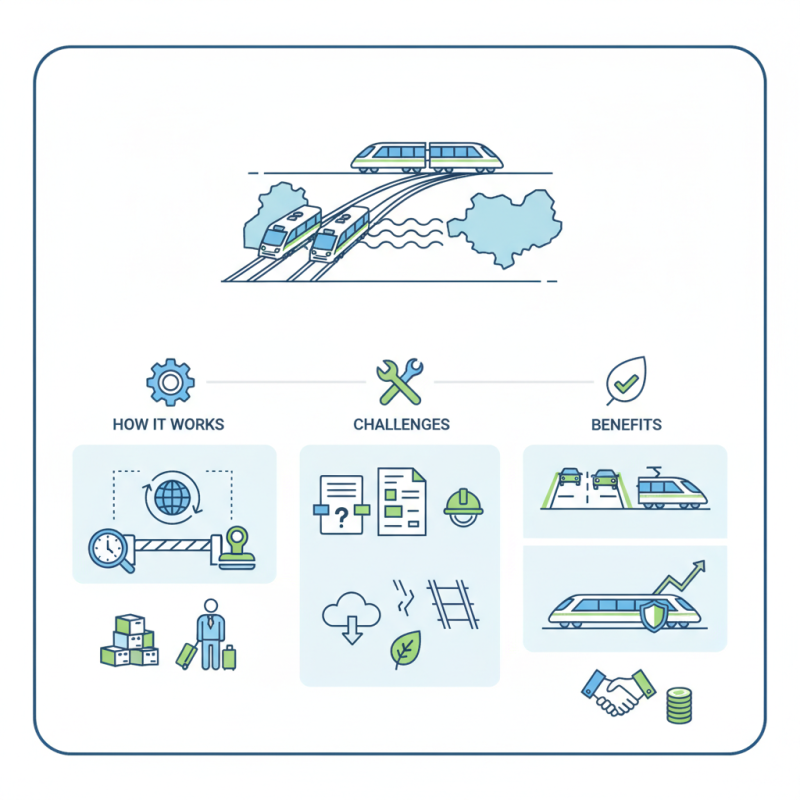
Cross-Border Rail Transport connects countries through rail networks. It plays a crucial role in global trade and travel. This transport system enables the movement of goods and passengers across borders efficiently.
Trains traveling across borders must adhere to different regulations. Customs inspections can delay shipments. This adds complexity to logistics and requires careful planning from companies. Challenges often arise, such as varying safety standards.
Despite these issues, Cross-Border Rail Transport offers significant benefits. It reduces road congestion and lowers carbon emissions. Rail transport is generally safer and more reliable than road transport. However, the infrastructure needs continuous investment. Stakeholders must collaborate to improve systems and address existing gaps.
Definition of Cross Border Rail Transport
Cross Border Rail Transport refers to the movement of goods and passengers across national borders by train. This mode of transport plays a crucial role in global trade, connecting different economies and facilitating international logistics. A report by the International Union of Railways highlights that railway networks can reduce transit times significantly compared to road transport. The efficiency of cross border rail can lead to a 30% reduction in shipping costs.
The process involves complex coordination between various rail operators, customs, and regulatory bodies. Each country has its own protocols, which can lead to delays. In Europe, for example, the Schengen Agreement has streamlined border checks, but discrepancies still exist. A recent study found that nearly 25% of cross-border rail transport incidents are attributed to varying safety regulations and track gauge differences. This inconsistency hampers seamless operations and can frustrate operators and customers alike.
Despite its advantages, rail transport faces challenges. Infrastructure investment is often uneven, creating bottlenecks at key junctions. Many regions still rely heavily on road transport, increasing congestion and emissions. A report from the European Commission indicates that only 8% of freight in Europe travels by rail, revealing room for growth. Reflection on these aspects is important for optimizing cross border rail transport in the future.
Historical Development of Cross Border Rail Networks
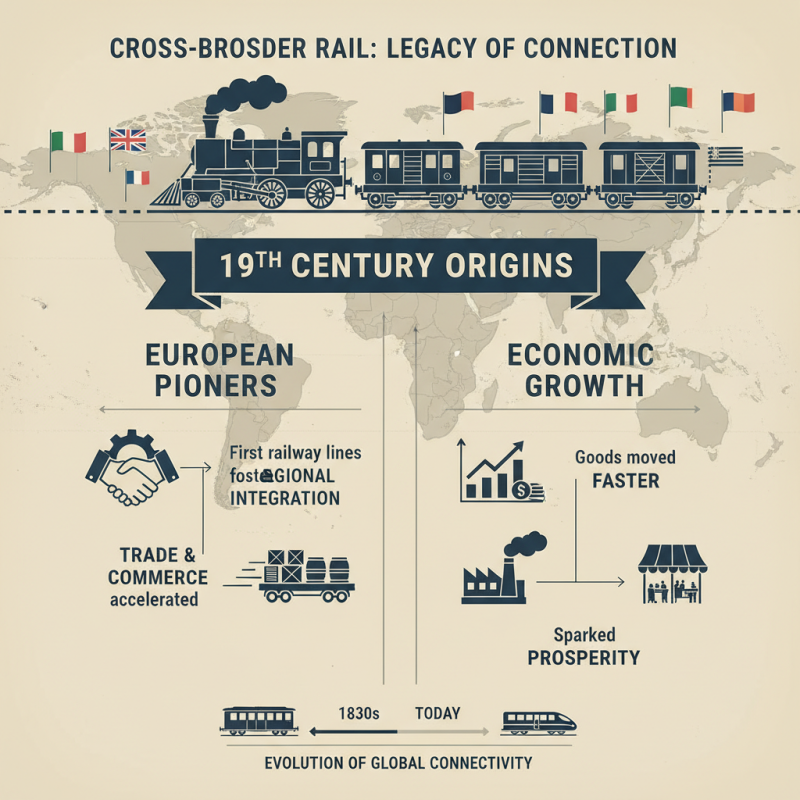
Cross border rail transport has a rich history that reflects the evolution of international connectivity. In the 19th century, trains began to cross national boundaries, linking cities like never before. The initial efforts focused on trade and commerce. For instance, the opening of the first railway lines in Europe fostered regional integration. These routes sparked economic growth, allowing goods to move faster between countries.
As technology advanced, rail networks became more intricate. Electrification and modern infrastructure played crucial roles. However, historical political tensions often complicated cross border developments. In many cases, different countries had varying standards for rail systems. This disparity created challenges in seamless travel. Over time, initiatives were launched to standardize operations and ensure interoperability.
Despite these efforts, obstacles remain. Different railway gauges, customs regulations, and immigration processes still pose difficulties for travelers and cargo alike. While much progress has been made, the need for continued collaboration is evident. Future improvements will require addressing these underlying issues for a more robust and efficient cross border rail system.
Key Components and Infrastructure of Cross Border Rail
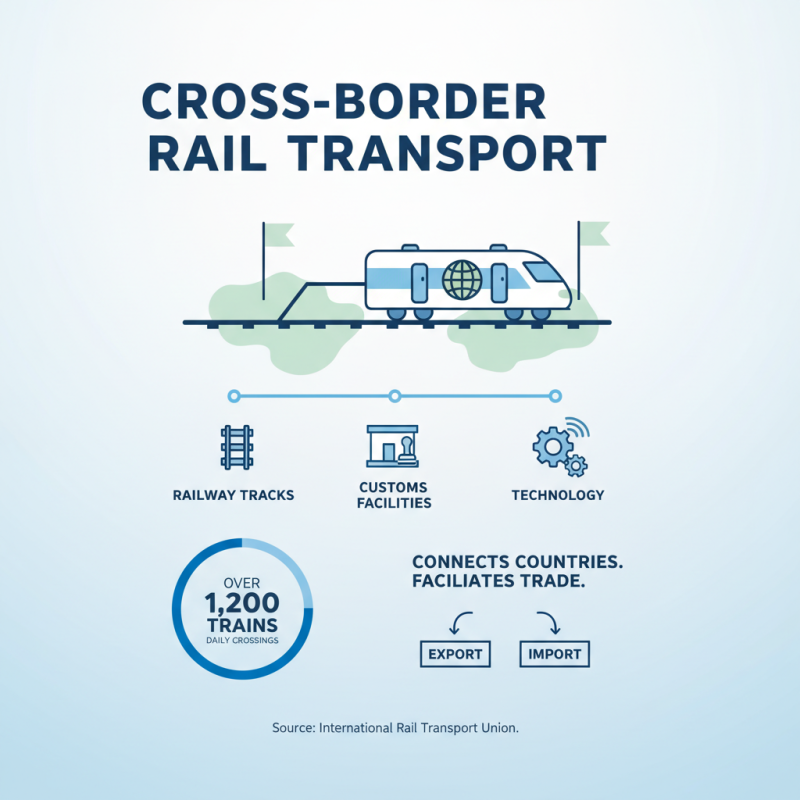
Cross border rail transport connects countries and facilitates trade. It relies on critical components like railway tracks, customs facilities, and technology. According to the International Rail Transport Union, over 1,200 trains cross national borders daily, demonstrating its significance.
Infrastructure plays a vital role. Effective junctions enable smooth transitions between nations. A report from the European Commission indicated that optimizing border stations can cut transit time by 30%. However, many rail crossings still face bottlenecks, causing delays. Whether it's inefficient customs or outdated signaling systems, these issues need addressing.
Connectivity is only part of the solution. Collaboration between countries is essential for harmonizing regulations. Many rail networks operate on different gauges, complicating operations. As noted by the World Bank, Standardizing technical specifications could improve efficiency. There’s still much work to be done to ensure seamless cross border rail transport.
Regulatory and Legal Framework for Cross Border Rail Transport
Cross-border rail transport is essential for international trade. However, it is heavily influenced by a complex regulatory and legal framework. Each country has its own regulations. These often include customs requirements, safety standards, and documentation protocols. Train operators must comply with varying laws, which can lead to delays and complications.
International agreements aim to simplify these processes. For example, they address common safety measures and customs procedures. Nevertheless, challenges remain. Different gauges in rail tracks can hinder seamless transport. Regulations on freight types and passenger rights also differ widely. These inconsistencies require careful navigation.
Another critical aspect is environmental regulations. Countries prioritize sustainability, but standards vary significantly. Operators may face penalties if they fail to meet local laws. This leads to an ongoing need for compliance and adaptation. It highlights the importance of a well-structured, unified approach to cross-border rail transport. The need for reflection on existing frameworks is vital for improvement.
What is Cross Border Rail Transport and How Does it Work? - Regulatory and Legal Framework for Cross Border Rail Transport
| Dimension |
Details |
| Definition |
Cross border rail transport refers to the movement of goods and passengers across international borders by train. |
| Key Benefits |
Efficient transit, reduced carbon footprint, and enhanced trade opportunities between countries. |
| Regulatory Framework |
Includes international agreements, bilateral treaties, and national legislation governing cross-border operations. |
| Legal Considerations |
Liability, customs regulations, and safety standards must be complied with as per international laws. |
| Challenges |
Different national regulations, political tensions, and variations in infrastructure quality. |
| Future Trends |
Increased investment in infrastructure, technological advancements, and sustainability initiatives. |
Benefits and Challenges of Cross Border Rail Systems
Cross-border rail transport plays a vital role in globalization. It connects nations and facilitates trade. In Europe, rail freight accounts for about 18% of total transport. This figure highlights rail's importance in moving goods efficiently across borders.
However, challenges persist. Infrastructure gaps often hinder seamless connections. According to a recent report, 42% of cross-border rail networks in Europe experience delays due to outdated systems. These delays undermine efficiency and increase costs for businesses. Additionally, different regulations across countries create compliance hurdles, complicating operations.
Despite these obstacles, the benefits are significant. Cross-border rail systems improve sustainability. They emit up to 76% less CO2 than road transport. This cleaner alternative supports global climate goals. Optimizations in scheduling and technology can lead to smoother operations. Investments in modernization are essential. Addressing these issues could yield substantial economic and environmental gains.
Benefits and Challenges of Cross Border Rail Systems