How to Choose the Right Third Party Logistics Providers?
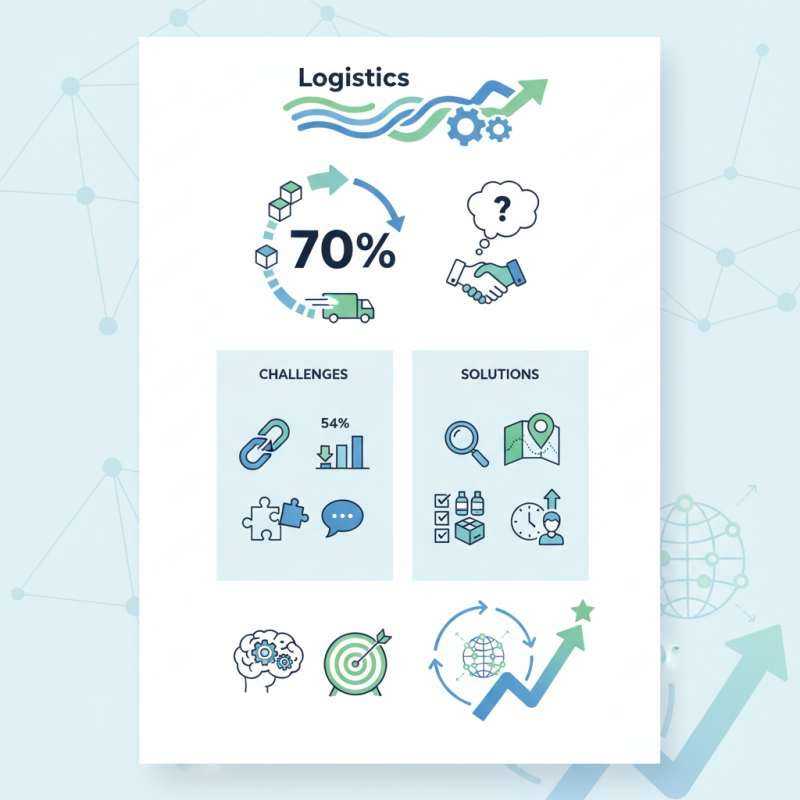
Choosing the right Third Party Logistics Providers (3PL) is crucial for business success. Research indicates that over 70% of companies depend on 3PLs to streamline their supply chains. A strategic partnership can enhance efficiency and reduce costs. However, with numerous options available, making the right choice is challenging.
Not all providers offer the same level of service or expertise. Some may lack the necessary technology, while others may not understand specific industry demands. According to a survey, 54% of businesses report dissatisfaction with their current 3PL providers. This is often due to misalignment in communication and expectations. Thus, it is essential to evaluate potential partners carefully.
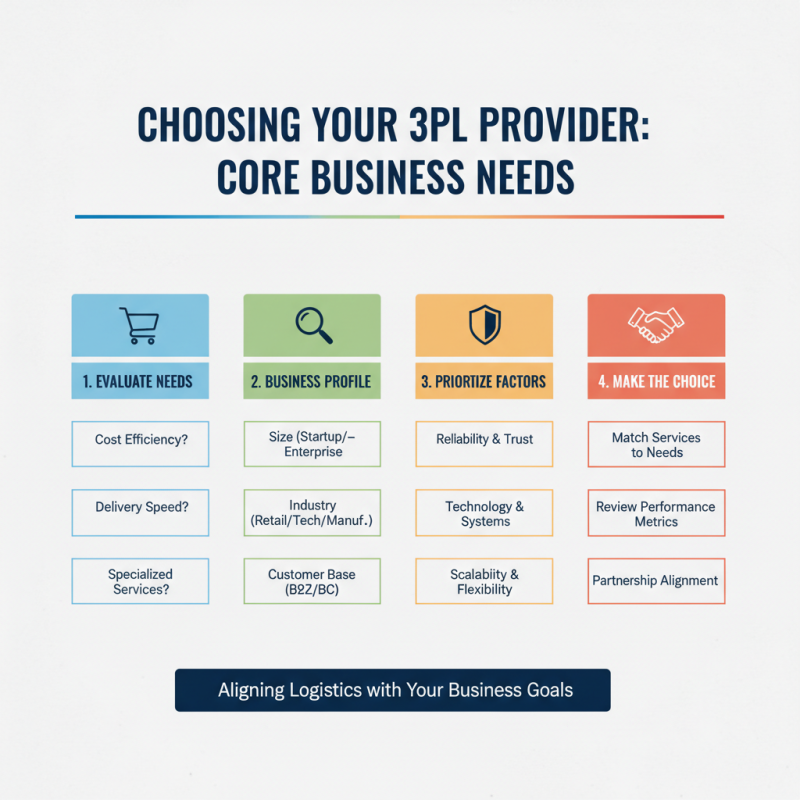
Understanding your unique needs is vital in this process. What works for one business may not suit another. Consider your product type, shipping volume, and delivery requirements. The wrong choice can lead to delays and customer dissatisfaction. Therefore, reflect on your objectives and challenges before selecting the right Third Party Logistics Providers.
Understanding Third Party Logistics (3PL) and Its Importance in Supply Chain
Third Party Logistics (3PL) plays a crucial role in modern supply chains. These providers manage various logistics tasks, such as warehousing, transportation, and inventory management. Companies often rely on 3PLs to cut costs and improve efficiency. An effective 3PL can help businesses scale operations easily. They provide necessary expertise and resources that companies might not possess.
Choosing the right 3PL can be daunting. Companies must evaluate capabilities, experience, and technology. Some providers might lack experience in specific industries. This could create challenges later. It's vital to ensure that the logistics provider aligns with your company's goals. Communication is key. A misunderstanding can lead to delays and unsatisfied customers.
Regularly reviewing 3PL performance is necessary. Their efficiency can fluctuate due to various factors, like market changes. Reflecting on these aspects can help maintain a strong partnership. Flexibility is also important. Businesses need to adapt quickly to shifting demands. The right 3PL can make a significant difference in navigating these challenges successfully.
How to Choose the Right Third Party Logistics Providers?
| Criteria |
Description |
Importance |
Rating Scale (1-5) |
| Experience |
Years in the industry and expertise in specific niches. |
Essential for reliability and understanding of logistics challenges. |
4 |
| Technology |
Use of advanced logistics technologies like TMS and WMS. |
Critical for efficiency and real-time tracking. |
5 |
| Service Range |
Variety of services offered like warehousing, distribution, etc. |
Important for meeting diverse supply chain needs. |
4 |
| Cost |
Pricing structure and transparency of costs. |
Affects budget and overall profitability. |
3 |
| Customer Support |
Availability and responsiveness of support teams. |
Key for resolving issues efficiently. |
5 |
| Reputation |
Market perception and reviews from other clients. |
Indicates reliability and quality of service. |
4 |
Evaluating Potential 3PL Providers: Key Performance Indicators (KPIs)
Choosing the right third-party logistics (3PL) provider is crucial. Evaluating potential partners requires a keen focus on
key performance indicators (KPIs). Important KPIs include order accuracy, delivery timeliness, and
inventory turnover rates. According to industry reports, companies with high order accuracy can see a 10-15% improvement in customer satisfaction.
Order accuracy is essential. A report by Logistics Management highlighted that 98% order accuracy significantly boosts
customer loyalty. Companies should also analyze delivery timeliness. Late deliveries can harm a business's reputation. A study indicated that late
deliveries cost retailers an average of $1.3 million annually. This figure emphasizes the need for
reliable logistics partners.
Another key metric is inventory turnover. Efficient inventory management reduces holding costs. Research shows that
a turnover rate of 5-7 is often considered optimal. If a provider struggles in this area, it could
signal larger operational issues. Businesses must reflect on such metrics before making final decisions. Understanding these KPIs offers real insight into a
potential 3PL's capabilities.
Assessing Financial Stability and Industry Reputation of 3PL Providers
When selecting a third-party logistics (3PL) provider, it's crucial to assess their financial stability. A financially healthy 3PL can better invest in technology and infrastructure. According to recent industry reports, around 25% of logistics companies experience financial strain. This can impact their ability to provide reliable services. Be wary of providers that show signs of instability or inconsistent revenue growth.
Assessing a 3PL's industry reputation is equally important. Customer reviews and testimonials can provide insights into potential issues. A survey by a logistics consulting firm indicated that 70% of businesses prioritize reputation when choosing a logistics partner. Look for providers with positive feedback, particularly regarding shipment accuracy and response times. Moreover, consider industry certifications they hold. These can indicate a commitment to best practices and customer satisfaction.
In the end, relying solely on numbers can be misleading. A shiny report might mask underlying problems. Investigate if the company has a history of lawsuits or unresolved customer complaints. Like any partnership, due diligence is essential for success. A provider may have the right credentials but poor operational practices. Balance your decision with qualitative factors for a comprehensive view.
Assessing Financial Stability and Industry Reputation of 3PL Providers
Ensuring Compliance and Technological Compatibility with 3PL Partners
When selecting a third-party logistics (3PL) provider, two crucial factors stand out: compliance and technological compatibility. A 2022 industry report revealed that nearly 70% of logistics managers consider compliance with regulations as their top priority. This is not just about staying out of legal trouble; it’s about ensuring smooth operations. A 3PL partner that doesn't adhere to industry regulations can lead to hefty fines and disruptions in the supply chain.
Moreover, technological compatibility is vital. An overwhelming 84% of companies reported that integrating technology with their 3PL partners improved operational efficiency. Issues can arise if the systems cannot communicate effectively. For instance, using outdated software may slow down processes that require real-time data sharing. This can be detrimental in a landscape where speed and accuracy matter. Sometimes, companies overlook the importance of this integration, leading to mismanagement and errors.
Finding the right balance is difficult. Many firms feel pressured to choose a provider quickly, often overlooking vital questions. Does this partner support the necessary compliance frameworks?
Will their systems seamlessly blend with yours? Taking time to reflect on these aspects can save significant headaches later. A misaligned 3PL partner can lead to unexpected challenges, impacting not just logistics but the overall customer experience as well.