How to Choose the Right Pallet Transport Solutions for Your Business Needs
In today's fast-paced business environment, the efficiency of logistics operations can significantly influence a company's overall success. When it comes to transporting goods, choosing the right Pallet Transport solutions is essential to streamline operations and reduce costs. With various options available, businesses must carefully assess their specific requirements to determine the most suitable methods for their unique needs. Factors such as the nature of the products being transported, volume, distance, and budget constraints all play a crucial role in decision-making.
Moreover, effective Pallet Transport not only ensures timely delivery but also enhances inventory management and reduces the risk of damage during transit. As businesses evolve and expand, so do their transportation needs, making it imperative to stay informed about the latest technologies and practices in pallet transport. By understanding these dynamics and aligning them with business objectives, companies can make informed choices that support their growth and operational efficiency in an increasingly competitive marketplace.
Understanding Your Business Needs for Pallet Transport Solutions
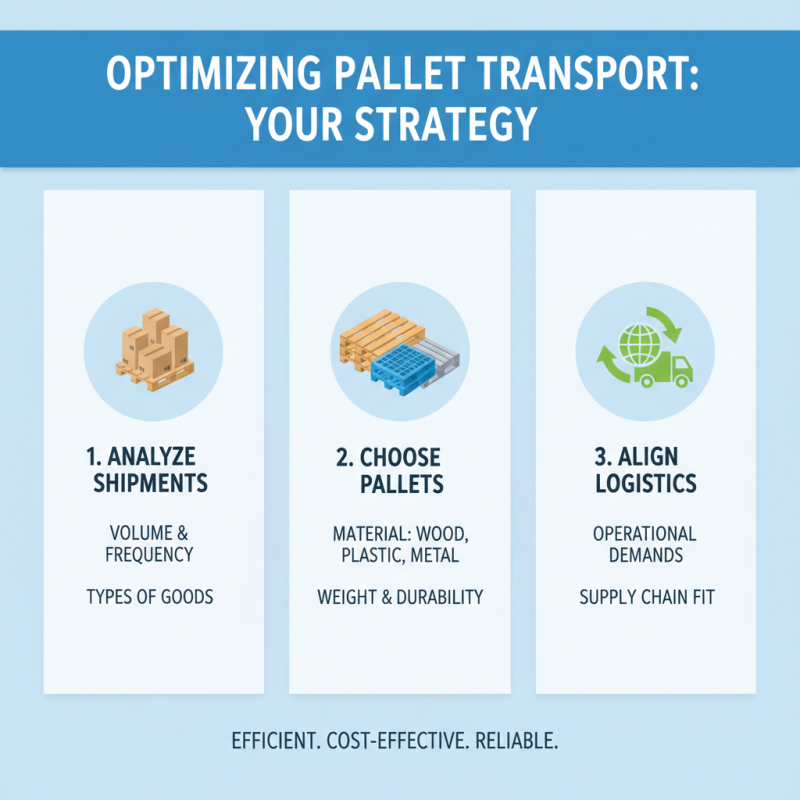
Understanding your business needs for pallet transport solutions is a crucial first step in selecting the most effective logistics strategies. Begin by analyzing the volume and frequency of your shipments. Consider what types of goods you are transporting, as this will influence the type of pallets and transport methods required. Different materials, such as wood, plastic, or metal, have varying weight capacities and durability that can impact your shipping efficiency and cost. Understanding your operational demands allows you to align your pallet transport choice with your overall supply chain requirements.
Additionally, the geographical scope of your business operations plays a significant role in determining the best pallet transport solutions. Evaluate whether your deliveries are local, regional, or international, as this will affect transit times and potential costs associated with different transportation options. Also, consider the infrastructure of your shipping partners and how it correlates with your own warehousing capabilities. By thoroughly assessing these factors, you can make informed decisions that not only enhance efficiency but also contribute to the seamless movement of goods through your supply chain.
Types of Pallet Transport Solutions Available in the Market
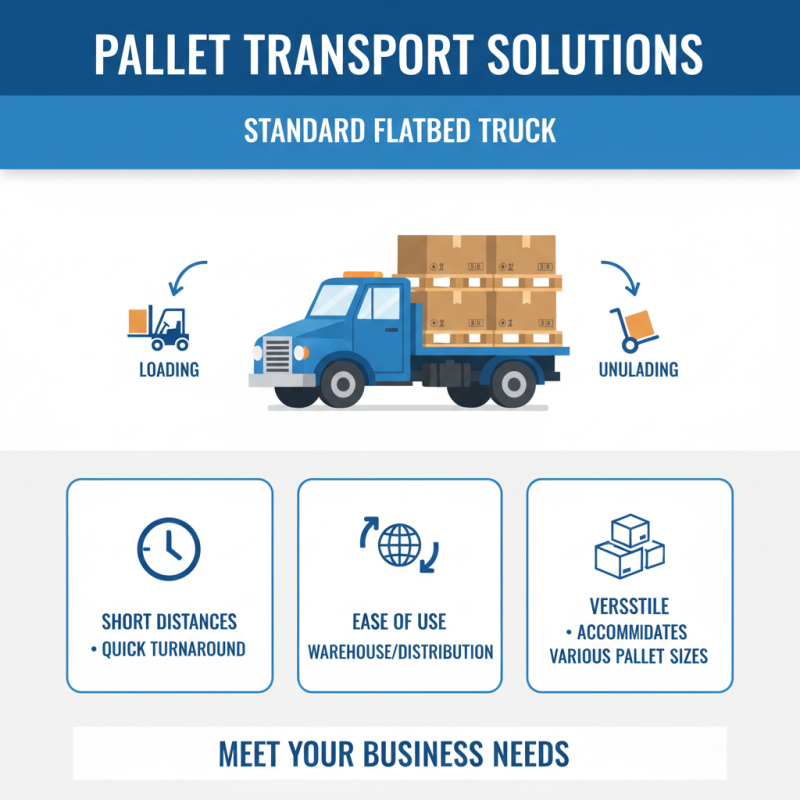
When selecting pallet transport solutions, understanding the various types available in the market is essential to meet specific business needs. One of the most common options is the standard flatbed truck, which is widely used for transporting goods on pallets over short distances. This method is favored for its ease of loading and unloading, allowing for quick turnaround times in warehouse or distribution environments. Additionally, flatbed trucks can accommodate a variety of pallet sizes, making them versatile for different cargo requirements.
Another popular option is the use of specialized pallet jacks and forklifts, which facilitate the handling of pallets within warehouses and shipping facilities. These tools enable efficient movement of pallets, especially in congested areas, and are crucial for businesses handling large volumes of goods. For companies requiring long-distance transport, container shipping serves as an effective solution, where pallets can be loaded into containers for safety and security during transit. Each solution offers unique advantages, and the choice largely depends on factors such as the nature of the goods, transportation distance, and logistical capabilities.
Evaluating the Cost-Effectiveness of Pallet Transport Options
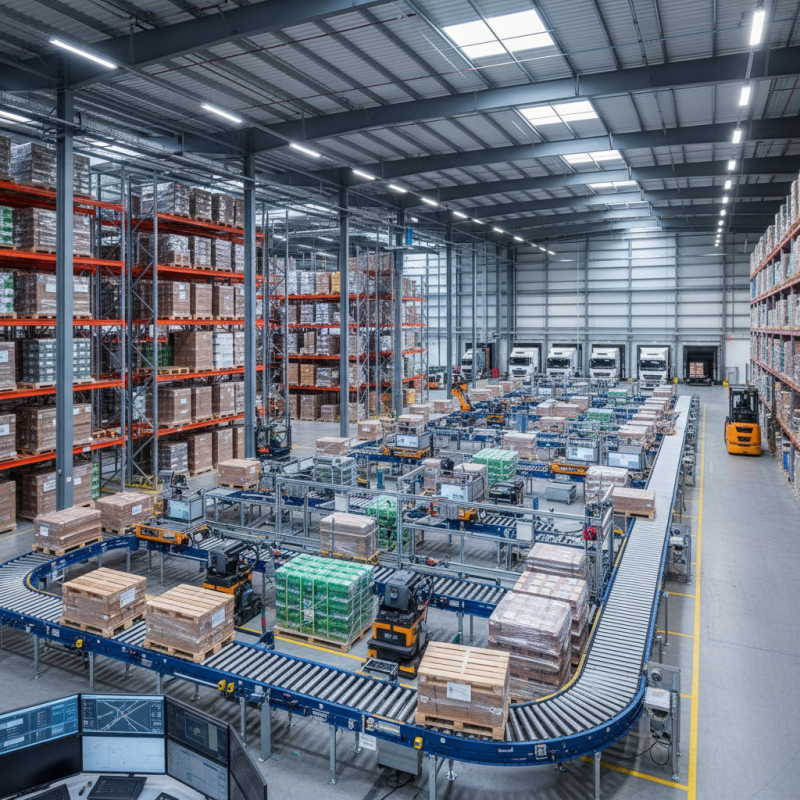
When evaluating the cost-effectiveness of pallet transport options, it's essential to consider several factors that can influence overall expenses. One key aspect is the choice between manual and automated pallet handling systems. While automated solutions may come with higher upfront costs, they can lead to significant savings in labor and time over the long term. Analyze your operational efficiency and volume to determine whether investing in automation aligns with your budget and business goals.
Tips: Always conduct a thorough cost analysis by factoring in maintenance, training, and potential downtime when comparing different pallet transport solutions. This comprehensive approach ensures you are aware of all associated costs, not just the initial expenditure.
Additionally, consider the capacity and flexibility of your chosen transport option. Some systems may only cater to specific pallet sizes or weights, which could limit your operations and create additional expenses if you need to adapt or purchase new equipment. Assess your current and future needs to select a transport solution that provides long-term value while minimizing extra costs.
Tips: Engage with suppliers or logistics experts to gather insights on the most effective pallet transport strategies that align with your operational requirements. Their experience can help you avoid common pitfalls and make an informed decision that enhances your bottom line.
Assessing the Efficiency and Reliability of Transport Providers
When selecting pallet transport solutions, assessing the efficiency and reliability of transport providers is crucial for optimizing your logistics operations. According to the Transportation Research Board, approximately 20% of freight delays are due to transportation inefficiencies, which can lead to significant economic losses. A reliable transport provider not only ensures timely deliveries but also enhances customer satisfaction by minimizing disruptions. By examining key performance indicators, such as on-time delivery rates and shipment tracking capabilities, businesses can make informed decisions that align with their operational goals.
Tips: When researching potential transport providers, request detailed performance metrics and case studies that demonstrate their reliability. Additionally, consider their technological capabilities, such as real-time tracking and automated updates, which can improve communication and transparency throughout the shipping process.
Another vital aspect to explore is the transport provider's network and capacity. According to a report by the Council of Supply Chain Management Professionals, nearly 75% of logistics professionals cite the availability of carrier capacity as a pressing concern. A provider with a robust network can reduce lead times and enhance flexibility, allowing businesses to respond swiftly to market demands. Evaluating a provider's equipment maintenance practices and their history of claims and service disruptions can further ensure that you choose a partner committed to operational excellence.
Tips: Strongly consider engaging in pilot programs or short-term contracts with potential providers to gauge their performance before committing to long-term partnerships. This approach allows you to assess their reliability in real-world conditions, ensuring aligned expectations for your business needs.
Transport Solutions Efficiency Comparison
This chart displays the delivery efficiency percentages of various transport providers, helping businesses assess which transport solution aligns best with their needs.
Key Features to Consider When Selecting a Pallet Transport Solution
When selecting a pallet transport solution for your business needs, it's essential to focus on key features that can significantly impact efficiency and cost-effectiveness. One critical aspect to consider is the weight capacity of the transport system. Ensure that it can handle the maximum weight of your typical loads without risking damage or safety issues. Additionally, inspect the material quality of the pallets and transport equipment to gauge their durability; sturdy materials typically lead to longer-lasting solutions that can withstand rigorous use and environmental factors.
Another vital feature to take into account is the ease of handling and maneuverability. Transport solutions should facilitate smooth loading and unloading, which can enhance operational efficiency. Look for designs that allow for easy access to goods while considering the height and layout of your workspace.
Tips: Always test the transport system in your specific operational environment to see how it performs under real conditions. Additionally, keep an eye on the logistical support the supplier offers; excellent customer service can mitigate future challenges. Engaging with staff about their experiences with different solutions may also provide valuable insights to help inform your decision.