How to Choose the Right Bulk Transport Solution for Your Business?
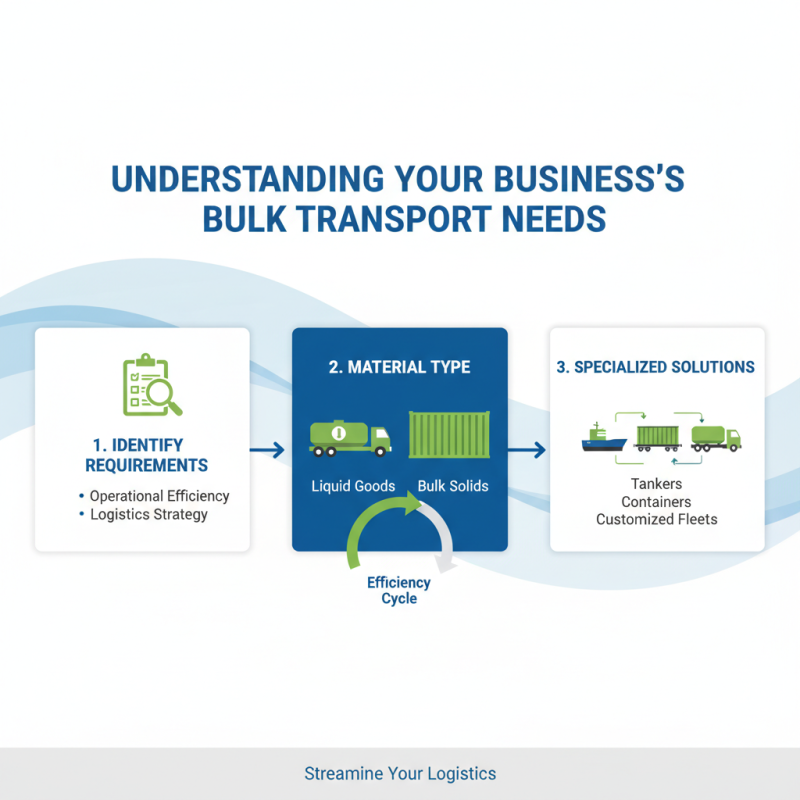
In today's competitive landscape, choosing the right bulk transport solution is crucial for businesses aiming to optimize costs and efficiency. The bulk transport industry has seen drastic changes. According to a recent report by IBISWorld, the market for bulk transport services is expected to grow at an annual rate of 4.5% over the next five years. Industry leaders emphasize the importance of making an informed choice. Renowned bulk transport expert Dr. Emily Carter states, "Selecting the right bulk transport option can significantly impact operational success."
Businesses often grapple with various options, from liquid bulk to dry bulk systems. The choice depends on specific needs such as volume, type of materials, and distance. Understanding these factors can prevent costly mistakes. There is no one-size-fits-all solution. It is essential to evaluate reliability and safety. As companies prioritize cost-effective strategies, they must also remain vigilant about potential risks and inefficiencies, reflecting on past decisions to enhance future outcomes. Making an optimal choice in bulk transport is a complex yet rewarding pursuit.
Understanding Your Business's Bulk Transport Needs
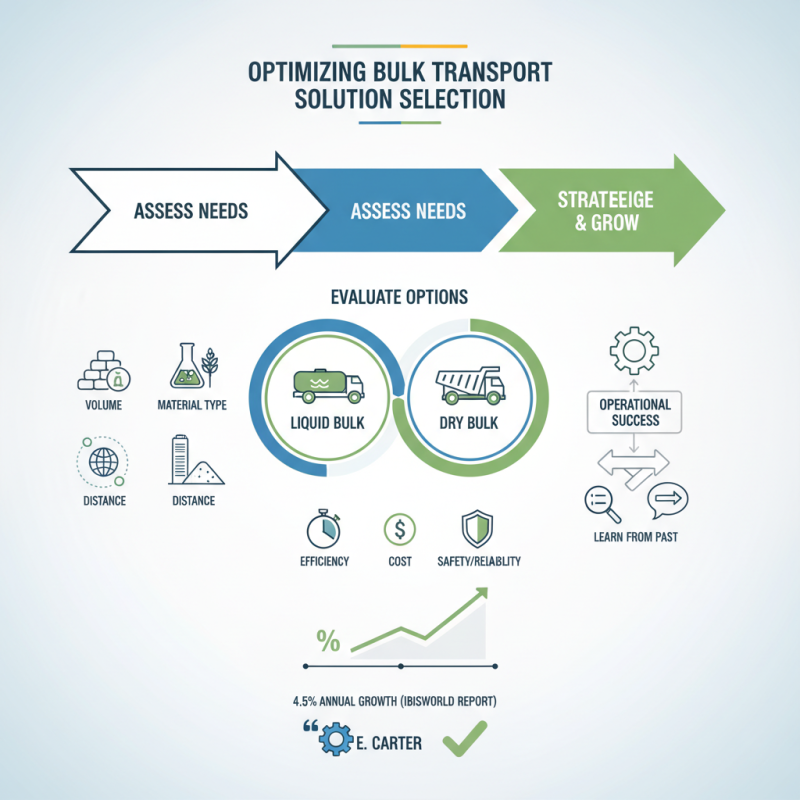
Understanding your business's bulk transport needs is crucial for operational efficiency. Identifying specific requirements can significantly affect your logistics strategy. Consider the type of materials you need to transport. For example, liquid goods may require specialized tankers, whereas bulk solids can be shipped in containers.
Tips: Assess the nature of your products. Do they have temperature sensitivity? Are they hazardous? Each factor influences your transport choice. Regularly review your inventory patterns. Fluctuations in demand can change your needs over time.
Also, think about the distance and frequency of transport. Longer distances may benefit from rail rather than truck transport. However, more frequent, short hauls might justify the cost of last-mile delivery services.
Tips: Evaluate your transport routes. Are they efficient? Are there delays? Understanding these insights can lead to better decisions. Reflection is necessary. Often, what worked before may not be suitable now. Keep learning and adapting.
Evaluating Different Bulk Transport Methods
Choosing the right bulk transport method is crucial for businesses. Different methods impact efficiency, cost, and delivery times. Companies must assess their specific needs and product types before deciding.
Rail transport is one option. It is cost-effective for long distances but may lack flexibility in routes. Trucks offer door-to-door service, which is convenient but can be more expensive. Each method has its advantages and challenges. It’s essential to weigh these factors carefully.
Some companies might find themselves overwhelmed by choices. They may choose based solely on cost, forgetting about the timeline and reliability. Or they may be swayed by convenience without considering long-term implications. Identifying the most important criteria is a crucial step in this evaluation process.
How to Choose the Right Bulk Transport Solution for Your Business? - Evaluating Different Bulk Transport Methods
| Transport Method |
Cost per Ton |
Capacity (Tons) |
Speed (Days) |
Ideal Use Case |
| Truck Transport |
$150 |
20 |
2-5 |
Local and short-distance deliveries |
| Rail Transport |
$100 |
100 |
5-10 |
Long-distance bulk shipping |
| Shipping by Sea |
$80 |
500 |
10-30 |
International bulk transport |
| Air Freight |
$800 |
5 |
1-2 |
Urgent deliveries |
| Pipeline |
$50 |
Unlimited (constant flow) |
N/A |
Transporting liquids and gases |
Factors to Consider When Choosing a Transport Solution
Choosing the right bulk transport solution is crucial for your business. Consider factors like the type of goods being transported. Different products have unique requirements. For instance, perishables need temperature-controlled options. Weight and volume also matter. Heavier loads may require specific vehicles or equipment. Find the balance between cost efficiency and reliability in transportation.
Evaluate the transport providers' experience and expertise. Look for companies with a solid track record in bulk transport. Communication is key in logistics. Ensure the provider offers real-time updates and responsive support. A trustworthy partner can make a significant difference in your operations. Reflect on your current processes too. Are there inefficiencies you can address?
Regulatory compliance is another critical factor. Ensure that the transport solution meets all legal requirements. This can prevent costly delays. Reliability should never be compromised. A failed transport can disrupt your supply chain. Consider your long-term needs as well. The right choice today may not be adequate tomorrow. Be prepared to adapt as your business grows.
Cost Analysis of Bulk Transport Options
When evaluating bulk transport options, cost analysis is crucial. Each method, whether it be road, rail, or maritime, presents unique financial implications. For instance, shipping by truck often incurs high fuel and labor costs. However, it provides flexibility in delivery schedules and routes. On the other hand, rail transport usually offers lower costs for heavy loads over long distances. Still, it may lead to longer transit times, which can impact inventory management.
Maritime transport presents an attractive alternative for international shipping. While the initial expenses for container shipping can seem high, economies of scale offer substantial savings for bulk shipments. But, port fees and logistics add complexity and unexpected costs. Businesses should carefully assess the frequency and reliability of service to avoid delays. Sometimes, a cheaper option may ultimately prove costly due to inefficiencies or hidden fees.
Additionally, choosing the right transport method often requires reflection on your business needs. Are your shipments time-sensitive? The right solution should balance cost and delivery speed. Reflect on past experiences to inform your decision. An overly rigid approach could overlook beneficial opportunities. Each transport method has its pros and cons that may not fit all scenarios perfectly.
Ensuring Compliance and Safety Standards in Transport Choices
When selecting a bulk transport solution, compliance and safety standards are critical. Every transport decision should reflect an understanding of current regulations. Different industries face unique challenges. Knowledge of applicable laws varies significantly across regions. Adapting to these rules is essential for avoiding penalties and ensuring safe operations.
Inspecting vehicles and equipment is a crucial step. Regular maintenance and checks prevent accidents. Drivers should be trained and certified. Their expertise influences safety outcomes. Recording transport processes helps track compliance. However, businesses often overlook this detail. This could lead to significant problems later.
Evaluating vendor reliability is vital. Seek partners with a proven track record in safety. This can mitigate risks associated with bulk transport. However, some companies may prioritize cost over compliance. This trade-off can lead to serious issues. Doubling down on compliance-focused choices establishes trust and credibility in your transport operations.