How to Choose the Best International Transportation Options?
Choosing the right International Transportation options can significantly impact business success. A recent report by the International Transport Forum shows that global freight volumes are expected to increase by 4% annually. Efficient transportation ensures timely deliveries and reduces costs. However, complexities arise from varying regulations and market conditions across countries.
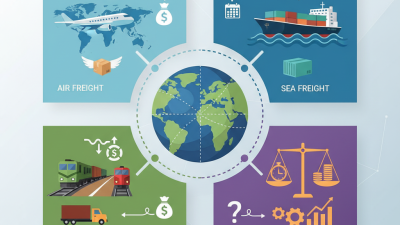
Research indicates that 65% of businesses face challenges in selecting appropriate transport modes. Air freight is fast but costly. In contrast, sea freight offers lower prices but slower delivery times. Many firms struggle with balancing speed and cost. Decision-makers must consider their unique needs when evaluating these options.
Moreover, reliable partnerships with logistics providers are crucial. According to the World Bank, optimizing supply chains can enhance efficiency by up to 30%. Businesses must assess transport reliability, ease of customs clearance, and track record of potential carriers. It's essential to reflect on past transportation experiences and adjust strategies accordingly. An informed choice in International Transportation can lead to competitive advantages and better customer satisfaction.

Factors to Consider When Choosing International Transportation Options
When choosing international transportation options, several key factors come into play. Cost is always a major consideration. However, don’t just look for the cheapest rate. Evaluate the value you receive in terms of speed and reliability. Some low-cost options may lead to delays or unexpected fees.
Another important factor is the type of goods you are transporting. Fragile items need more care during handling. Special transportation modes may be necessary to ensure safety. Always ask about the handling process to avoid damage. Different items may also have different regulations, so understanding these can keep your shipment compliant.
**Tips:** Research multiple carriers to get a full picture of options. Reach out to experts who can provide insights on best practices. Communication with the chosen service provider is essential. Don't hesitate to ask questions and clarify doubts. It’s also okay to revisit your choice if things don't go as planned. Adjust your strategy based on past experiences.
Finally, consider timing. Some transportation methods take longer. Ensure your delivery schedule aligns with your supply chain needs. Delays can lead to significant issues for your business. Overall, be flexible and open to making changes as situations evolve. This approach can lead to better decisions over time.
International Transportation Options Comparison
This chart compares the cost per ton for various international transportation options. Air freight is the most expensive, while sea freight is the most cost-effective option for bulk shipments.
Different Types of International Transportation Methods Explained
When exploring international transportation options, it's crucial to understand the various methods available.
Airfreight, ocean freight, and ground transportation are the primary modes.
Each has its advantages and disadvantages. For instance, air cargo is the fastest, making it suitable for urgent deliveries.
However, it can be significantly more expensive than other options.
According to a report by the International Air Transport Association (IATA), air cargo accounts for approximately $6 trillion in global trade, showcasing its vital role in logistics.
Ocean freight is a more economical choice for bulk goods.
It can take longer—weeks compared to days for air.
The World Trade Organization (WTO) reports that about 90% of world trade occurs via sea routes, underlining the importance of maritime transport.
Ground transportation serves as a reliable link for inland deliveries.
While it may not be as swift as air, it covers areas where airfreight isn't feasible.
Tips:
- Consider the nature of your goods. Perishable items require air transport.
- In contrast, non-urgent bulk shipments fit well with ocean freight.
- Always evaluate the cost against delivery time; it's essential for budget and timeline management.
- Keep in mind that unexpected delays can happen in all modes.
- Researching and planning effectively can mitigate risks in your logistics strategy.
Evaluating Cost-Effectiveness of International Shipping Choices
When evaluating the cost-effectiveness of international shipping, several factors come into play. Shipping costs fluctuate based on the distance, weight, and destination. According to the World Bank, average shipping costs for containers can range from
$1,000 to $3,000 per twenty-foot equivalent unit (TEU). This significant expense requires careful consideration of all available options.
Shipping by air is often faster but typically more expensive. The International Air Transport Association states that air freight can cost five to ten times more than sea freight. Although sea shipping takes longer, it remains a popular choice for its cost savings. In fact, reports indicate that around 90% of global trade volume relies on maritime transport. However, the risk of delays, especially during peak seasons, complicates decision-making.
Selecting the right transportation mode also involves reflective thinking. Some companies might prioritize speed over cost, while others may choose the opposite. Understanding the trade-offs can lead to different outcomes. A thorough analysis of shipping needs, alongside recent logistics studies, reveals that businesses often overlook hidden costs. These may include insurance, customs duties, and handling fees. Thus, a comprehensive evaluation of all costs is essential for making informed decisions.
Understanding Transit Times and Their Impact on Shipping Decisions
When considering international transportation, understanding transit times is crucial.
Transit time can significantly affect cost and customer satisfaction. A
2021 Freightos report
indicates that shipping delays can increase logistics costs by
30%. Additionally, a timely delivery enhances
customer loyalty and trust.
Evaluating transit times requires knowledge of various shipping methods.
Air freight is the fastest, generally taking
1-5 days, but is also the most expensive.
Ocean freight offers cost savings, averaging
10-30 days for delivery.
Those shipping lightweight goods may prefer air, even with higher costs.
Heavier items benefit from ocean freight,
balancing budget and delivery needs.
Tips: Measure your supply chain's responsiveness.
Analyze past shipping data to calculate typical transit times. It’s essential to monitor
fluctuations in shipping schedules. Keep in mind
that unexpected delays often arise from customs or weather.
Prioritize communication with logistics providers
to mitigate these risks.
Some imperfections in transit planning can lead to unforeseen challenges. For instance, a company
may underestimate customs clearance time, resulting in delays. Shipping during
peak seasons often complicates schedules.
Regular revisions of shipping strategies can help optimize performance. Take time to reflect
on past strategies to improve decision-making.
Assessing Reliability and Service Quality of Transport Providers
When selecting an international transportation provider, reliability is crucial. A transport company’s history can give insights into its dependability. Look for providers with a proven record. Reviews and testimonials from previous customers reveal much about service quality. Take note of common praises and complaints.
Service quality often encompasses various factors. Timeliness matters. A company that consistently delivers on time shows commitment. Moreover, customer service plays a vital role. Reach out to the provider with questions. Their response time indicates how much they value your business. Friendly, knowledgeable staff can enhance the overall experience.
Evaluating communication is also essential. Accurate tracking information reassures customers their goods are safe. Consider seeking out case studies or reports on companies’ performance. Although it can be challenging to find detailed comparisons, these insights help to make informed decisions. Be wary of companies that don’t provide transparency. This could signal potential issues with reliability or service quality.
How to Choose the Best International Transportation Options? - Assessing Reliability and Service Quality of Transport Providers
| Transport Mode |
Reliability Rating (1-5) |
Average Delivery Time (Days) |
Cost per Kg (USD) |
Service Quality Score (1-10) |
| Air Freight |
4.5 |
3-5 |
8.00 |
9 |
| Ocean Freight |
4.0 |
10-30 |
2.50 |
7 |
| Road Transport |
3.8 |
5-15 |
5.00 |
8 |
| Rail Freight |
4.2 |
5-20 |
3.80 |
8.5 |
| Courier Services |
4.7 |
1-3 |
10.00 |
9.5 |